
Table of Contents
ToggleHave you ever noticed how the dreaded mid-afternoon slump hits exactly when the glass doors of the conference room slide shut? It is not just the monotonous financial presentation putting the entire marketing team to sleep. The hidden culprit is often microscopic dust, trapped carbon dioxide, and volatile organic compounds floating invisibly in the indoor air. A targeted non-toxic office cleaning service can clear out this atmospheric smog faster than a triple shot of espresso. When business owners finally invest in a holistic office cleaning service for better air quality, the immediate result is a sharper, healthier, and far more energetic workforce. The environment you breathe directly dictates the energy you can output.
Imagine human lungs as high-performance air intake valves for a luxury sports car engine. If those vital filters become clogged with microscopic carpet fibers, stagnant mold spores, and harsh chemical residues from cheap floor wax, the entire engine begins to sputter and stall. To dive deeper into how hidden environmental toxins directly impact mental clarity, exploring our guide to holistic workplace wellness strategies offers incredible insight into the delicate body-mind connection. Furthermore, according to groundbreaking cognitive research highlighted by the Harvard Business Review, optimizing indoor air circulation and radically reducing surface pollutants can actually boost cognitive function and team productivity by up to fifty percent.
The Chemistry of the Cubicle
Most modern workspaces are essentially sealed atmospheric boxes. Synthetic nylon carpets, particleboard desks, and constant emissions from heavy-duty laser printers continuously off-gas a chemical soup that employees are forced to breathe for eight hours a day. When a standard nighttime maintenance crew comes in and aggressively sprays industrial bleach or synthetic fragrances on top of that existing mess, it is like pouring cheap syrup over a stale pancake. It just makes a sticky situation infinitely worse.
Upgrading your office cleaning service to a team that truly understands the biological impact of these toxins is the only way to break the cycle of chronic indoor pollution. It requires a shift from superficial neatness to cellular-level hygiene.
Actionable Advice for a Breathable Workspace
Fixing this atmospheric disaster requires an intentional, zero-compromise approach to environmental hygiene. Because DIY methods are entirely insufficient for large commercial spaces, the focus must be on upgrading the corporate infrastructure and holding vendors accountable.
- Demand True HEPA Filtration: Ensure that the hired maintenance team uses commercial-grade vacuums equipped strictly with certified HEPA filters. Standard vacuums merely inhale the large crumbs while violently blowing the most dangerous, microscopic dust particles right back into the breathing zone.
- Audit the Janitorial Supply Closet: Request a complete inventory of the liquids and sprays being applied to the keyboards, doorknobs, and breakroom counters. If the ingredient lists read like a hazardous materials warning, mandate an immediate switch to plant-based, biodegradable cleaning agents.
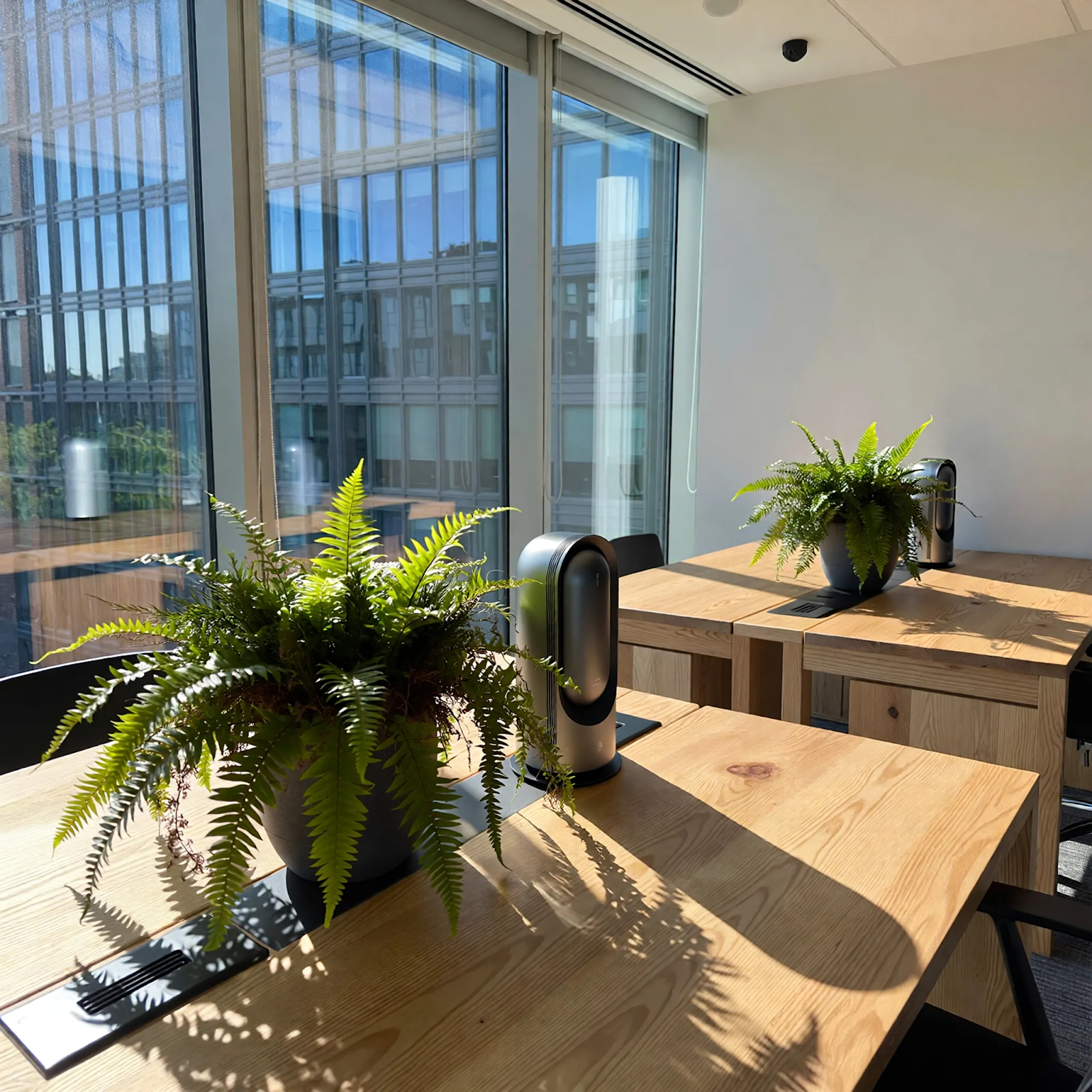
- Implement Green Wall Architecture: Encourage building management to install living plant walls. Certain plants act as exceptional biological air scrubbers, naturally absorbing excess carbon dioxide while simultaneously releasing fresh oxygen into the stagnant corporate air.
- Optimize Indoor Humidity: Extremely dry air keeps toxic dust suspended indefinitely. Integrating commercial humidifiers into the HVAC system adds enough moisture to weigh down particulate matter so it can actually be vacuumed up and removed from the facility.
The Biological Return on Investment
Businesses often measure corporate growth in terms of software upgrades or marketing budgets, but they completely ignore the biological fuel running the actual operation. Brains require massive amounts of clean oxygen to solve complex problems, mediate conflicts, and generate innovative ideas. Depriving a highly paid team of pristine air is simply bad economics.
By prioritizing a health-conscious environment, a company actively reduces chronic respiratory issues, banishes the dreaded three o’clock brain fog, and slashes the rate of viral sick days. It transforms the physical building from a draining environment into a supportive health asset. When the air is pure, the mind is sharp, and the results will always speak for themselves.