
Contents
Quick Answer
Light-filtering roller shades soften incoming sunlight while preserving daytime privacy, making them ideal for living areas and home offices. In contrast, thermal blackout curtains block nearly all external light and enhance insulation, making them perfect for bedrooms or media rooms. Choosing between them depends on your need for glare control, sleep quality, and energy efficiency. Explore glare reduction capabilities to select privacy window coverings that align with both function and design.
Introduction
Sunlight shapes how we experience our indoor spaces – brightening moods, supporting focus, and connecting us to the outdoors. Yet too much direct light can cause glare on screens, fade furniture, or disrupt sleep. That’s where smart window treatment choices come into play. Light-filtering roller shades offer a balanced solution, diffusing natural brightness without sacrificing views or privacy.
And just like indoor lighting control matters, outdoor lighting can also enhance comfort and visibility around your home—especially when using retaining wall lights to highlight landscaping features and improve nighttime safety along steps and garden edges.
For rooms where darkness and temperature control are priorities, options like thermal blackout curtains or specialized Calgary blinds deliver enhanced performance. Homeowners weighing these choices often benefit from expert guidance to match materials and functionality to their specific needs.
Light-Filtering vs. Blackout: Key Differences Explained
Understanding the functional gap between light-filtering and blackout window treatments is essential for making an informed choice. While both offer privacy and UV protection, their performance in light management, insulation, and ideal use cases varies significantly.
What Are Light-Filtering Window Treatments?
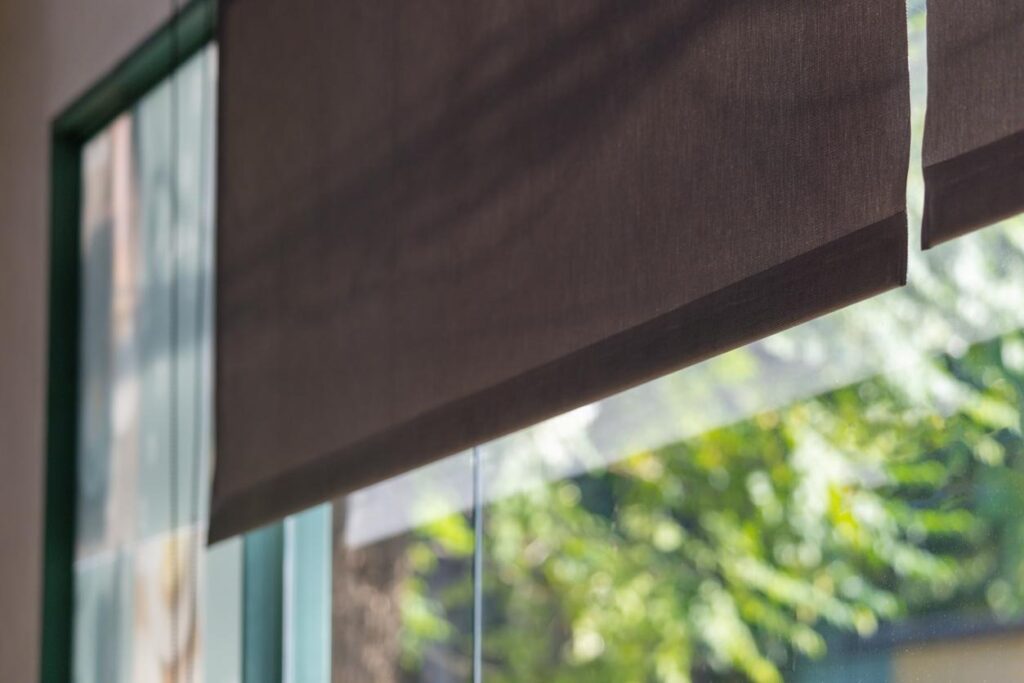
Options such as light-filtering roller shades are designed to soften and diffuse daylight rather than block it. Made from semi-opaque fabrics or woven materials, they allow gentle illumination while obscuring direct views into the home during daytime hours.
These coverings are ideal for spaces where maintaining a bright, airy feel matters, like kitchens, dining areas, or home offices. They also help reduce screen glare without plunging the room into shadow.
What Makes Blackout Coverings So Effective?
In contrast, blackout treatments are engineered for near-total light elimination. Thermal blackout curtains, for example, often feature multiple layers – including a dense backing or acrylic foam coating – that prevent light penetration and add thermal resistance. Choosing usually comes down to construction: look for models with side channels, opaque slats, or fabric linings that seal out light from every angle.
These are best suited for bedrooms, nurseries, or home theatres where darkness directly supports function or comfort.
Side-by-Side Comparison Table
| Feature | Light-Filtering | Blackout Coverings |
| Light Transmission | Partial (soft, diffused daylight) | Near-zero (complete or near-complete block) |
| Privacy (Daytime) | Good | Excellent |
| Privacy (Nighttime) | Limited – requires supplemental lighting control | Excellent |
| Energy Efficiency | Moderate | High (especially with thermal linings) |
| Best For | Living rooms, offices, kitchens | Bedrooms, media rooms, shift workers’ spaces |
| Glare Control | Effective for mild to moderate glare | Best for eliminating screen glare entirely |
| UV Protection | Partial | High |
This distinction isn’t about one being “better” than the other – it’s about matching performance to purpose. A living room bathed in soft morning light feels welcoming; a bedroom flooded with streetlight at 3 a.m. feels disruptive. Knowing what each type delivers lets you design window solutions that truly serve your daily rhythm.
Practical Applications by Room Type
The performance of light-filtering and blackout window treatments becomes clearest when evaluated through real-world use. Each room in a home has distinct lighting, privacy, and functional needs – and the right covering should respond accordingly. Below is a room-by-room guide to help match treatment type to purpose.
Living Rooms and Home Offices
These spaces benefit most from balanced daylight. Too much glare disrupts screen work; too little light makes the area feel closed off. Light-filtering roller shades provide consistent diffusion, maintaining brightness while reducing harsh reflections.
Key considerations for these areas include:
- Orientation (south- or west-facing windows need stronger glare control)
- Fabric opacity that allows outward visibility during the day
- UV-blocking properties to protect flooring and furniture
For home offices near street-level windows, layered solutions – such as light-filtering roller shades paired with sheer drapes – add flexibility without sacrificing style.
Bedrooms and Nurseries
Rest and recovery require darkness. Even small amounts of external light can interfere with melatonin production and disrupt sleep cycles. Thermal blackout curtains or fully opaque sleep blinds deliver the necessary light blockage, with added benefits like noise dampening and temperature regulation.
When evaluating how to choose blackout blinds for these sensitive spaces, prioritize:
- Full window coverage with minimal light gaps
- Cordless or motorized operation for safety and quiet use
- Fabrics with thermal linings for year-round comfort
In nurseries, soft-close mechanisms and hypoallergenic materials further support a calm, safe environment.
Media Rooms and Multi-Use Spaces
In rooms designed for screen viewing or evening relaxation, controlling ambient light is essential. Glare reduction blinds with blackout capabilities eliminate reflections and enhance contrast on TVs or projectors.
For bonus rooms or guest areas that serve multiple functions, consider dual systems:
- Top-down/bottom-up shades for partial coverage during the day
- Layered treatments (e.g., blackout roller + sheer curtain) for mode switching
- Motorized options for seamless transitions between lighting states
Privacy window coverings in these zones should offer both daytime discretion and nighttime visual security – especially in urban or close-quarter settings.
By tailoring your choice to each room’s role, you create a home where natural light enhances comfort rather than compromises it.
Smart Selection Tips for Long-Term Satisfaction
Choosing between light-filtering and blackout window treatments is not just a design decision – it’s an investment in daily comfort, energy efficiency, and interior protection. To get the most value, consider these practical, experience-backed tips that go beyond basic style preferences.
Match Function to Lifestyle Needs
Start with how you actually use each space. A shift worker needs near-total darkness during daytime hours, making thermal blackout curtains or tightly sealed sleep blinds essential. Conversely, someone who enjoys morning coffee by a sunlit window may prefer light-filtering roller shades that brighten the room without harsh glare.
Prioritize Quality and Compatibility
Durable materials, smooth operation, and reliable hardware make a significant difference over time. Look for products with:
- Fade-resistant fabrics that maintain colour and texture
- Cordless or motorized options for safety and ease of use
- Compatibility with smart home systems for automated scheduling
High-performing glare reduction blinds often include specialized weaves or reflective backings that enhance usability without compromising views.
When evaluating how to choose blackout blinds, check for features like side channels, interlocking slats, or triple-pass fabric coatings – details that prevent light leakage around edges.
Think Beyond Light: Privacy, UV, and Energy
Effective window coverings do more than manage brightness. They also contribute to:
- Year-round thermal regulation (reducing heating and cooling loads)
- UV protection for flooring, art, and furniture
- Day-and-night privacy, especially in ground-floor or urban settings
Privacy window coverings that layer function – such as cellular shades with blackout liners or dual roller systems – offer versatility without visual clutter.
Whether you value soft daylight, deep sleep, screen clarity, or interior preservation, aligning your window treatments with real needs ensures lasting satisfaction – long after installation day.
Final Considerations and Smart Selection Tips
Selecting the ideal window treatment ultimately comes down to aligning performance with personal priorities. Whether you lean toward light-filtering roller shades for their airy elegance or thermal blackout curtains for their functional rigour, a few final considerations can help refine your decision.
Finally, remember that privacy window coverings aren’t one-size-fits-all. A home benefits most when each room’s treatment reflects its unique role. By thoughtfully matching function to form – whether through glare reduction blinds for your workspace or solutions for restful sleep – you create a living environment that’s not only visually cohesive but genuinely supportive of how you live.