Table of Contents
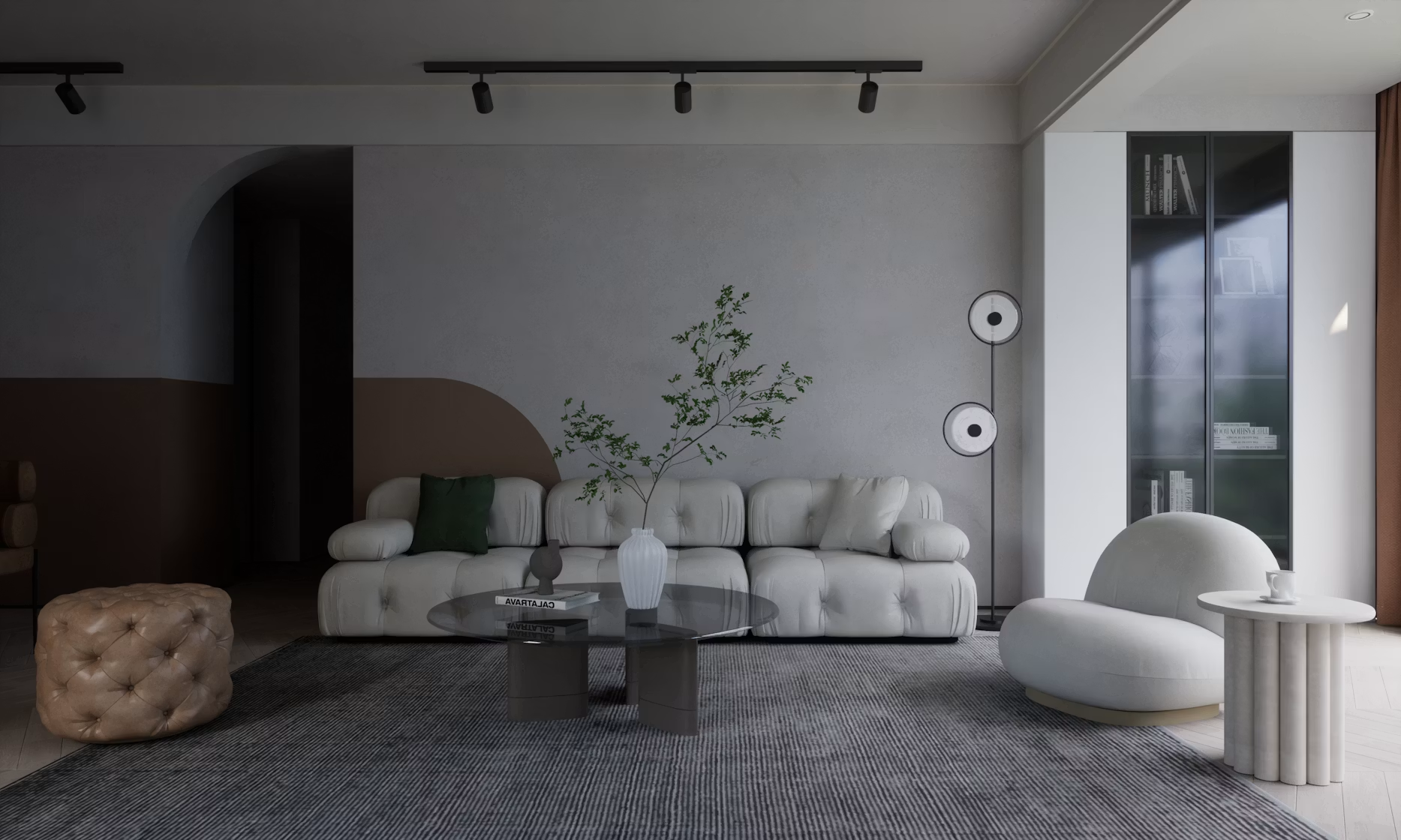
ToggleMinimalist interiors remain popular because freedom from clutter feels refreshing, yet many rooms designed around strict reduction end up shy on personality. Empty shelving, echoing corners, and a uniform white palette may impress in a photograph but rarely invite relaxation after a long day.
Surprisingly, hospitality venues and even digital arenas that rely on rapid live betting sessions hint at a solution. Both environments use pared-back layouts to speed decision making while layering subtle sensory cues—texture, accent light, and colour temperature—to maintain excitement and comfort. The same balance between restraint and richness can guide a storage plan that feels human rather than museum-like.
Contents
Minimalist Storage Begins With Intentional Editing
A minimalist room succeeds only when every remaining item answers a clear question: does this belong because it solves a practical need, sparks positive emotion, or supplies visual rhythm? Editing becomes easier once possessions are sorted by use frequency, emotional value, and maintenance effort. Seasonal pieces migrate to deep drawers, memorabilia rests inside archival boxes, and daily essentials claim front-row access on open shelves.
Design Strategies That Add Warmth Without Clutter
Deliberate details such as these shift focus toward comfort even when surfaces remain mostly clear.
Closed Storage Calms the Eye; Open Storage Tells the Story
Cupboards hide necessary but visually noisy objects—cables, paperwork, and cleaning products—so the gaze falls on curated displays instead of plastic packaging. Meanwhile, a limited number of open shelves frame books with textured spines, pottery in matte glazes, or heirloom cameras. Rhythm matters more than symmetry; alternating negative space between grouped objects grants breathing room and highlights each piece.
Sliding-door wardrobes and flush-mount wall cabinets further support calm by erasing handle clutter. Touch-latch hardware keeps profiles uninterrupted, allowing grain, colour, or surface relief to supply quiet character instead of ornamental pulls.
Temperature and Acoustics Transform Perception
Minimalist surfaces often amplify sound. Felt-lined drawer bottoms, cork pads beneath boxes, and wool rugs under foot muffle echo, softening overall mood. Similarly, warm-toned wood and amber-tinted LED bulbs shift colour temperature away from surgical white toward candlelight comfort, reducing the risk that sparse shelving reads as sterile.
Personal Layers Encourage Connection
A space stripped to essentials still benefits from narrative. Travel stones in a shadow-box, hand-written recipe cards displayed behind glass, or a single framed photograph can stand in for an entire album when positioned intentionally. Rotation keeps freshness; swapping small collections seasonally prevents display fatigue without adding more storage furniture.
Smart Styling Ideas That Personalise Without Clutter
Placing such touches between broader stretches of negative space lets personality emerge without sabotaging the minimalist promise.
Flexibility Keeps Minimalism Alive
Life rarely stays static, so storage must adapt without forcing fresh furniture purchases. Adjustable shelf pins, modular cube units, and stackable boxes future-proof the layout. Transparent labels on hidden containers accelerate retrieval, preventing the frustration that sometimes fuels backsliding into clutter.
Maintenance also proves simpler when each category owns a clearly defined address. Ten-minute resets at day’s end—returning remote controls to a drawer organiser, slipping sneakers into a low bench cubby—replace weekend-long tidying marathons and preserve mental clarity.
Conclusion
Minimalist storage excels when guided by warmth, adaptability, and storytelling rather than blanket reduction. Thoughtful material mixes, layered light, controlled acoustics, and a handful of curated accents transform bare cabinetry into an inviting backdrop for daily life. By borrowing the efficiency principles behind fast-paced design arenas and pairing them with human-scale sensory details, a room sheds excess without sacrificing soul. The result proves that minimalism can feel as comforting as it is organised—never empty, never cold, always ready to welcome the next chapter of living.