

Real assets might sound like something only Wall Street professionals talk about, but they play a major role in the everyday wealth of regular homeowners.
If you own a house or are thinking about buying one, you’re already involved in the world of real assets, whether you realize it or not.
Understanding how they work can help you make smarter financial decisions, protect your savings, and even spot opportunities during uncertain economic times.
Contents
What Are Real Assets?
Real assets are physical, tangible things with intrinsic value. Unlike stocks or digital investments that exist only on paper or screens, real assets can be touched, lived in, or used. According to research by by CAIA, real assets commonly include real estate, infrastructure, natural resources, and precious metals.
These assets tend to hold value over long periods, especially during inflation, because they’re tied to something the world always needs, like housing or raw materials.
Key Characteristics of Real Assets
Real assets usually share a few traits:
- They have physical form
- They tend to appreciate over time
- They often act as natural inflation hedges
Homeowners benefit from all three without necessarily trying. Your house is likely the biggest real asset you’ll ever own, and it behaves differently from financial assets like stocks or bonds.
Why Homeowners Should Care About Real Assets
Real assets often become more valuable when the broader economy goes through turbulence. For example, rising inflation usually increases construction costs, which pushes property values higher. Market reports like those from Canadian Real Estate Magazine show that real estate historically adjusts upward when inflation spikes.
This makes real assets especially important for homeowners looking to protect their wealth, especially those considering a house for sale in Algarve Portugal as a long-term tangible investment.. Even if you’re not actively investing, understanding how your home fits into the bigger picture can help you plan better for the long run.
Real Assets as Inflation Protection
In periods when prices surge across the board, everyday purchases become more expensive, and money stored in a bank account loses purchasing power. But real assets tend to move in the other direction. Homes, land, and even commodities often rise in value because they have utility, scarcity, and demand.
Market commentary from Sun Life Global Investments highlights that real assets can help portfolios maintain stability when inflation chips away at savings.
Understanding this dynamic is useful if you’re thinking about home improvements, rental opportunities, or refinancing. You’re effectively managing a real asset with built in protection mechanisms during inflationary times.
Diversifying Wealth Beyond Your Home
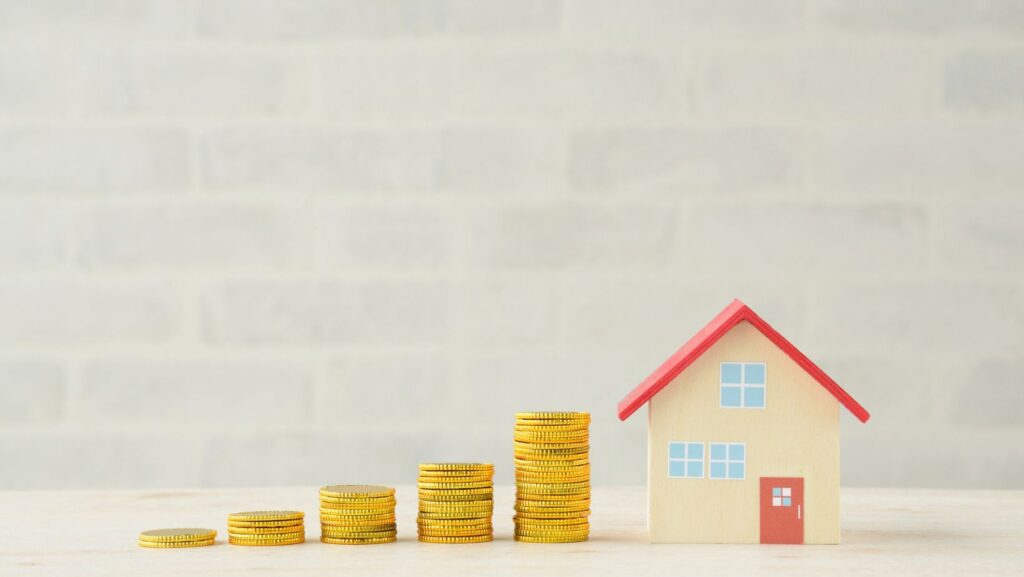
Even though a home is a cornerstone real asset, homeowners often diversify into other types of hard assets, too, including property options such as Algarve apartments in established coastal markets.. For example, precious metals can provide a cushion when markets get shaky. Western investors have increased demand for gold recently, as reported by Reuters, showing a broader trend of people turning to tangible value stores during uncertainty.
Some homeowners choose to open a Silver IRA which offers another hedge by including precious metals in retirement savings. Exploring these metals can complement the natural inflation protection built into your home.
How Real Assets Strengthen Your Financial Future
You don’t need to be a finance expert to take advantage of real assets. Homeowners already have a head start, but there are ways to use this knowledge to build a stronger financial foundation.
Tracking Market Movements
Real estate doesn’t move in isolation. Consumer confidence, interest rates, and global events can influence the value of your home. When institutions shift toward real assets, it’s often a sign of broader economic adjustments that homeowners should monitor.
Improving and Maximizing Your Real Assets
Your home can grow in value through smart improvements or strategic timing. Simple changes like upgrading fixtures, improving landscaping, or optimizing energy efficiency can strengthen its long term worth. Even moderate improvements can position your property favorably if inflation continues pushing construction and labor costs upward.
Using Real Assets for Stability
When financial markets become volatile, real assets often become safe harbors. Homeowners may feel anxious during unstable times, but owning a real asset means you’re naturally positioned to ride out uncertainty. Physical assets don’t vanish with a bad earnings report or a sudden dip in market sentiment.
What This Means for Your Long Term Wealth
Understanding real assets helps homeowners make informed choices. Whether you’re evaluating refinancing options, exploring rental income, or considering additional inflation hedges, the concept of real assets plays a crucial role.
Housing markets in countries like Australia have shown that property centric cultures can dramatically increase household wealth. Research covered by The Australian reported how a national passion for property drove major growth in wealth, demonstrating the long term financial impact of real assets.
The more aware you are of how your home fits into this landscape, the better decisions you can make. This doesn’t mean constantly tracking markets, but being mindful of how inflation, interest rates, and tangible investments influence your financial future.
Final Thoughts
Real assets give homeowners a built in advantage, especially during uncertain economic cycles. By understanding how these assets behave, you can use your home not just as a place to live but as a strategic piece of your overall financial picture. Whether it’s watching inflation trends, making thoughtful home upgrades, or exploring additional tangible hedges like precious metals, your real assets can help protect and grow your long term wealth.