

Hiring a cold room can be a game-changer for many businesses—from caterers and event planners to florists, retailers, and restaurants. But once it’s delivered to your site, the big question is: where should you actually put it?
Choosing the right spot isn’t just about where it fits. The placement of your cold room can affect how well your team works, how much energy you use, and how long your goods stay in top condition. Let’s go through key layout tips to help you position your hired cold room for maximum efficiency and minimal hassle.
1. Understand Your Cold Room Type
Not all cold rooms are built the same, and where you place yours can depend heavily on the type you’ve hired. A walk-in cold room might require more space and clearance than a modular or portable unit, especially if it needs regular staff access or shelving inside.
If you’re hiring a portable cold room, you might have more flexibility with outdoor placement, as they’re often built to withstand weather. But modular indoor units can be ideal for tightly controlled environments where security and temperature stability are essential. Also, think about whether this hire is temporary for an event or part of a longer-term business solution—both situations will influence your positioning choices. Click the link for help deciding between cold storage types.
2. Assess Your Business Layout
Before you even consider placement, take a step back and evaluate your existing space. Look at areas that are underused, as well as where your team works throughout the day. High-traffic areas, such as kitchens, delivery zones, or prep spaces, might benefit from a nearby cold room to reduce movement and time spent collecting items.
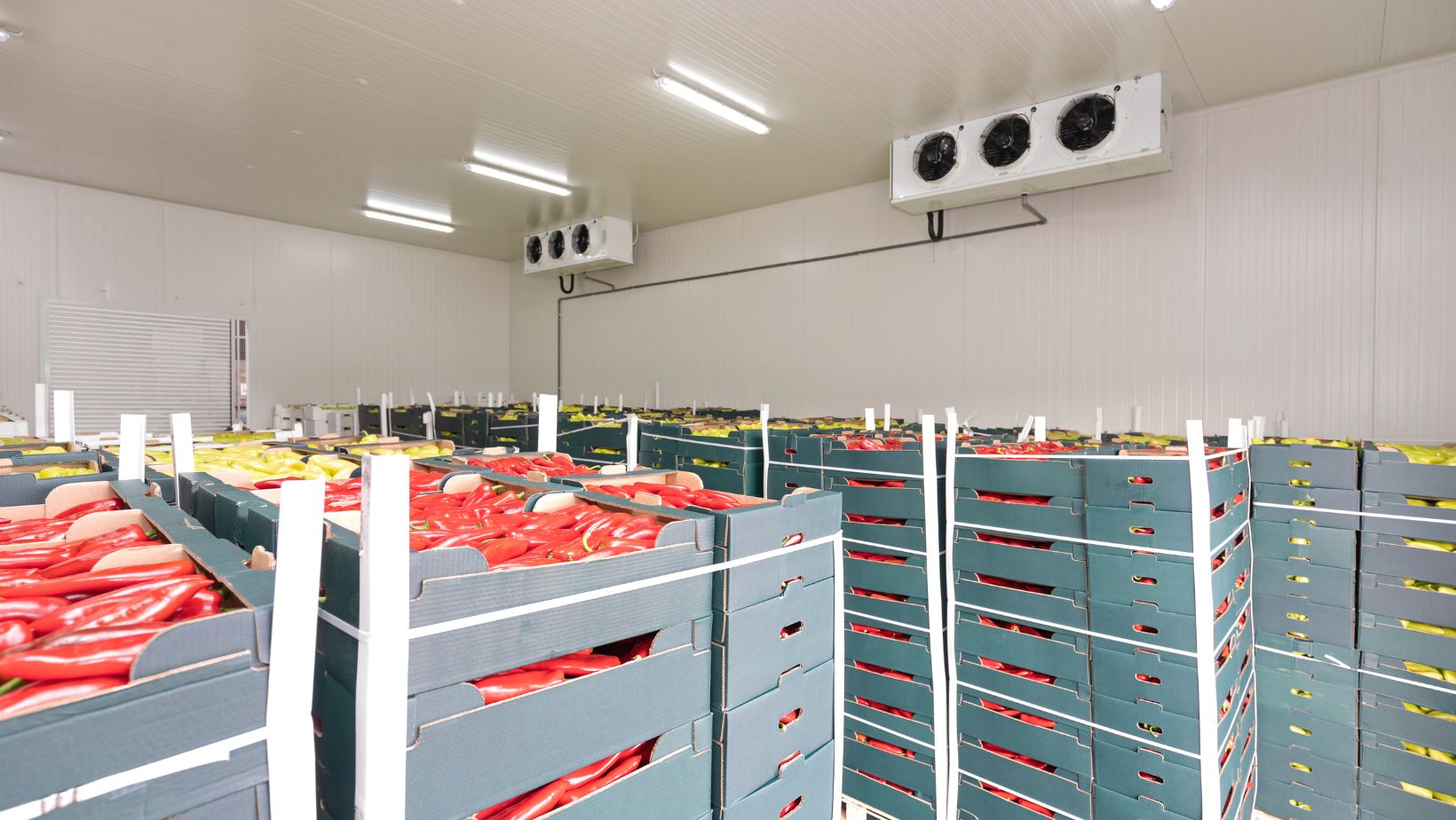
However, don’t place the unit somewhere that disrupts your team’s flow or blocks key operational zones. Also, ensure it’s positioned near the areas where cold storage is needed most—this saves time and keeps your operations smooth and efficient.
3. Prioritise Accessibility
Accessibility is key. Think about how your team will get in and out of the cold room, especially during busy periods. Make sure it’s easy to open, well-lit, and that there’s plenty of clearance for trolleys or stock.
If your business has peak delivery times, you’ll want the cold room as close as possible to delivery access points to streamline loading and unloading. And if you operate into the evenings, consider installing lighting outside or nearby to ensure staff can access the unit safely at all hours.
4. Think About Temperature Consistency
Cold rooms are designed to keep a stable temperature, but poor placement can undermine their performance. If your unit is outdoors, avoid positioning it in direct sunlight or next to heat-emitting equipment like generators or ovens. This forces the cold room to work harder, which can wear out the system and hike up your electricity bill.
You can also use shades or screens to reduce heat exposure. For indoor placements, keep it away from radiators or any area that heats up during the day. Investing in a temperature monitoring device can help you stay on top of conditions inside the unit, especially if you’re storing perishable goods.
5. Factor in Noise and Vibration
Some cold rooms, particularly larger or more industrial ones, can generate noise and slight vibrations while running. This might not be a problem in a warehouse, but it could cause disruptions if your business has customer-facing areas, like a shop floor or dining space.

To avoid unnecessary disturbances, place the cold room in a low-traffic back area or consider using vibration pads and a solid base to absorb excess movement. This will not only reduce noise but also prolong the life of the unit.
Conclusion
Hiring a cold room is a smart move for many businesses—but where you place it can make all the difference. By thinking through your layout, accessibility, energy use, and compliance needs, you can position your unit for smooth day-to-day operations and long-term success.
Need help choosing the right cold room or figuring out where to put it? Don’t hesitate to consult your hire company—they’ll often offer a site visit or layout recommendations to help you get the most out of your setup.