
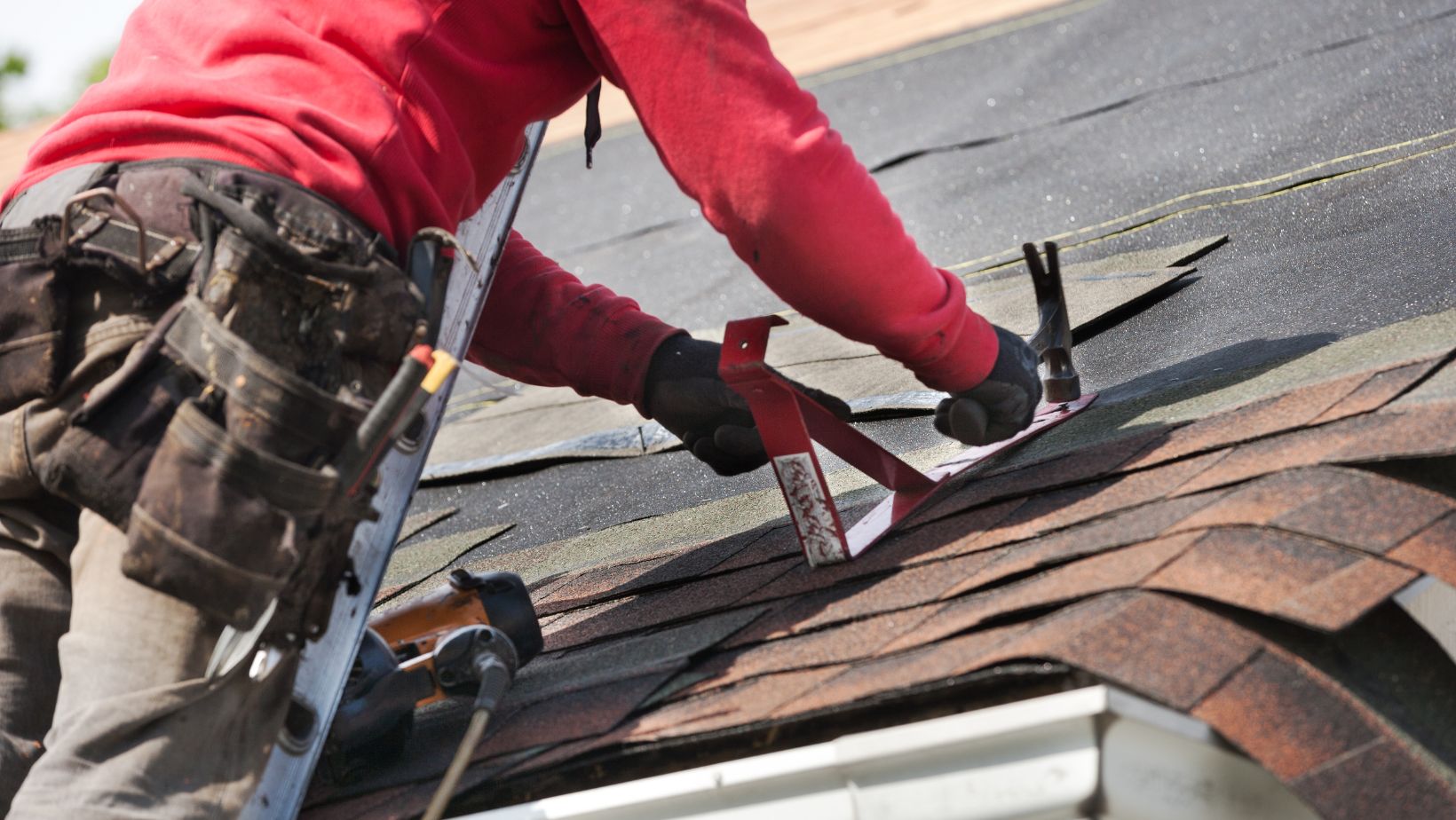
When it comes to roofing, one size does not fit all. A material that performs well in one region may struggle to withstand the conditions in another. This variation is mainly due to the impact of climate, weather patterns, and environmental stressors that differ across the country. Whether blistering heat, freezing snow, high winds, or heavy rainfall, each environment presents unique challenges to a roofing system. Homeowners rely on contractors for installation and guidance on what materials will hold up in their particular location. We will explore why certain roofing materials are recommended in specific regions and how local conditions shape those decisions.
Reasons why certain roofing materials are recommended
-
How Climate Dictates Roofing Material Performance
The climate of a region plays a significant role in determining which roofing materials are appropriate for long-term durability and efficiency. In hot and dry climates such as the southwestern United States, roofing materials must withstand high temperatures, intense sun exposure, and low humidity levels. Though widely used, asphalt shingles can degrade faster in extreme heat, so contractors in those areas often recommend clay tiles or concrete roofing. These materials have thermal mass properties that help regulate indoor temperatures by reducing heat absorption. They are also more resistant to warping or becoming brittle under prolonged sun exposure. In contrast, areas with heavy snowfall and freezing winters demand materials that can handle significant weight and moisture. Metal roofs, for example, are frequently recommended in mountainous or northern regions because of their ability to shed snow quickly and resist ice damming.
They also offer longevity and durability against freeze-thaw cycles that can crack or damage more porous materials. Meanwhile, in coastal regions where salt air and humidity are constant concerns, materials like aluminum, slate, or treated wood shingles are chosen to resist corrosion and moisture damage. High-wind zones, such as those prone to hurricanes or tornadoes, require roofing systems that are not only securely fastened but also designed to flex or resist uplift. Contractors in these areas may lean toward architectural shingles, standing seam metal roofs, or impact-resistant composite materials. Each of these choices reflects a careful balance between environmental demands and the performance capabilities of the material. Roofing isn’t just about aesthetics or cost—it’s a technical decision based on how well a material can endure the stress of its surroundings.
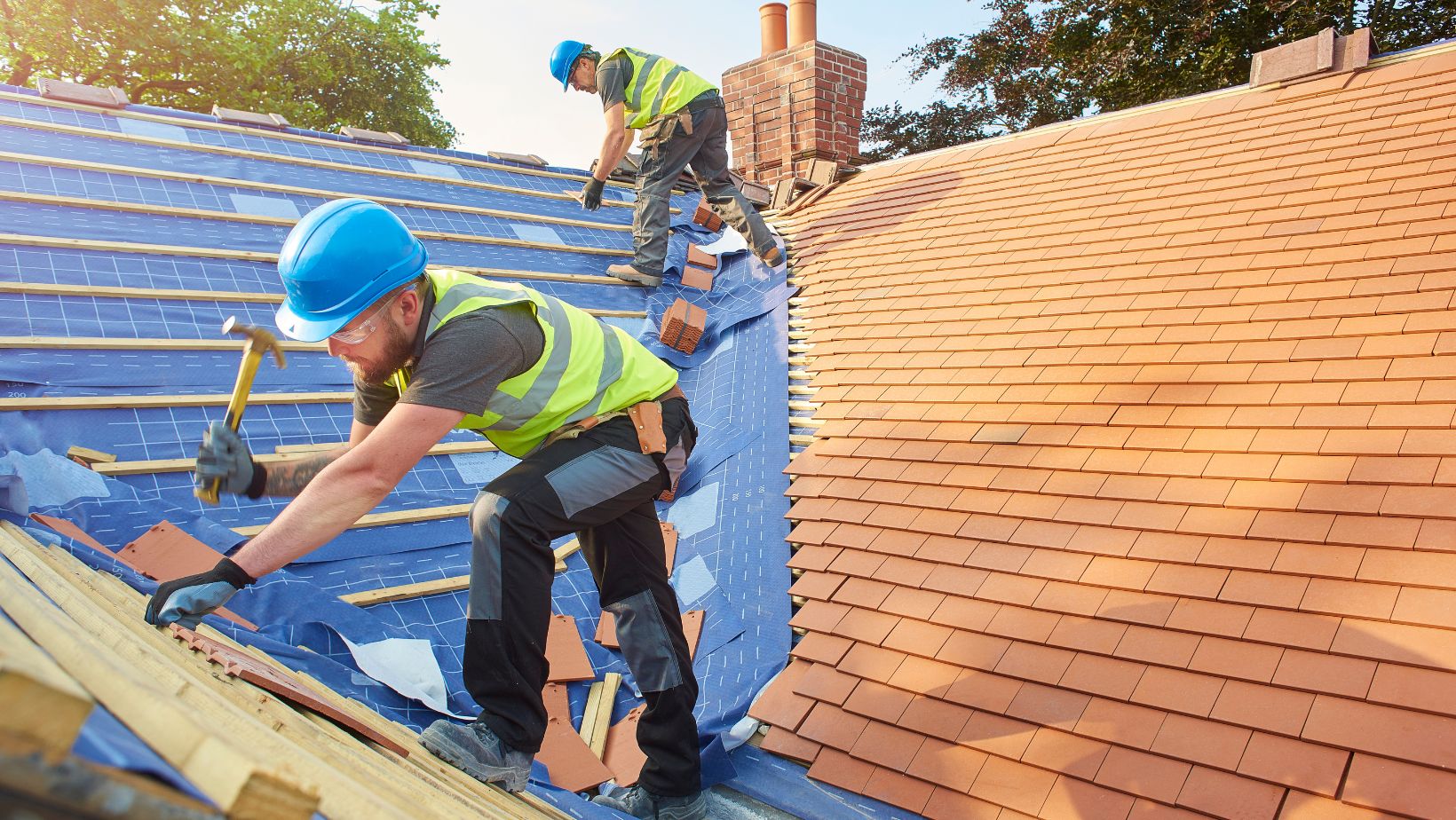
This is why contractors understand regional conditions before recommending a roofing solution that offers protection and longevity.
-
Local Building Codes and Material Availability
Building codes often influence which roofing materials are allowed or preferred in a given region. Local governments establish these regulations to ensure construction practices align with environmental risks and community safety standards. In fire-prone areas, for instance, building codes may require using Class A fire-rated materials, such as slate, metal, or treated asphalt shingles. This requirement isn’t merely precautionary—it’s based on the reality that wildfires can spread quickly, and non-combustible roofing materials can significantly reduce a home’s vulnerability. Similarly, in flood-prone or hurricane zones, local codes may mandate wind-resistant materials that have been tested and rated for uplift resistance. Roofing contractors must stay up-to-date with these regulations and advise clients on materials that meet personal preferences, pass inspection, and meet insurance requirements. Material availability also plays a part. Some regions have better access to specific roofing materials due to proximity to manufacturing centers or supply chains.
For example, clay tiles are more common in the southwestern states because they are manufactured nearby and suit the climate. Meanwhile, wood shakes may be more prevalent in the Pacific Northwest, where cedar is locally sourced. Contractors often weigh these logistical factors when recommending a roof, knowing that readily available materials can mean faster installation times, easier maintenance, and potentially lower homeowner costs. Supply disruptions or delays are less likely when materials are sourced near home. Contractors also take into account how local labor markets align with certain materials. More skilled workers are familiar with installing and maintaining that material in areas with a specific roofing style. This can impact not only the quality of the installation but also future repairs and maintenance. Choosing a roofing material supported by the regional labor market ensures a more seamless experience for homeowners from the first installation through the roof’s lifespan.
-
Energy Efficiency and Environmental Considerations by Region
In recent years, energy efficiency has become a significant factor in roofing decisions, and regional climates heavily influence which materials deliver the best performance.
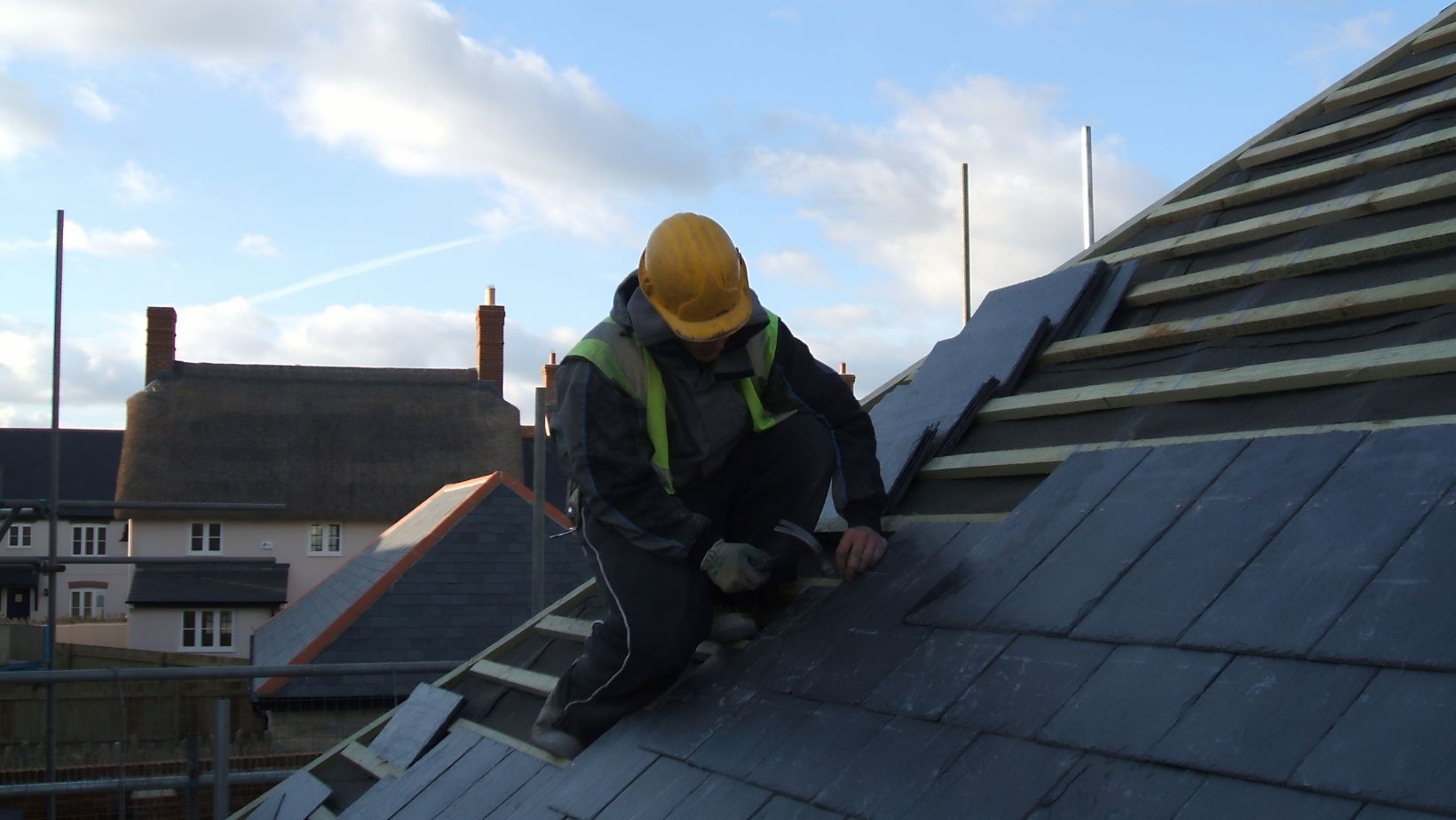
In hot, sunny environments, reflective roofing materials—often called “cool roofs”—reduce heat absorption and lower indoor cooling costs. These materials typically have high solar reflectance and thermal emittance values, which help keep a building cooler by reflecting more sunlight and releasing absorbed heat more efficiently. These regions often recommend white or light-colored roofing, coated metal panels, and reflective tiles. Not only do they enhance comfort, but they also contribute to energy savings by easing the load on HVAC systems. In colder climates, the priority shifts to insulation and heat retention. Darker-colored roofing materials that absorb sunlight can help melt snow quickly and warm the interior.
Insulated roofing systems are often employed to reduce heat loss, and materials that seal tightly, like metal or architectural shingles, are preferred to prevent drafts and moisture infiltration. Contractors from V.C. Veterans Contracting consider these regional energy needs to help homeowners choose roofing that performs well seasonally and contributes to lower utility bills. Environmental impact is another regional consideration. In places with strict environmental regulations or a strong focus on sustainability, contractors might recommend recycled roofing materials or those that can be reclaimed at the end of their life cycle. Some regions even offer incentives for sustainable products, such as solar-integrated roofing or green roof systems supporting vegetation. These environmentally conscious options provide insulation and cooling benefits and align with local green building standards. Contractors understand that a roof is more than just a covering—an environmental barrier that must function efficiently in a specific setting.
Roofing material recommendations are never made lightly. Contractors consider local weather, code regulations, material sourcing, and energy efficiency when guiding homeowners toward a roofing system that will perform reliably over time. From clay tiles in dry deserts to metal panels in snow-covered regions, each recommendation responds to the challenges posed by a specific environment. Understanding these regional influences allows homeowners to make informed choices that protect their property and add value and efficiency tailored to where they live.