
Relocating residences produces a remarkable quantity of waste. Beginning your sorting procedure no less than eight weeks before the moving date provides adequate time to manage possessions responsibly rather than automatically choosing the garbage container. The secret to an environmentally conscious relocation involves viewing your unwanted objects as assets instead of rubbish. Here are five eco-intelligent methods to reduce clutter before a move.
Donate Strategically to Local Organizations
Not every donation generates equivalent value. Instead of leaving items at the closest charity shop, investigate organizations that match your principles and address particular requirements in your area. Domestic violence shelters frequently require household goods and bedding, while vocational programs need business attire.
Neighborhood schools and childcare facilities can utilize craft materials, reading materials, and furnishings. Animal rescues usually welcome worn towels and covers. Reach out to these groups beforehand to learn their present requirements and contribution standards. This focused strategy guarantees your possessions benefit individuals who truly require them while decreasing the processing workload on broad donation facilities.
Use Temporary Storage for Items You Cannot Part With
Certain possessions occupy an awkward intermediate category during relocation; too worthwhile to abandon but not instantly required in your fresh residence. Holiday decorations, athletic gear, and nostalgic objects frequently generate indecision that results in careless decisions.
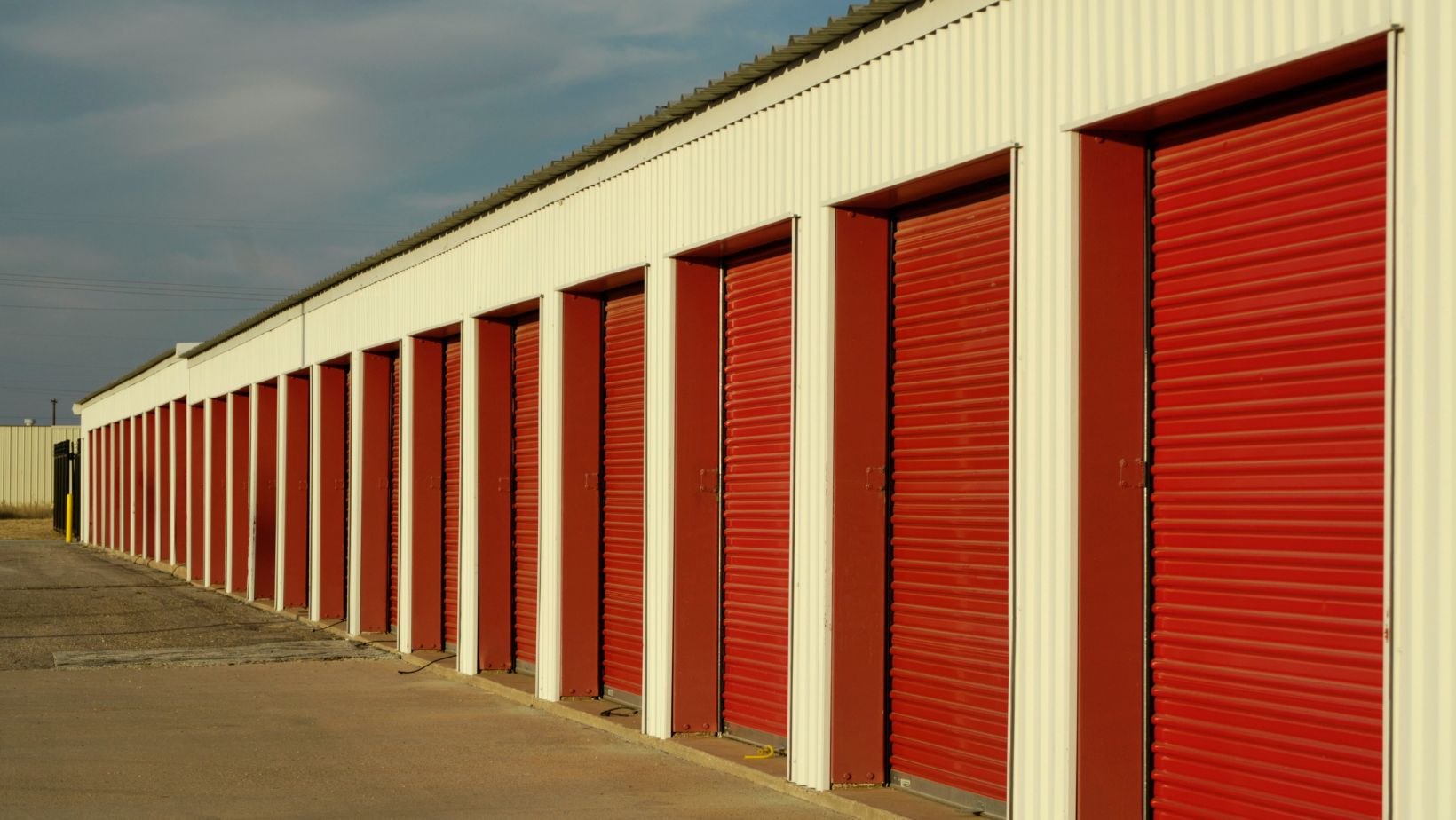
A SecureSpace facility at Sweetwater Ave or comparable neighborhood storage alternative offers a sensible answer for these transitional items. This temporary strategy allows you to prevent rushed elimination choices while stopping these belongings from overcrowding your new dwelling. Following adjustment, you can reevaluate these stored possessions with renewed clarity and reach more considered judgments about what genuinely merits lasting room in your existence.
Sell and Swap Through Community Platforms
Digital marketplaces and community networks have revolutionized how we rehome unwanted possessions. Services like Facebook Marketplace, Nextdoor, and Craigslist link you with nearby purchasers, removing delivery waste and its corresponding environmental impact. For objects with limited monetary worth, think about organizing an exchange gathering where acquaintances and community members trade goods.
Online platforms and regional selling communities make rehoming items simple and effective. The funds generated from vending furniture, electronics, and premium garments can balance relocation expenses while maintaining completely usable items in use.
Handle Hazardous Materials Responsibly
The genuine environmental harm from relocating frequently stems from incorrect disposal of dangerous materials. Permanent collection facilities provide cost-free options for inhabitants to appropriately discard household hazardous and electronic waste. These include paint, solvents, chemicals, computers, batteries, mobile phones, and fluorescent bulbs.
Outdated electronics hold precious metals and harmful compounds that must never reach waste sites. Likewise, remaining paint, cleaning substances, and pesticides demand specialized processing. Most local governments conduct routine collection occasions or operate continuous deposit sites for these substances. Arrange this responsibility early in your relocation schedule since numerous facilities maintain particular operating times or necessitate reservations.
Pack With Reusable and Borrowed Materials
Lease reusable plastic containers from services that transport and collect them following your relocation. Utilize towels, bedding, and garments to protect delicate objects rather than purchasing bubble wrap. Obtain secondhand cardboard cartons from neighborhood retailers, freecycle communities, or acquaintances who recently relocated.
Wine and spirits shops frequently possess durable containers ideal for weighty objects like publications. For cushioning material, crushed newspaper or even shredded paper functions as successfully as artificial packing peanuts. Following unpacking, flatten cardboard promptly and recycle it instead of allowing it to accumulate.
Endnote
The environmental expense of relocating reaches well past the energy consumed by the transport vehicle. By handling decluttering with purpose and emphasizing repurposing over discarding, you change a normally wasteful procedure into a chance for neighborhood engagement and environmental responsibility.