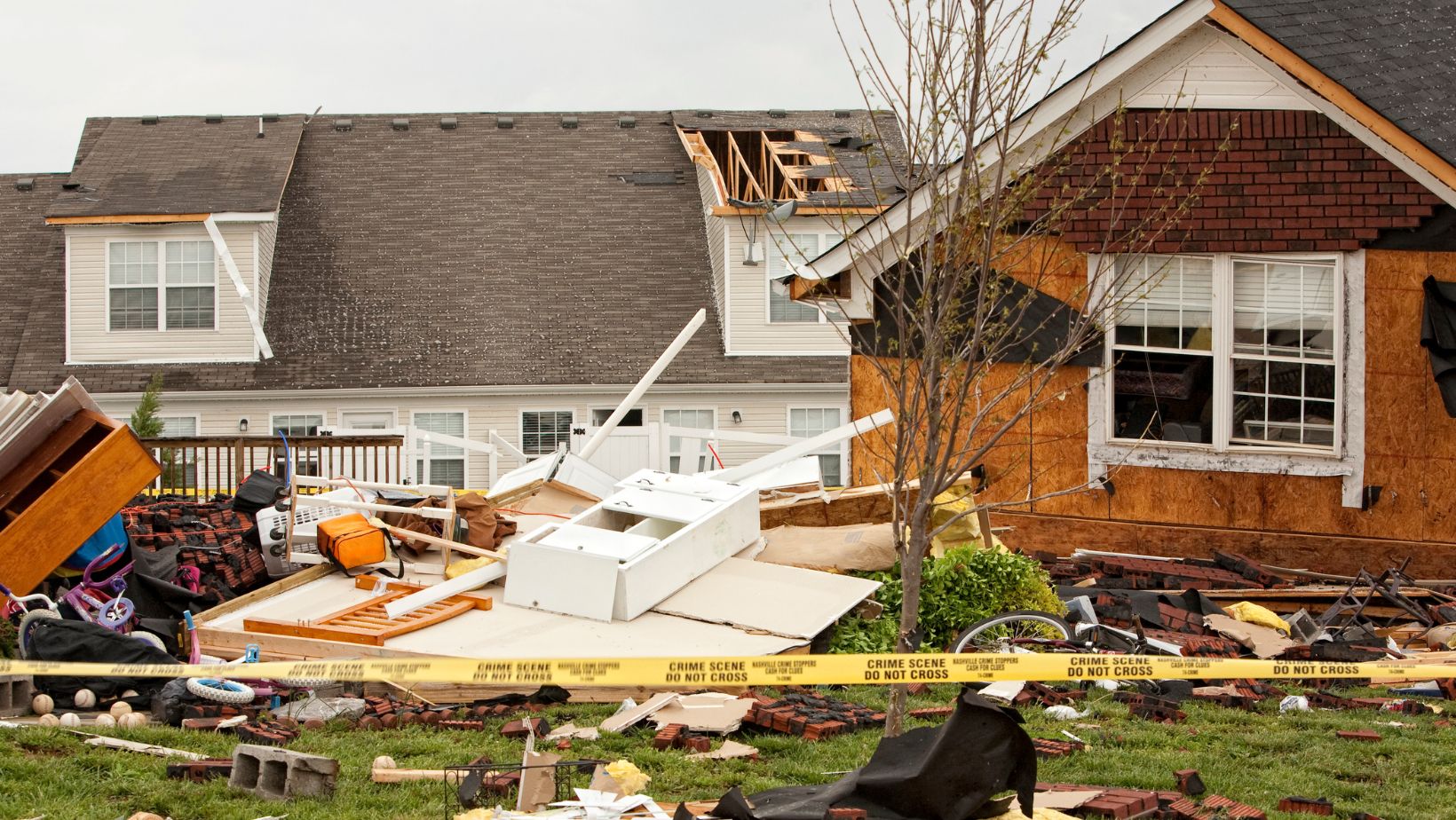
Whether you’ve experienced a house fire, flood, break-in, or storm damage, filing an insurance claim is an essential part of recovering your property. But if you’ve never dealt with an insurance adjuster before, the process can feel overwhelming—especially when emotions are running high.
Understanding how to communicate and coordinate with your adjuster can make a big difference in how quickly and fairly your claim is resolved. If you’re in Virginia and navigating a disaster situation, here’s what you should know about working with insurance after property damage.
What Does an Insurance Adjuster Do?
An insurance adjuster is a representative of your insurance company who is responsible for:
- Inspecting the damage
- Evaluating your policy coverage
- Estimating the cost of repairs or replacements
- Recommending a settlement amount
They’re not necessarily trying to shortchange you—but they do work for the insurance company, which means it’s up to you to make sure your interests are represented, too.
Step 1: Document the Damage Before Cleanup
After you secure your property (with emergency board-up or tarping), don’t rush to clean up everything right away. Instead:
- Take photos and videos of all affected areas
- Keep damaged items until they’ve been evaluated
- Save receipts for temporary housing, food, and emergency expenses
- If you’ve already started mitigation (e.g., water extraction), get documentation from your contractor
Thorough documentation supports your claim and prevents disputes later on.
Step 2: Have a Restoration Professional Involved
One of the best things you can do is work with restoration services that assist with insurance claims. Companies like 911 BoardUp understand what insurance companies look for and can:
- Provide damage assessments and repair estimates
- Meet the adjuster onsite to point out issues

- Help ensure nothing is overlooked in the inspection
- Advocate on your behalf to make sure the full scope of damage is included
Having a professional on your side ensures your claim is accurate and complete.
Step 3: Ask the Right Questions
When your adjuster visits, don’t be afraid to ask questions. Consider the following:
- What exactly is covered under my policy?
- Are there any limits or exclusions I should be aware of?
- How does my deductible affect the settlement amount?
- Will depreciation be factored into the payout?
- What’s the expected timeline for processing and approval?
Clarity upfront avoids confusion and helps manage expectations throughout the process.
Step 4: Get Everything in Writing
If your adjuster makes verbal agreements or decisions, ask for them in writing or follow up with an email summarizing your understanding. This paper trail protects you if disputes arise and ensures everyone is on the same page.
Keep a file that includes:
- Emails or letters from the adjuster
- Inspection reports
- Contractor estimates
- Photos, receipts, and repair invoices
- A log of all communications and dates
Step 5: Analysis the Settlement Carefully
Once you receive the settlement offer, take time to review it. Compare it against:
- The original scope of damage
- Your contractor’s estimate
- Any excluded repairs or discrepancies
If anything seems off or incomplete, you have the right to request a re-inspection or submit a dispute with supporting evidence.
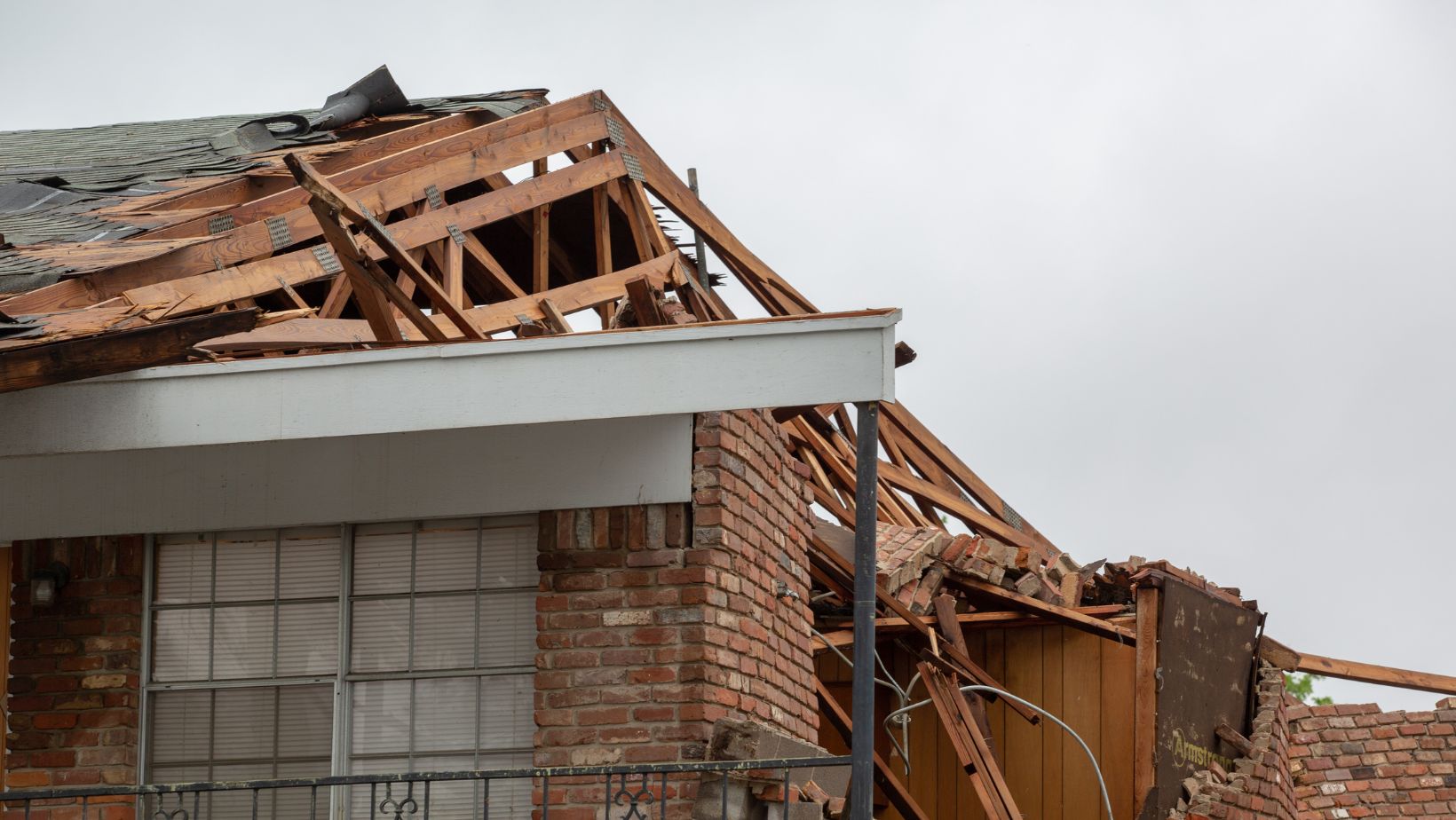
Your restoration team can help provide backup documentation if needed.
Don’t Go It Alone
Navigating insurance claims can be complicated—especially during the emotional aftermath of a disaster. That’s why so many Virginia homeowners and property managers rely on teams like 911 BoardUp, who specialize in working with insurance after property damage and help handle the details from board-up to final repairs.
Final Thoughts
When disaster hits, you don’t have to fight the insurance battle alone. By documenting early, involving a trusted restoration company, and communicating clearly with your adjuster, you’ll be in a much better position to receive the compensation you deserve.
For fast, reliable help from restoration services that assist with insurance claims, contact 911 BoardUp Restoration Company and take the first step toward recovery—with professionals who have your back from day one.