
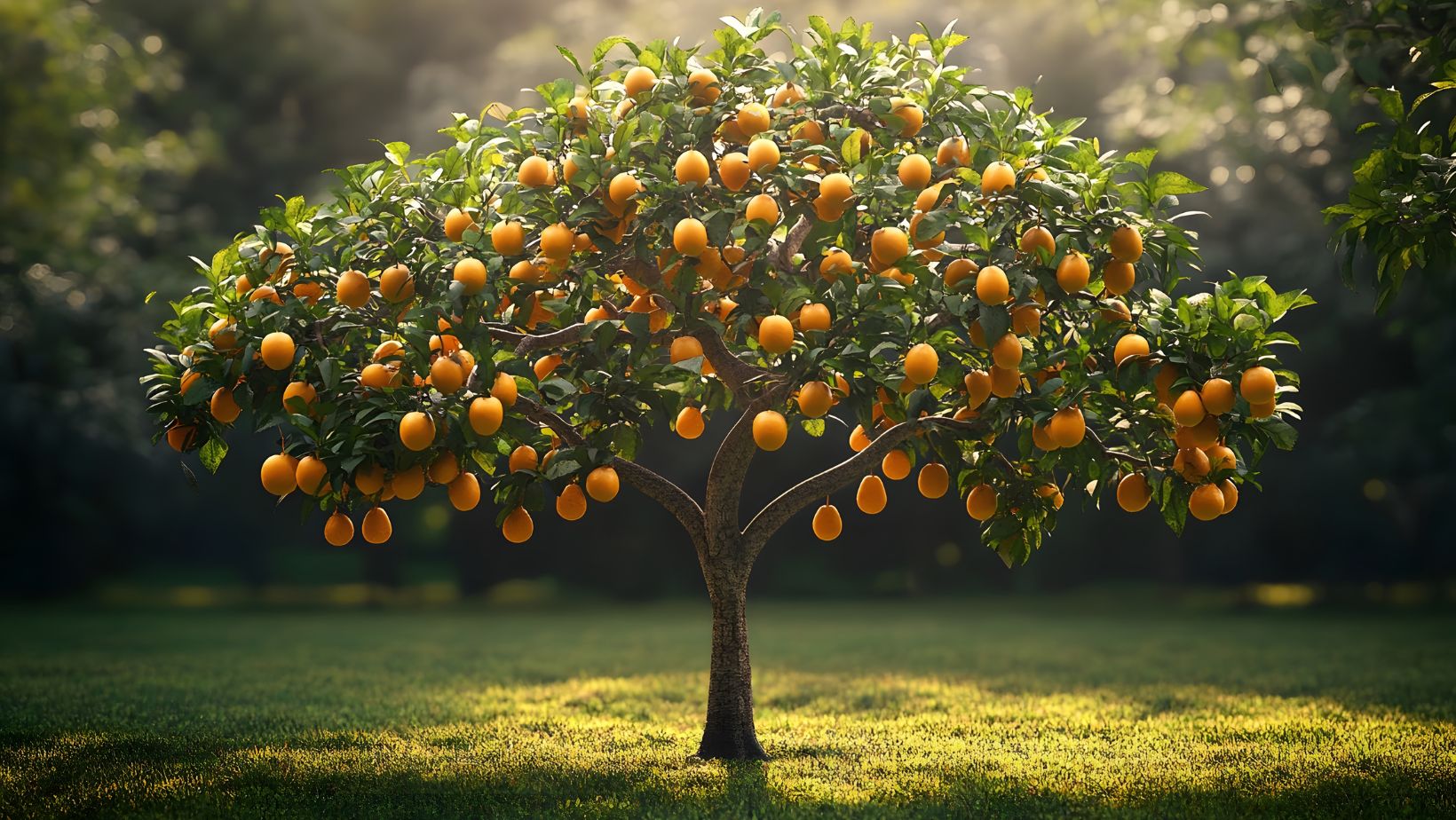
Planting a fruit tree is exciting, but the first few years are critical. Young trees need attention to grow strong and produce fruit for yeaars to come. If you care for them properly, you can enjoy a bountiful harvest in the future. Here’s a simple, step-by-step guide to help you nurture your young fruit trees.
8 Steps Caring for Young Fruit Trees
1. Choose the Right Spot
Your tree’s location will affect its growth and fruit production. Pick a spot with plenty of sunlight — at least six hours a day. Make sure the area has good drainage to avoid waterlogging. Avoid low spots where frost can settle, as young trees are especially sensitive. You can explore more on selecting fruit trees for your garden at fruit-trees.com.
2. Planting Correctly
For bare-root trees, plant them during the dormant season (late autumn to early spring). Dig a hole twice as wide as the root system but not deeper than the roots. Spread the roots out gently and cover them with soil, making sure the graft union (the bulge near the base) is above ground. Water immediately to settle the soil and remove air pockets.
Potted trees can be planted any time, but avoid hot, dry days. Keep the root ball intact, loosen circling roots slightly, and plant at the same depth it was in the pot.
3. Watering and Mulching
Young trees need consistent moisture. Water them deeply once or twice a week, depending on rainfall. The goal is to keep the soil moist, not soggy. Mulching around the base with straw, wood chips, or bark helps retain moisture and suppress weeds. Keep mulch a few inches away from the trunk to prevent rot.
4. Supporting Your Tree
Stake your tree to protect it from wind and help it grow straight. Use soft ties and check them regularly to avoid girdling the trunk. Stakes should remain in place for one to two years, depending on how strong the tree becomes on its own.
5. Pruning and Shaping
Pruning young trees is important for structure and future fruit production. In the first year, focus on removing dead, broken, or crossing branches. For apple and pear trees, consider shaping them into a central leader or open center. Avoid heavy pruning, as this can stress a young tree.
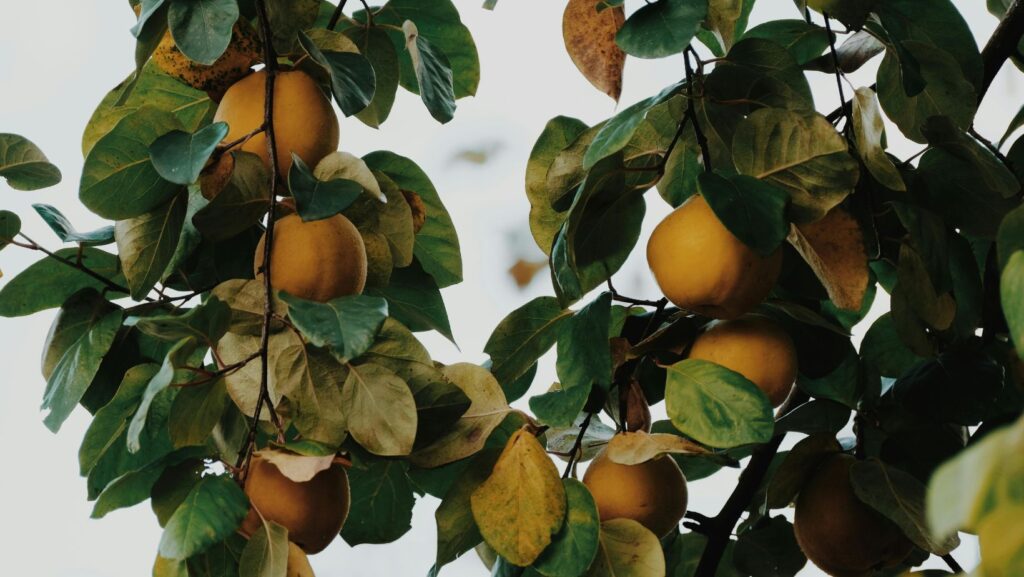
Research shows that proper pruning in the first few years can significantly increase fruit yield and tree health.
6. Fertilizing Carefully
Young trees need nutrients to establish roots, but too much fertilizer can damage them. Use a balanced, slow-release fertilizer in early spring. Avoid high nitrogen fertilizers that encourage leafy growth at the expense of roots and fruit. Always follow the instructions on the package.
7. Protecting from Pests and Diseases
Young trees are vulnerable to pests like aphids, caterpillars, and slugs, as well as diseases such as powdery mildew or fire blight. Inspect your tree regularly. You can use organic sprays or physical barriers, like tree guards, to protect the trunk. Keep the area around the tree clean and remove fallen fruit to reduce the risk of disease.
8. Patience and Observation
Growing a healthy tree takes time. Observe your tree regularly for signs of stress, pests, or disease. Adjust watering, mulching, or staking as needed. Don’t worry if your tree doesn’t fruit in the first year or two — young trees are focused on building a strong root and branch structure first.
Conclusion
Caring for young fruit trees is about giving them the right conditions, consistent attention, and a little patience. By choosing the right location, planting properly, watering, mulching, staking, pruning, and protecting your tree, you set it up for a healthy, fruitful life. Remember, it’s normal to face some challenges, and even experienced gardeners learn from early mistakes. Start with small steps, and over time, your efforts will pay off with healthy trees and a satisfying harvest.