
Water damage sneaks up on a lot of homeowners, starting small and quiet before turning expensive and stressful. Leaks, storms, and worn-out systems are often to blame, and people often miss signs until damage is already done. Below, we’ll break down the most common causes, the small steps that actually help prevent problems, and when calling a professional makes sense.
The Most Common Causes of Water Damage
Many cases of water damage trace back to hidden plumbing issues. Pipes rust, joints shift, and tiny leaks drip unnoticed for weeks. Trouble increases when trees crowd the house, proving that preventing tree damage is essential.
Everyday appliances can trigger water damage once hoses weaken or seals stop holding tight. Washing machines, water heaters, and dishwashers work under pressure nonstop. When they fail, it is often silent, allowing water to creep across floors and cabinets inside.
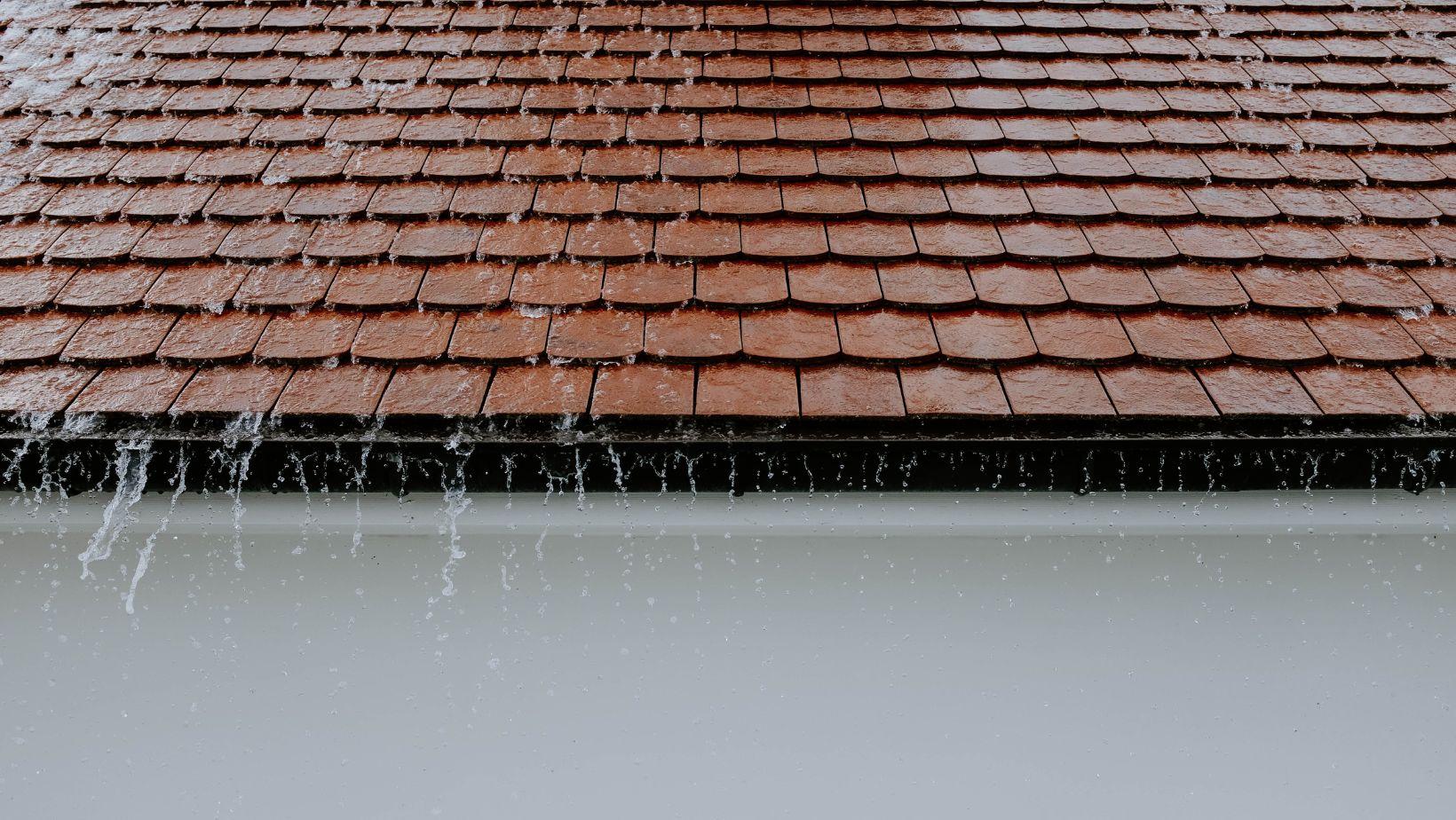
Problems outside the home also let water enter, especially as roofs age and drainage systems are overlooked. Shingles loosen, flashing slips, gutters clog, and water backs up fast. Wet areas in attics and walls may stay hidden for long periods.
Poor weather makes water damage worse as heavy rain and moisture overwhelm houses quickly. Flooding, wind-driven rain, and rising groundwater all contribute. Speed matters after storms, which is why water damage restoration Georgia help is commonly required right away.
Practical Ways Homeowners Can Reduce the Risk of Water Damage
Regular checks around the home catch problems before water spreads. Look under sinks, behind toilets, and near appliances for damp spots or stains. Issues can also come from exterior cleaning, since what you might damage by power washing on your own often includes siding and hidden seals. Clean gutters, extend downspouts, and watch how rain flows after storms. Yet soil sloping toward walls lets moisture settle, slowly seeping inside over time during wet seasons, unnoticed.
Appliances deserve attention since they work daily under pressure. Replace old hoses, check seals, and do not ignore puddles nearby. Besides, turning off water when away reduces risk from sudden failures that no one sees until damage spreads fast inside homes.
Paying attention to small warning signs helps prevent bigger messes. Musty smells, soft flooring, or peeling paint often mean trapped moisture. Trusting instincts and acting quickly can stop minor issues from growing costly before repairs become stressful and disruptive events.
When Prevention Is Not Enough and Why Professional Help Matters
Even homeowners who stay careful can still face damage that grows faster than expected, especially after leaks or strong storms. Water slips quietly through walls and floors. Planning ahead matters, and financially preparing for extreme weather helps ease stress when cleanup, repairs, or sudden costs show up.
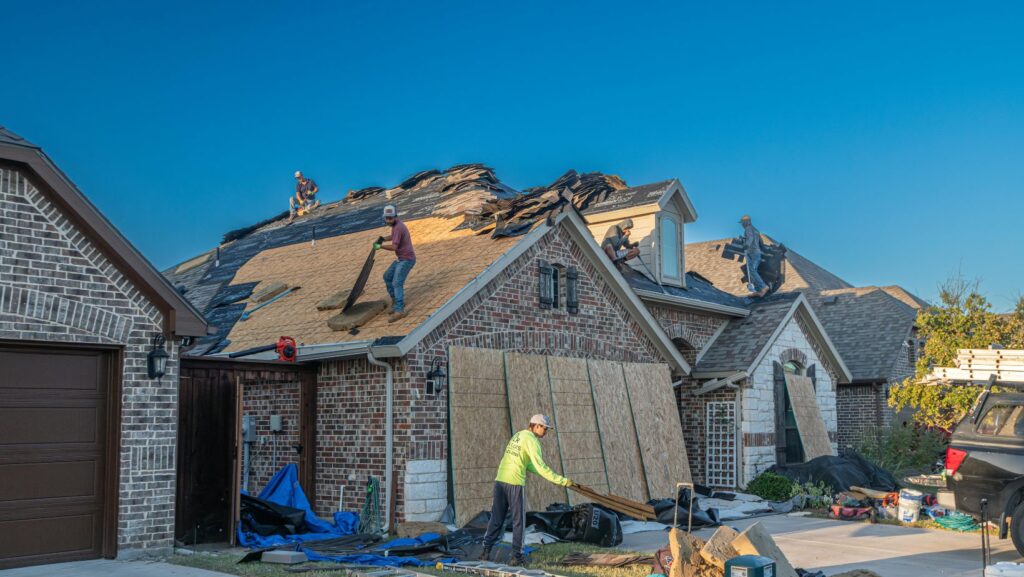
Hidden moisture often causes issues that homeowners do not notice right away. Mold growth, warped framing, and weakened surfaces develop slowly from behind walls. Problems continue spreading while surfaces seem dry, turning small concerns into larger, tougher repairs over time inside the home.
Professional restoration crews rely on tools that remove moisture from deep materials, not only what is visible. Drying equipment, monitoring, and experience help limit long-term damage. Proper care also lowers health risks connected to lingering moisture inside everyday living spaces.
Knowing the right time to call for help protects the home and everyone inside it. Fast action matters once water spreads out of sight or delays happen. Professional response speeds recovery and keeps small disasters from turning into long-lasting problems for families.
Endnote
Water damage often starts quietly, then spirals when ignored. Small leaks become structural problems, and delays raise costs fast. Having water damage insurance helps homeowners make smarter decisions, but it only works when paired with quick, informed action. When water reaches hidden areas, professional help becomes critical. Choosing the right response early saves money, limits repairs, and helps families return to normal life sooner and safely.