
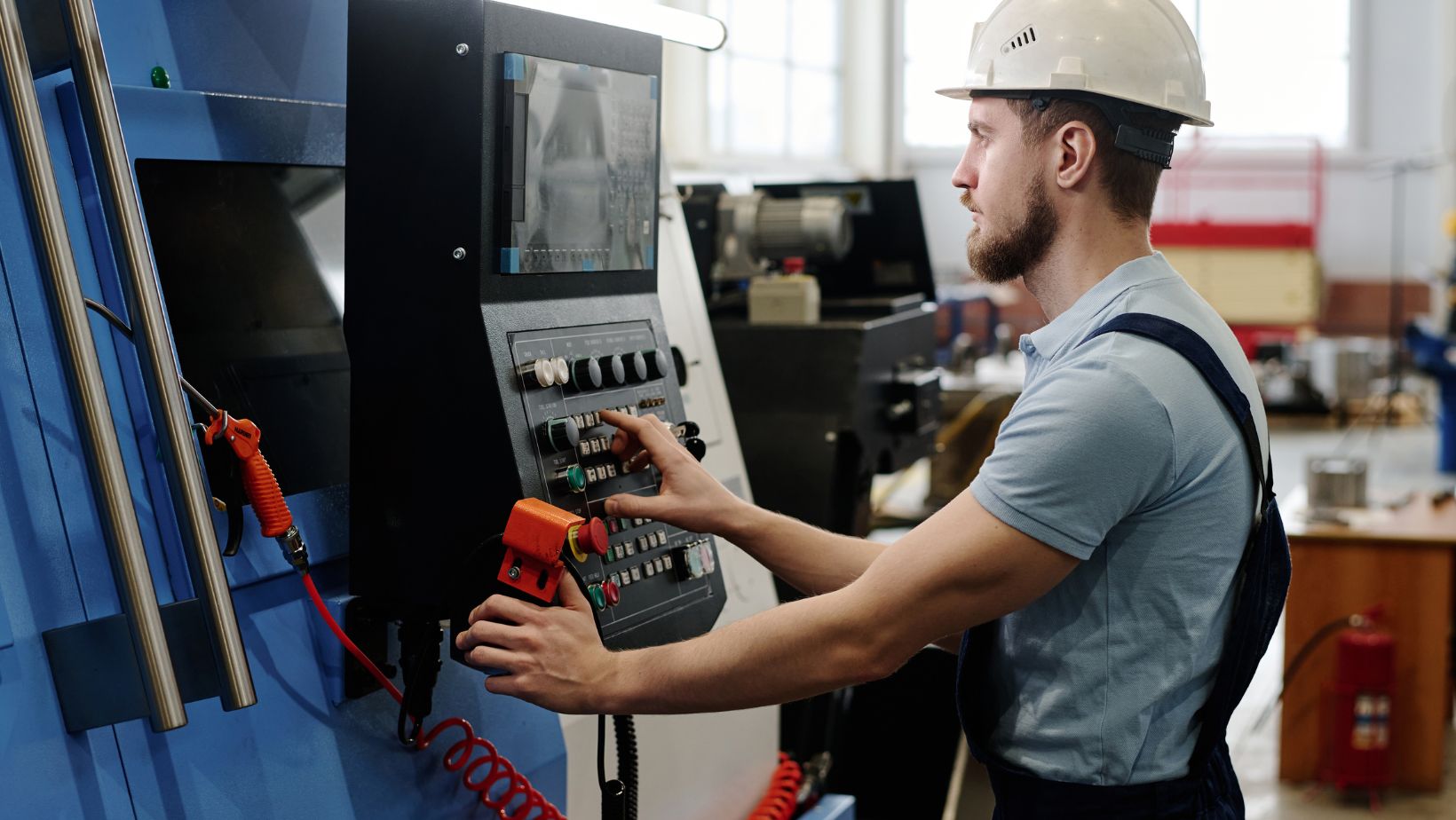
In modern CNC machining, precision isn’t a bonus—it’s the standard. Whether you’re turning, milling, grooving, or drilling, achieving tight tolerances and perfect finishes begins with one principle: accurate measurement.
Unfortunately, many shops still treat measurement as a reactive process—something to check after the part comes off the machine. This mindset leads to rework, scrap, wasted tooling, and missed deadlines. The truth is, measurement should be integrated before, during, and after machining to ensure total process control.
In this article, we’ll explore how measurement errors compound across the machining process and how proactive verification at every stage reduces defects, boosts efficiency, and maximizes profitability.
Measurement Errors Multiply Across Machining Stages
Precision machining is a multi-step process, and every stage depends on the accuracy of the previous one. A small measurement mistake made early in the process—like a misaligned workpiece, incorrect tool length offset, or improperly dialed setup—can carry through the entire job and ruin your final results.
It Starts with the Setup
Before a single chip is cut, your workholding and tooling setup must be measured and verified. A misaligned part or toolholder doesn’t just affect one dimension—it throws off the entire coordinate system. That’s why high-quality fixturing tools like a self centering vise are critical.
Unlike traditional vises, self-centering vises automatically center the part, reducing human error during setup and ensuring the part is consistently aligned with the machine’s spindle or turret. This is especially useful in:
- Multi-op setups
- 5-axis machining
- Rotary or tombstone fixtures
A single mistake in setup not only ruins the first part—it can ruin a whole run if not caught in time.
Tool Offsets and Holder Accuracy
Toolholder accuracy is just as important. If your tool isn’t seated correctly or is held in a worn or imprecise holder, dimensional accuracy will suffer. This is especially important in turning centers and live-tooling machines, where VDI tooling is common.
VDI toolholders require strict tolerance control to ensure that the cutting edge is in the correct position every time a tool change occurs. Even a few microns of deviation in radial or axial runout can lead to poor surface finishes, inaccurate diameters, and shortened tool life.
When your measurement and verification processes don’t catch these discrepancies before machining, the result is wasted material, rework, or even machine damage.
Mid-Process Verification
Measurement during machining—whether manual or automated—is another area where shops can dramatically improve performance. Simple in-process checks using probes, test indicators, or digital gauges help verify tool wear, dimensional drift, and part alignment before the job progresses too far.
Some of the most expensive mistakes happen when a machine runs hundreds of parts without mid-process inspection. What could’ve been fixed by replacing a worn insert becomes a full-bin scrap disaster.
Verification at Every Step Prevents Scrap and Rework
Most machinists are familiar with the old saying: “Measure twice, cut once.” But in high-volume or high-precision environments, it’s more like: “Measure before, during, and after—every time.”
Integrating verification at every machining stage is the only way to ensure consistent, high-quality results across batches and operations.
Pre-Machining Inspection: The Foundation
Before the machine ever cycles, you need to verify:
- Raw material size and shape
- Setup location and orientation
- Tool lengths and wear condition
- Fixture alignment and part zero
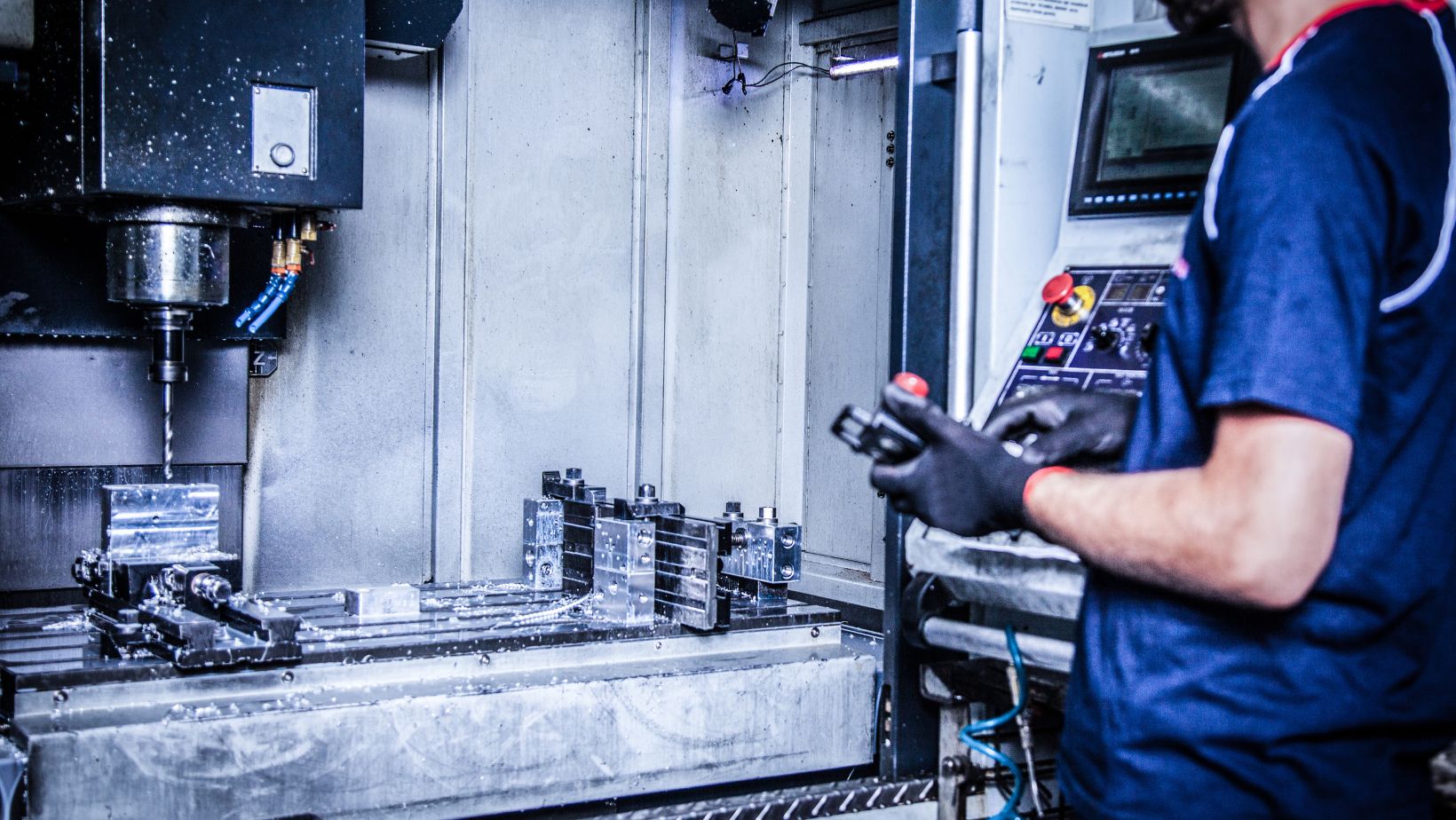
Using tools like edge finders, test indicators, or precision measurement blocks can help here. But don’t underestimate the importance of fixture accuracy itself. A high-quality self centering vise simplifies setup by reducing the number of adjustments needed to locate the part precisely in the work envelope.
During Machining: In-Process Control
Mid-process verification prevents downstream waste. This can include:
- Touch probes verifying feature positions
- Manual measurement of key dimensions
- Tool break detection systems
- Automatic wear offset adjustments
For tight-tolerance grooves, bores, or features like snap-ring seats, it’s especially important to inspect during the operation. Face groove tools, for instance, are used in high-precision applications where groove width and depth must fall within a few thousandths.
If the tool wears, chips, or deflects even slightly—and no in-process check catches it—you risk blowing out an entire feature that may not be detected until final inspection.
Post-Machining: Final Inspection and Certification
Even with accurate setup and in-process checks, every high-precision shop needs to finish with thorough post-machining inspection. This ensures:
- Parts meet customer and drawing specs
- Dimensional consistency across the batch
- Surface finishes meet requirements
- Critical features like threads, bores, or grooves are within tolerance
This is where tools like micrometers, bore gauges, surface finish testers, and CMMs (coordinate measuring machines) come into play. A reliable final inspection process not only prevents non-conforming parts from reaching customers—it reinforces the shop’s reputation for quality.
Common Mistakes Shops Make With Measurement
Here are a few pitfalls even experienced shops fall into when it comes to measurement:
1. Using Worn or Uncalibrated Tools
Just like cutters, measurement tools wear over time. Calipers, indicators, and micrometers must be calibrated regularly. Don’t assume your tools are accurate just because they read zero.
2. Skipping Mid-Process Checks
Assuming everything is “running fine” without in-process inspection is a gamble—one that often ends in scrapped parts. Make inspection part of the cycle, not an optional task.
3. Ignoring Toolholder Precision
Your tooling setup—including holders like VDI tooling—must be as precise as your cutting tool. A toolholder with 0.003″ runout is a liability, especially in high-speed or finishing operations.
4. Inconsistent Setup Practices
Training your team on consistent setup procedures is key. Even the best tools can’t compensate for inconsistent operator technique.
Final Thoughts: Measurement Is Not a Step—It’s a Strategy
If you want to build a high-precision machining operation, accurate measurement isn’t just a task—it’s a system-wide discipline. From workholding and tooling to real-time verification and final inspection, every stage must be supported by reliable, repeatable measurement practices.
Use a high-quality self centering vise to eliminate alignment guesswork, pair your machines with zero-runout VDI tooling for consistent tool location, and inspect critical features with tools designed for precision applications—especially when using advanced cutting tools like face groove tools.