There’s a certain sound a house makes when it’s struggling. The heater kicks on. Then off. Then on again. In summer, it’s the AC doing the same anxious loop.
You notice it late at night, when everything else is quiet. Most people chalk that up to age. Or weather. Or rising energy costs that feel completely out of your control.
But often, the problem is simpler—and closer—than we like to admit. Windows.
This article examines why windows leak more energy than most of us realize, what “advanced” really means in modern window design, and how new technologies quietly change how your home behaves day after day.
Why Windows Are the Silent Energy Leaks
The U.S. Department of Energy estimates that 25% to 30% of residential heating and cooling energy is lost through windows.
That’s a big slice of your utility bill disappearing through glass and frames.
Older windows weren’t designed with efficiency in mind. Single panes. Worn seals. Aluminum frames that conduct heat like a bridge. Warm air drifts out in winter. Solar heat creeps in during summer. Your HVAC system keeps compensating, burning energy just to stay even.
You’ve felt it. Drafts near the sill. Rooms that never quite settle. That odd temperature difference when you stand too close to the glass.
What “Advanced” Actually Means in Window Tech
Advanced window technology isn’t futuristic. It’s practical.
It’s about controlling heat, not eliminating light. About slowing energy transfer instead of fighting it. Materials do most of the work while you go about your day.
Low-emissivity glass is a big part of that. The Department of Energy reports that Low-E coatings reduce energy loss by 30 – 50% compared to standard clear glass. They reflect infrared heat while letting daylight through, which sounds simple because it is.
Multi-pane construction matters too. ENERGY STAR data shows that replacing single-pane windows can lower household energy bills by roughly 12% nationwide, and up to 27% in colder regions. That’s not a minor tweak. That’s a noticeable shift.
4 Ways Modern Windows Actually Change Home Efficiency
Advanced windows don’t rely on a single breakthrough. They layer small advantages until the math finally tilts in your favor. Here’s how they slash bills and boost home efficiency.
1. Glass That Reflects Heat Without Blocking Light
Low-E coatings work year-round. In winter, they reflect interior heat back into the room. In summer, they bounce solar heat outward.
The National Fenestration Rating Council confirms that windows with lower U-factors significantly reduce heating demand, while properly tuned Solar Heat Gain Coefficients limit overheating in warmer months.
The result feels simple. Rooms stop fighting the season.
2. Multiple Panes That Slow Heat Movement
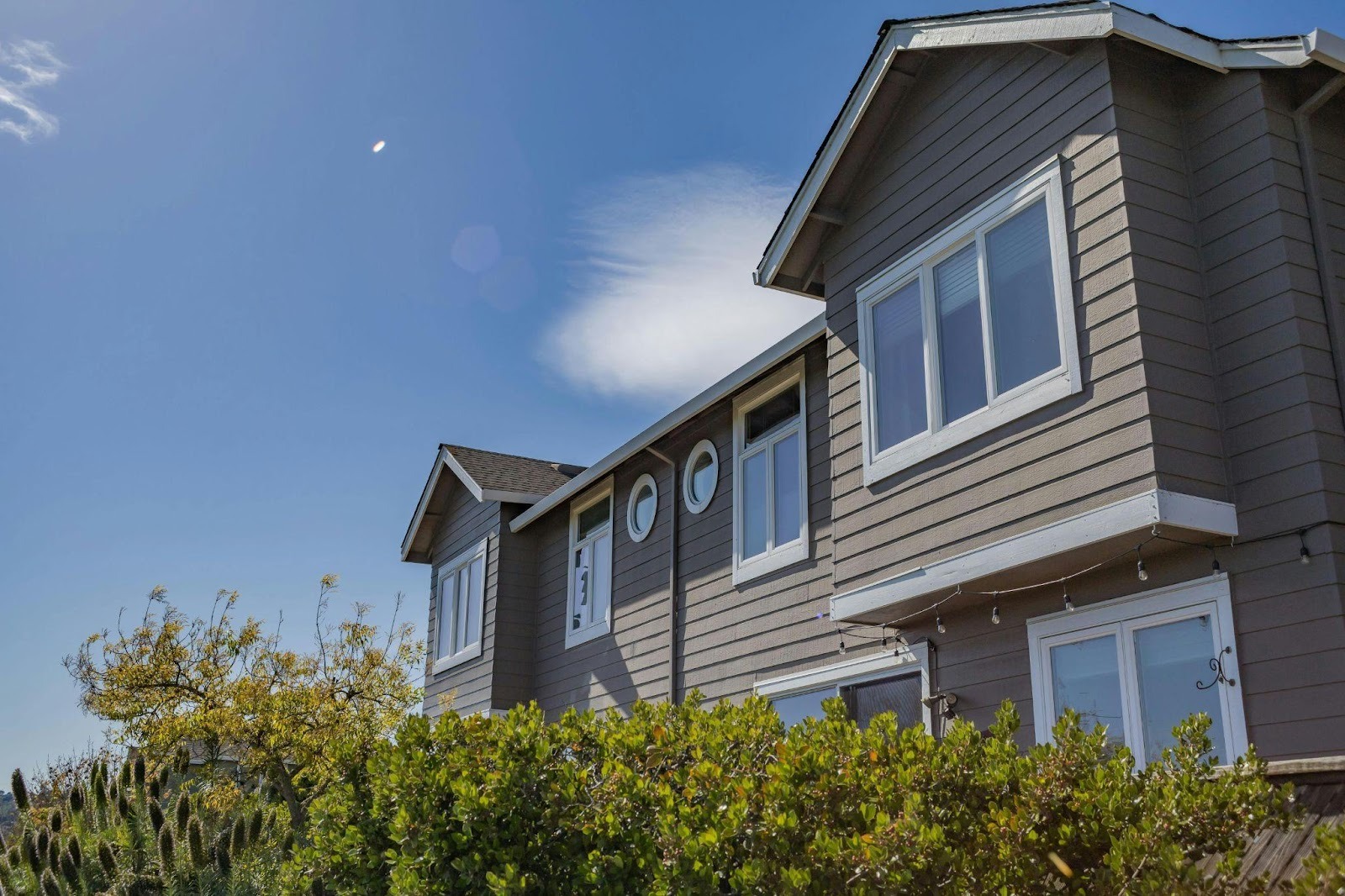
The real shift occurs when a home is upgraded with modern energy-efficient windows. By combining gas-filled panes with precision installation, the glass creates a robust thermal barrier that slows heat movement regardless of the season.
Over time, this reduced heat transfer translates directly into lower utility bills, as your HVAC system no longer has to overcompensate for the energy that used to vanish through thinner, outdated glass.
3. Frames That Don’t Conduct Energy Away
Everyone talks about the glass. However, it’s the frames that decide whether your energy stays put or walks out the door. Metal frames, especially aluminum, move heat fast.
That’s why modern windows lean toward vinyl, fiberglass, or composite wood materials instead. The U.S. Department of Energy points out that non-metal frames with built-in thermal breaks can noticeably cut heat loss, especially when temperatures drop, and winter settles in.
It’s the kind of fix you don’t fully appreciate at first. Then one day, you realize the room feels steadier. Calmer. And you can’t quite remember why it ever felt uncomfortable before.
4. Tighter Seals That End the Draft Cycle
Even great glass fails if air slips around it.
Today’s windows rely on tighter builds and better weatherstripping to limit airflow. ENERGY STAR notes that lower air leakage ratings steady indoor temperatures and cut back HVAC cycling rates. That’s when the home feels calmer.
Less effort. Less noise. Fewer constant adjustments.
Wrapping Up
Advanced window technology doesn’t announce itself with a dramatic reveal. It settles in quietly.
Bills ease back instead of spiking. Rooms feel calmer. Systems run less often. The EPA estimates annual savings between $101 and $583 from efficient window replacements, depending on region and home type—but the comfort usually registers first.
It’s strange, realizing how long you lived with drafts and temperature swings, assuming that was normal. Once the windows start doing their job properly, the house feels less like something you manage… and more like something that works with you.
Kind of makes you rethink what else you’ve been tolerating without question.