
Table of Contents
ToggleHousehold dust is a mix of skin flakes, fabric fibers, pollen, pet dander, and dust mites.
Research shows dust mites appear in about 80% of homes, especially in mattresses and soft furniture where skin cells naturally build up. Most people also spend close to 90% of their time indoors. That makes dust part of everyday air quality, even when a home looks clean on the surface.
Most people clean what they can see first. Countertops, tables, and shelves usually get attention right away, while other areas slowly collect dust without much notice. Here are the spots that quietly build up the most.
Contents
Ceiling fans, air vents, and lighting quietly circulate dust
Ceiling fans collect dust slowly on the blades. It builds up layer by layer without anyone noticing. Once the fan starts spinning, that dust gets pushed back into the air and spreads across the room again.
Air vents work all day in the background, pulling air through filters and ducts. Along with that airflow comes dust, pollen, and fine particles that settle inside the system. When filters start clogging, airflow weakens and more particles circulate back into rooms instead of being trapped.
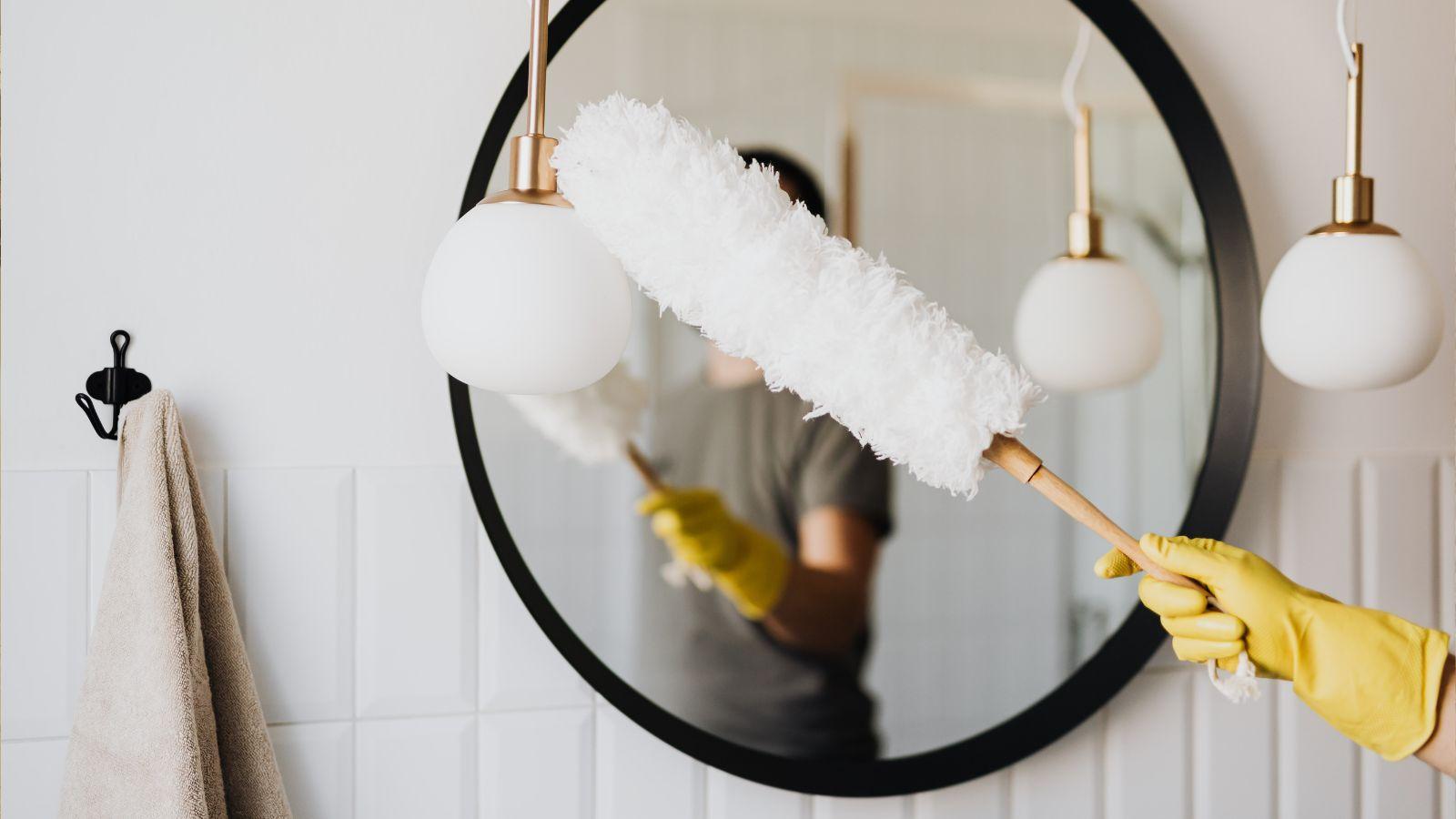
Light fixtures also collect dust along edges, bulbs, and covers. These areas are easy to miss because they sit above eye level and rarely get touched during routine cleaning. Even a light cleaning every few weeks helps reduce how much of this buildup gets recirculated into the air, especially in rooms that stay closed most of the day.
Curtains, blinds, mattresses, and fabric-heavy surfaces trap allergens
Soft surfaces behave like slow dust collectors. Curtains catch airborne particles that drift in from windows or get stirred up during daily movement inside the home. Blinds collect dust along every slat, while window tracks gather moisture, dirt, and outdoor debris that sticks more easily in humid conditions.
Mattresses carry one of the highest concentrations of dust mites in the home. The average person sheds about 1.5 grams of skin daily, which becomes a steady food source for mites. Their waste particles are a common trigger for sneezing, congestion, and watery eyes, often most noticeable in the morning after sleeping.
Bed frames also collect dust in joints and slats where airflow doesn’t reach easily. Washing bedding weekly in hot water and vacuuming mattresses once a month helps reduce buildup across all these fabric-heavy areas.
Electronics, cables, and everyday screen spaces collect fine dust
Electronics attract dust because of static charge. TVs, monitors, routers, and gaming setups often collect thin layers along vents and back panels where airflow and heat meet.
Cables running along desks or floors create tight gaps where dust settles and stays untouched for long periods. Over time, these small areas build up more than expected, especially in work-from-home setups where devices stay on for long hours.
Time spent around screens is part of daily indoor life, whether for work, relaxation, or browsing experiences like litecoin casino blackjack at sportbet.one. It’s all happening in the same environments where dust naturally gathers around electronics.
Dust buildup in these areas can also trap heat, which slowly affects performance if it is not cleaned regularly. A microfiber cloth every few weeks is usually enough to keep things under control without much effort.
Kitchen exhausts, refrigerators, and appliances with grime
Kitchen exhaust systems pull in steam, grease, and cooking particles every time they run. These particles mix with dust and form sticky buildup on filters and surfaces. Range hoods collect residue quickly in homes where cooking is frequent.
Cleaning them helps airflow stay steady and reduces lingering kitchen smells that build up over time. Refrigerator coils sit behind or beneath the appliance and slowly collect dust.
When the buildup becomes thick, cooling efficiency drops, and energy use can increase without obvious warning signs. Cleaning coils twice a year helps maintain stable performance and prevents unnecessary strain on the appliance.
Doors, frames, decor, and small surfaces also gather dust
Door handles collect oils from frequent use along with airborne dust, a combination that builds up faster than most people notice. Top edges of doors and frames collect dust that rises through natural airflow inside the home. These areas often go unnoticed because they sit above eye level and blend into the background.
Decorative items like frames, sculptures, and wall art collect dust along textured edges where it settles quietly over time. These surfaces rarely get attention during quick cleaning sessions.
Indoor plants also gather dust on their leaves, especially larger varieties with wide surfaces. A light wipe every so often helps keep these details from blending into the general background layer of dust inside a home. Even small adjustments in cleaning habits can make a noticeable difference in how fresh indoor spaces feel over time.