Table of Contents
ToggleCarpets make a home feel warmer, quieter, and more comfortable, but they can also become a collection point for allergens that affect indoor air quality. Dust mites, pet dander, pollen, mold spores, and fine debris often settle deep into carpet fibers, where they remain hidden long after the surface appears clean. Scientific reviews have found that carpets can accumulate higher allergen loads than smooth flooring in certain indoor environments, particularly when maintenance is inconsistent. Studies have also shown significant dust mite allergen variability inside carpets, with some rooms showing major differences even across small sections of the same floor. For allergy sensitive households, effective carpet care is less about appearance and more about exposure control.
The Floor Smith provides professional flooring services, helping homeowners and businesses transform their spaces with quality craftsmanship. From installation and repairs to refinishing and maintenance, their experienced team delivers durable, stylish flooring solutions tailored to each client’s needs and preferences.
Contents
Why do carpets affect allergies inside the home?
Carpets affect allergies because they act as reservoirs for particles that settle from the air and from everyday activity. These allergens can remain trapped in fibers, then become airborne again when people walk across the carpet, vacuum incorrectly, or disturb the surface.
Unlike hard flooring, carpets store particles below the visible layer. Pet dander, pollen, skin flakes, dust mite allergens, and microscopic debris sink into fibers and padding over time. Research has shown that carpets often contain higher levels of dust and biological allergens than smooth flooring because particles are retained rather than easily removed with surface wiping. In one study, detectable dust mite allergens were found in all sampled bedroom carpets, with allergen concentrations varying dramatically even within the same room. That matters because a carpet may look clean while still holding hidden irritants.
This does not automatically mean carpets are unsuitable for every allergy sensitive household. It means carpet care has to be deliberate. Effective residential carpet cleaning is based on reducing allergen load, limiting moisture, and preventing buildup before particles become deeply embedded. A visually clean carpet and an allergen controlled carpet are not always the same thing. The goal is to reduce what circulates in indoor air, not simply what disappears from sight.
How often should carpets be cleaned in an allergy sensitive home?
Most allergy sensitive homes benefit from vacuuming carpets at least once or twice each week, with more frequent cleaning in bedrooms, pet areas, and high traffic zones where allergen accumulation happens faster.
Allergen buildup is gradual, so waiting until a carpet looks dirty is rarely effective. Dust, pollen, dander, and fine debris can collect long before visible soil appears. Entryways and hallways usually need more frequent attention because they receive outside contaminants first. Bedrooms are equally important because prolonged exposure during sleep increases contact time with allergens.
A consistent cleaning rhythm works better than occasional intensive cleaning. Weekly deep vacuuming, prompt spot cleaning, and scheduled professional extraction when needed help reduce long term buildup before contaminants become harder to remove.
What type of vacuum works best for allergy control?
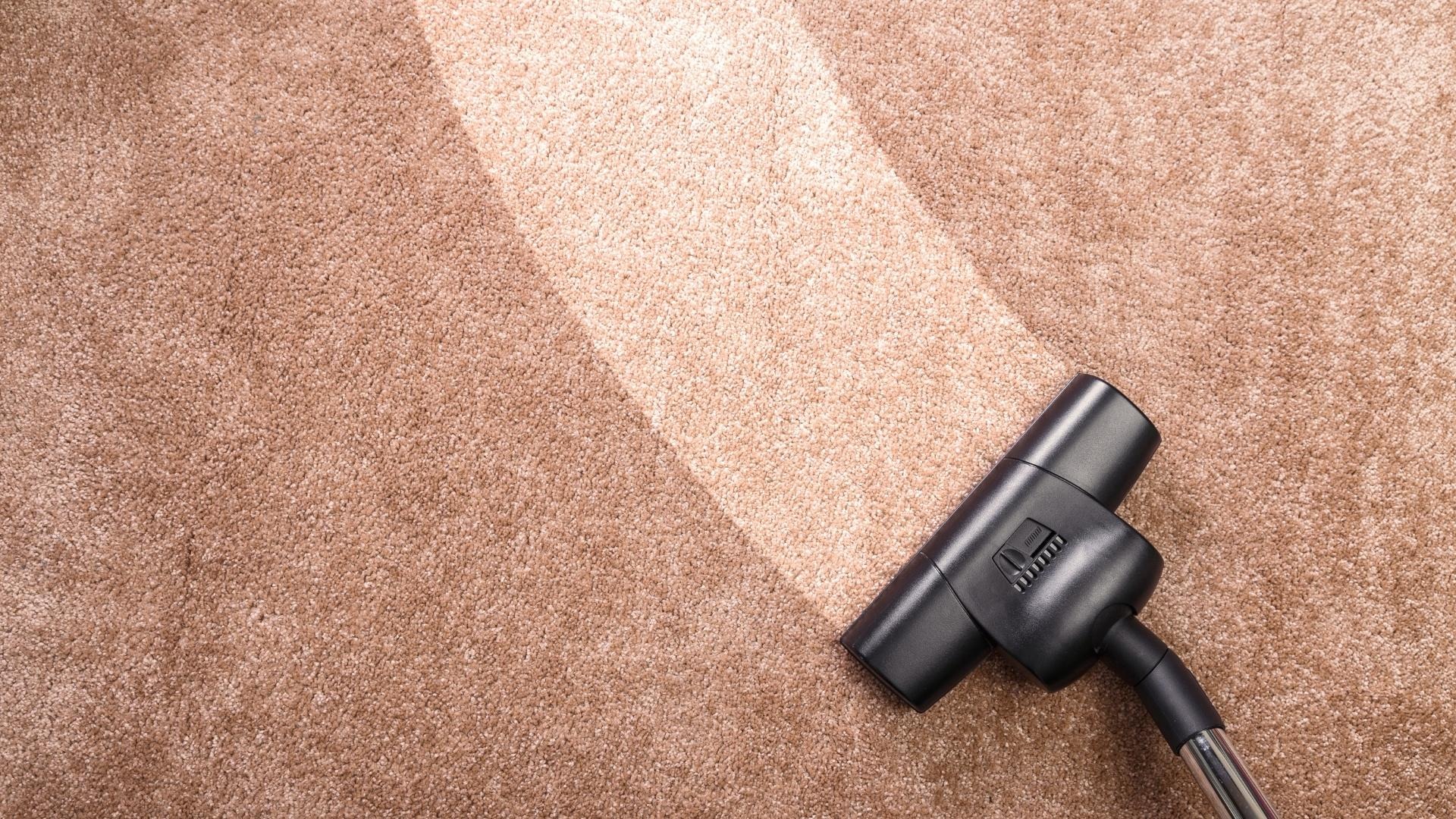
A sealed vacuum with high efficiency filtration helps reduce allergens most effectively because it removes particles while limiting how much fine dust escapes back into the room during cleaning.
Suction alone is not enough. A poorly filtered vacuum can disturb carpet dust and exhaust microscopic particles into indoor air. Filtration quality, sealed construction, and proper carpet height adjustment all influence results. Slow overlapping vacuum passes are also more effective than quick movement because allergens often sit below the top fiber layer rather than on the surface. Cleaning technique matters as much as the machine itself.
Can moisture make carpet allergies worse?
Yes, moisture can make carpet related allergy problems more serious because damp conditions support microbial growth and create an environment that helps allergens persist.
Wet spills, humidity, leaks, or improper cleaning that leaves carpets damp for too long can increase the risk of mold growth and odor. Dust mites also thrive in humid indoor environments. Fast drying after cleaning and humidity control are essential for prevention. Moisture management is one of the most overlooked parts of allergy focused carpet care.
Should allergy sufferers use professional carpet cleaning?
Professional carpet cleaning can help reduce embedded contaminants, but the method used and the drying quality matter as much as the cleaning itself.
Hot water extraction performed correctly can remove deeper soil and allergen carrying debris, while low moisture systems may help in situations where drying speed is critical. Fragranced cleaning products may irritate sensitive individuals, so residue controlled and fragrance conscious approaches are often better choices. Professional service should support regular maintenance rather than replace it.
What daily habits reduce allergens in carpeted homes?
Small daily habits reduce how much debris reaches carpet fibers and help prevent heavy buildup between deeper cleanings.
Removing shoes indoors limits outdoor particles. Entry mats catch dirt before it spreads. Pet grooming reduces dander accumulation. Quick spill response prevents moisture problems. Regular bedding washing helps reduce allergen transfer in bedrooms. Better household habits reduce the pressure placed on carpets in the first place.
What is the long term strategy for an allergy friendly carpeted home?
The best long term strategy combines routine cleaning, moisture control, filtration, and honest evaluation of carpet condition.
Older carpets with years of buildup, repeated dampness, persistent odor, or damaged padding may continue holding contaminants despite maintenance. In many homes, however, consistent cleaning and environmental control significantly reduce allergen exposure. A healthier carpeted home depends on informed care, disciplined routines, and attention to the hidden particles that influence indoor comfort every day.