Table of Contents
ToggleHome maintenance is the practice of carrying out regular, small-scale tasks that head off costly repairs and keep a property safe and comfortable for the long haul. Simple habits—routinely using a vacuum cleaner to pull dust from floors and vents, testing smoke detectors, and checking plumbing connections—can dramatically cut the risk of safety hazards and expensive emergency calls. Drawing on widely recognized guidance from building and housing professionals, this article offers practical, evergreen advice for homeowners, renters, and landlords who would rather stay ahead of problems than scramble to fix them.
Key Takeaway: Consistent, modest maintenance efforts protect your home’s safety, efficiency, and long-term value.
Contents
Understanding Home Maintenance: Safety, Efficiency, and Longevity
Routine maintenance comes down to three core concerns. The first is safety: unchecked electrical faults, water leaks, and poor ventilation rank among the leading causes of preventable home hazards. The second is energy efficiency: clean HVAC filters, properly sealed windows, and well-functioning appliances all consume noticeably less energy. The third is asset preservation: a small repair handled promptly costs a fraction of what structural damage or a full system replacement will run if the problem is left to worsen.
Top benefits of preventive maintenance:
– Reduces safety risks from fires, leaks, and electrical faults
– Lowers energy bills through efficient systems and a tight building envelope
– Protects property value by preventing structural deterioration
Building a Simple Home Maintenance Framework
A maintenance calendar is one of the most effective organizational tools you can use—and it requires no special software. A simple notebook or spreadsheet works just as well. Grouping tasks by frequency keeps the whole routine manageable:
- Monthly: Test smoke and carbon monoxide detectors; check for dripping faucets or slow drains.
- Seasonally: Inspect gutters, change HVAC filters, and look over weatherstripping and caulking.
- Annually: Inspect the roof from the ground, flush the water heater, and examine siding and exterior walls.
Tailor the list to your home’s age, climate, and particular features—a property with a fireplace, basement, or pool brings additional considerations that a generic checklist may not cover.
Health and Cleanliness: Routine Cleaning as Maintenance
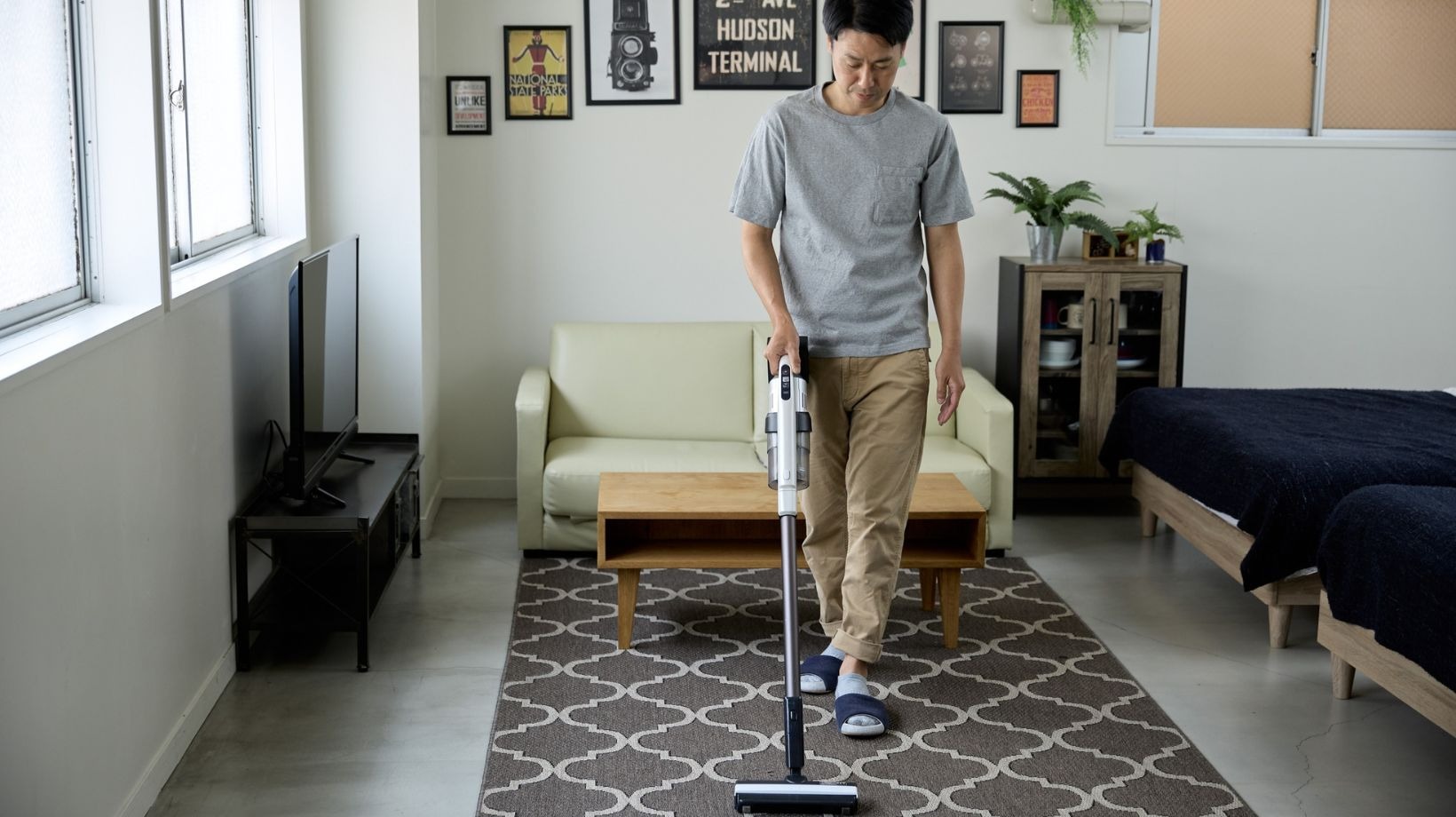
Cleaning isn’t separate from maintenance—it is maintenance. Dust and grit build up quietly, but their effects are real: degraded indoor air quality, shortened appliance lifespans, and reduced HVAC efficiency. Key cleaning tasks with direct maintenance value include vacuuming carpets, rugs, and hard floors to remove allergens and abrasive particles; clearing vents and baseboards to keep airflow unobstructed; and cleaning refrigerator coils while the appliance is unplugged to ease motor strain. Removing lint from the dryer vent deserves special mention—lint buildup is a widely recognized fire hazard, and it’s one that routine cleaning can prevent entirely.
Safety Checks Every Home Should Include
A handful of straightforward checks guard against the most serious home hazards. Test your smoke detector and carbon monoxide detector on a regular schedule and replace batteries consistently. Look over electrical outlets and cords for scorch marks or unusual smells, both of which can signal overheating. Find your main water shutoff valve before you ever need it in an emergency—knowing exactly where it is can spare you from extensive water damage. Keep flammable materials well away from heat sources, and make sure there’s adequate clearance around heaters and stoves.
Protecting the Building Envelope: Roof, Gutters, Siding, and Windows
The exterior of a home is its first line of defense against weather and moisture. Inspect the roof from the ground periodically, looking for missing shingles, sagging sections, or accumulated debris. Keep gutters and downspouts clear so water flows away from the foundation—a single overlooked blockage can lead directly to basement moisture and, eventually, structural damage. Clean siding surfaces and trim back any vegetation that contacts exterior walls to prevent rot from taking hold. Check caulking and weatherstripping around windows and doors for gaps that let in drafts and water, and address any deterioration before it spreads.
Plumbing and Indoor Systems: Preventing Leaks and Inefficiency
Slow drains, dripping faucets, and running toilets are easy to brush off, but together they waste a surprising amount of water—and each one signals a developing problem worth addressing. Change HVAC filters on the manufacturer’s recommended schedule; clogged filters force blower motors to work harder, driving up both energy consumption and wear over time. In colder climates, keep an eye on exposed pipes to prevent frozen pipes from bursting during cold snaps. For appliances like water heaters, periodic flushing clears out sediment that quietly chips away at efficiency and shortens service life.
Adapting Maintenance Routines to Your Home and Lifestyle
No two homes are quite the same. A sensible maintenance schedule accounts for your climate, the age and construction type of your home, and how many people—children and pets included—live there. Households with higher occupancy or animals may need more frequent filter changes and cleaning cycles. Whatever form it takes, the guiding principle is building a consistent routine and sticking to it. When a task exceeds your skill level or touches a safety-critical system, the right move is always to consult a licensed professional and follow manufacturer instructions.
Small, consistent maintenance steps prevent big problems. Whether you’re just getting started or refining an existing routine, begin with a manageable set of high-impact tasks—checking safety devices, swapping out filters, clearing gutters—and build steadily from there. Stay observant, act promptly on early warning signs, and always verify specific techniques against manufacturer guidance or local building codes before you proceed.
Key Takeaway:
– Safety: Regular checks of detectors, wiring, and plumbing prevent serious hazards.
– Efficiency: Clean systems and a sealed building envelope reduce energy waste.
– Longevity: Small repairs today avoid costly replacements tomorrow.