
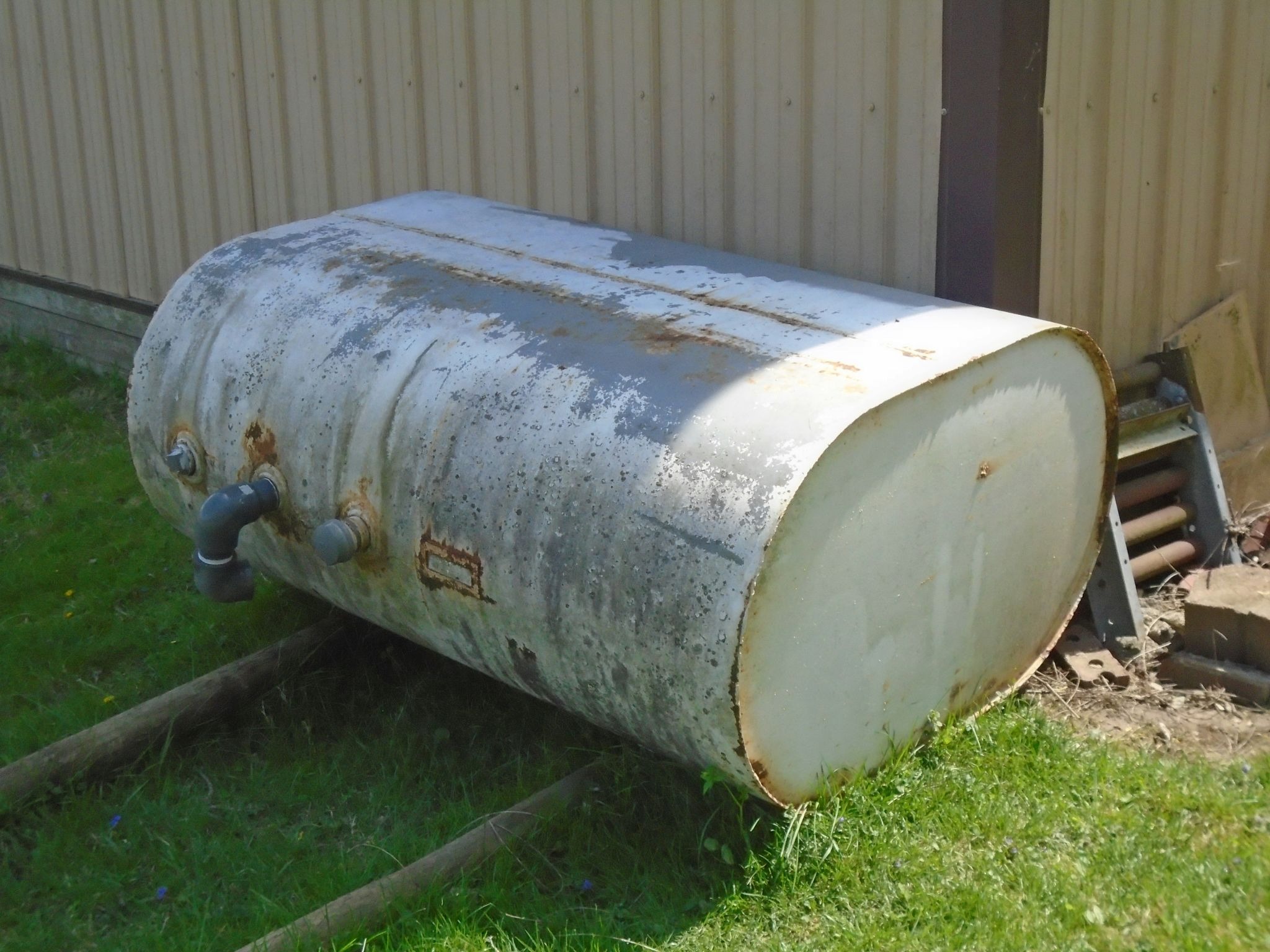
A heating oil tank may not be the most visible part of your home, but it plays a central role in keeping your property warm and functional. Like any key system, it requires regular attention to perform efficiently and safely. Proper maintenance not only extends the lifespan of your tank but also helps prevent costly repairs and environmental risks. A proactive approach ensures reliable heating throughout the year.
Start With Regular Visual Inspections
Routine visual checks are one of the simplest and most effective maintenance steps. Walk around your tank every few months and look for visible cracks, bulging, rust, or damp patches around the base. Check that the tank sits level and that the supporting surface remains stable.
Pay close attention to valves, pipes, and connection points. Even small signs of leakage should be addressed quickly. Early detection often prevents more serious damage later on. If you notice unusual odors or oil staining, contact a qualified professional to assess the situation.
Keep the Area Clear and Secure
Maintaining clear space around your tank improves both safety and efficiency. Remove debris, vegetation, and stored items that could interfere with ventilation or access. Good airflow helps prevent moisture buildup, which can contribute to corrosion.
Ensure that the tank’s lid and fill point are secure and properly sealed. A tight seal reduces the risk of water entering the tank, which can lead to fuel contamination and reduced heating performance. Water in fuel may also cause issues with your boiler, leading to inefficient combustion.
Monitor Fuel Quality and Levels
Regularly checking your oil level helps you plan deliveries efficiently and avoid running the tank too low. Allowing the tank to empty completely can draw sediment from the bottom into the heating system, potentially damaging components.
It is also wise to arrange occasional professional inspections to assess fuel quality. Sludge buildup at the bottom of the tank can affect performance over time. Periodic cleaning may be recommended depending on the age and condition of your system.
For homeowners considering upgrades or enhanced safety features, exploring modern options such as bunded oil tanks can provide improved containment and durability. These designs include an additional outer layer that helps protect against leaks and environmental risks.
Schedule Professional Servicing
While visual checks are helpful, professional servicing is essential for long-term efficiency. Qualified technicians can inspect internal components, test fittings, and verify that the tank complies with current safety standards. They can also identify early signs of wear that may not be obvious during routine checks.
Regular servicing of your heating system alongside tank maintenance ensures that both elements work together effectively. Efficient storage supports smooth fuel flow and stable combustion, reducing overall energy waste.
Protect Against Weather and Wear
Outdoor tanks are exposed to changing weather conditions. Prolonged exposure to sunlight, frost, and heavy rain can weaken materials over time. Consider protective measures such as weather-resistant coatings or covers designed specifically for oil tanks.
If your tank is older, evaluate whether replacement might be a more cost-effective option than ongoing repairs. Investing in durable materials and modern design can improve performance and reduce maintenance demands in the long term.
A Proactive Approach to Efficiency
Maintaining your heating oil tank is about more than avoiding problems. It is about supporting reliable heating, protecting your property, and ensuring efficient energy use. Through regular inspections, professional servicing, and thoughtful upgrades, you can extend the life of your system and maintain steady performance.
Long-term efficiency begins with consistent care. By giving your heating oil tank the attention it deserves, you create a safer and more dependable home environment.