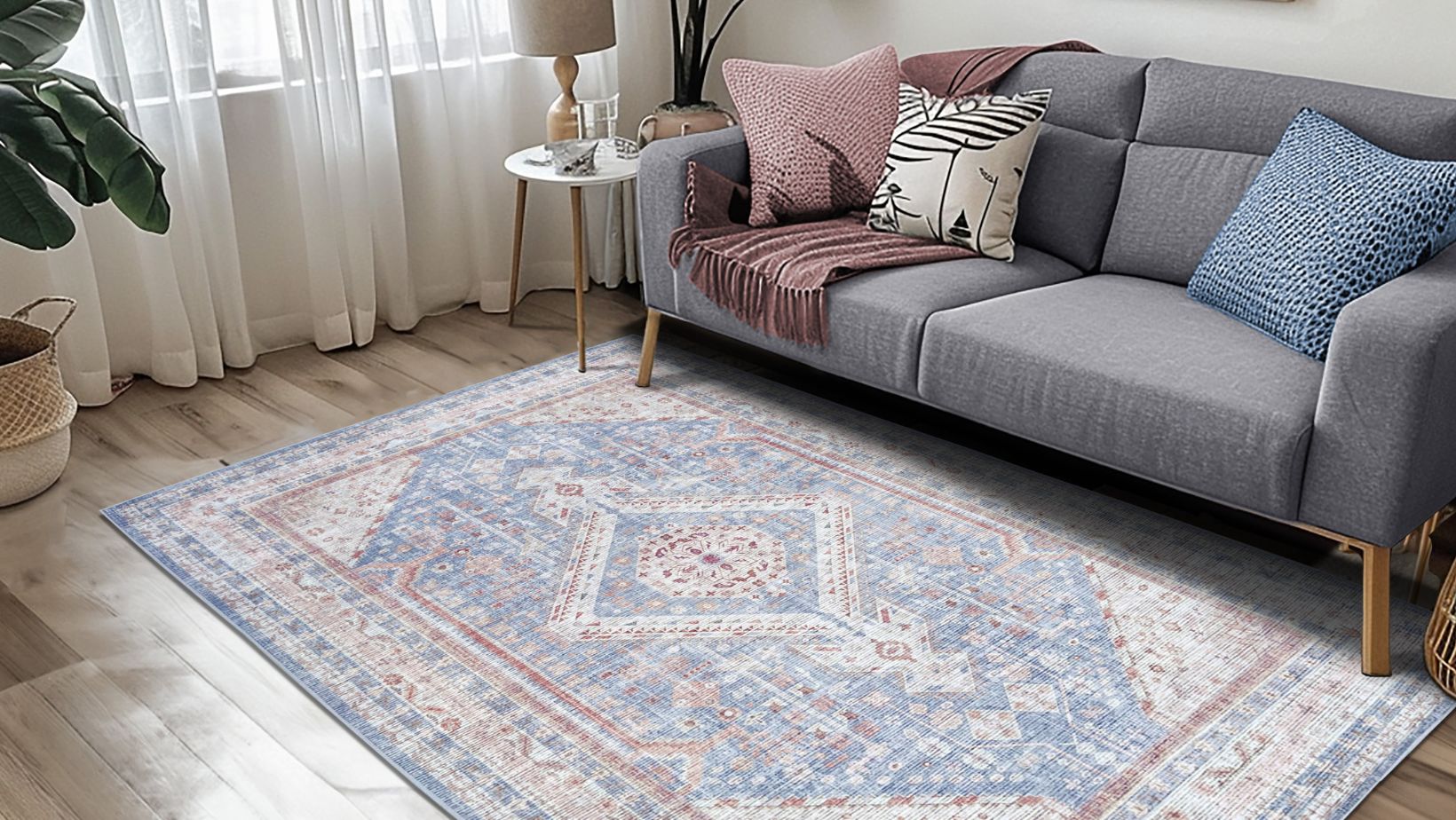
Area rugs add warmth, texture, and character to a home. They protect flooring, reduce noise, and often represent a meaningful investment, especially when crafted from natural fibers like wool or silk. Whether modern or handmade, rugs require proper care to maintain their beauty and structural integrity over time.
While routine vacuuming removes surface dust, it does not eliminate deeply embedded dirt, allergens, and oils that settle within the fibers. That buildup gradually weakens the rug’s foundation, dulls its colors, and shortens its lifespan. Understanding how often to schedule professional cleaning is essential for preserving both appearance and durability.
The ideal cleaning frequency depends on traffic levels, pets, children, and environmental conditions.
Why Regular Professional Cleaning Matters
Even rugs that appear clean can hold significant amounts of soil beneath the surface. Dirt particles work into the base of the fibers and act like abrasive material. With repeated foot traffic, friction slowly damages the structure.
Over time, rugs accumulate:
- Dust and allergens
- Pet dander
- Food particles
- Body oils
- Outdoor pollutants
Professional cleaning removes deeply embedded debris that standard household equipment cannot reach. Proper rug washing involves thorough dusting, controlled washing, careful rinsing, and regulated drying to prevent shrinkage or dye bleeding.
Routine maintenance restores vibrancy, improves indoor air quality, and protects the internal construction of the rug.
General Recommendation: Every 12–18 Months
For most households, professional rug cleaning every 12 to 18 months is sufficient. This schedule works well for rugs placed in moderate-traffic areas without frequent spills or pets.
An annual or biannual cleaning helps:
- Remove deeply embedded soil
- Restore color clarity
- Prevent premature fiber wear
- Eliminate allergens
- Maintain overall freshness
For homeowners seeking long-term protection for their rugs, partnering with experts like Thomas Rug Cleaning, a professional rug cleaning company in Los Angeles, ensures each piece is carefully evaluated and cleaned according to its fiber type, age, and overall condition.
Waiting until a rug looks visibly dirty is not ideal. By the time staining or dullness appears, debris has already accumulated within the foundation.
High-Traffic Areas: Every 6–12 Months
Rugs located in entryways, hallways, and living spaces experience heavier use. Shoes track in dirt, moisture, and outdoor contaminants that settle quickly into fibers.
In these areas, cleaning every 6 to 12 months is recommended. Increased foot traffic leads to faster soil buildup, compressed fibers, and uneven wear patterns. Regular professional care prevents long-term structural damage and keeps rugs looking balanced and refreshed.
Homes with Pets or Children
Households with pets or young children typically require more frequent cleaning, often every 6 to 9 months.
Pets introduce hair, dander, and natural oils that embed deeply into rug fibers. Accidents can penetrate the base of the rug, causing persistent odors if not treated properly. Children contribute to spills, crumbs, and increased activity on rugs.
Professional washing neutralizes odors at the source and removes contaminants that basic surface cleaning cannot fully eliminate.
Antique and Handmade Rugs
Hand-knotted, silk, Persian, and antique rugs require specialized care. Natural dyes and delicate weaves can be sensitive to aggressive cleaning methods.
Even lightly used heirloom rugs should be evaluated every one to two years. Gentle cleaning preserves both fiber integrity and color stability, helping maintain the rug’s long-term value.
Signs Your Rug Needs Cleaning Sooner
In addition to following a schedule, certain warning signs indicate that a rug may need immediate attention:
- Persistent odors
- Visible stains
- Dull or faded colors
- Stiff or matted fibers
- Increased allergy symptoms indoors
- Excess dust released when shaken
Addressing these issues promptly helps prevent deeper structural damage.

Why DIY Cleaning Isn’t Enough
Rental carpet machines and store-bought cleaners may improve surface appearance temporarily, but they often leave moisture trapped in the rug’s foundation. This can lead to:
- Mold or mildew growth
- Dye bleeding
- Fiber shrinkage
- Incomplete soil removal
Area rugs differ structurally from wall-to-wall carpeting. They require controlled washing and drying processes designed specifically to protect their construction.
Professional facilities are equipped to clean rugs thoroughly while minimizing the risk of damage.
Final Thoughts
So how often should you get professional rug cleaning? For most homes, every 12 to 18 months is appropriate. However, households with pets, children, or heavy foot traffic may benefit from cleaning every 6 to 12 months.
Consistent professional maintenance protects your investment, preserves structural integrity, and ensures your rug continues to enhance your space for many years.