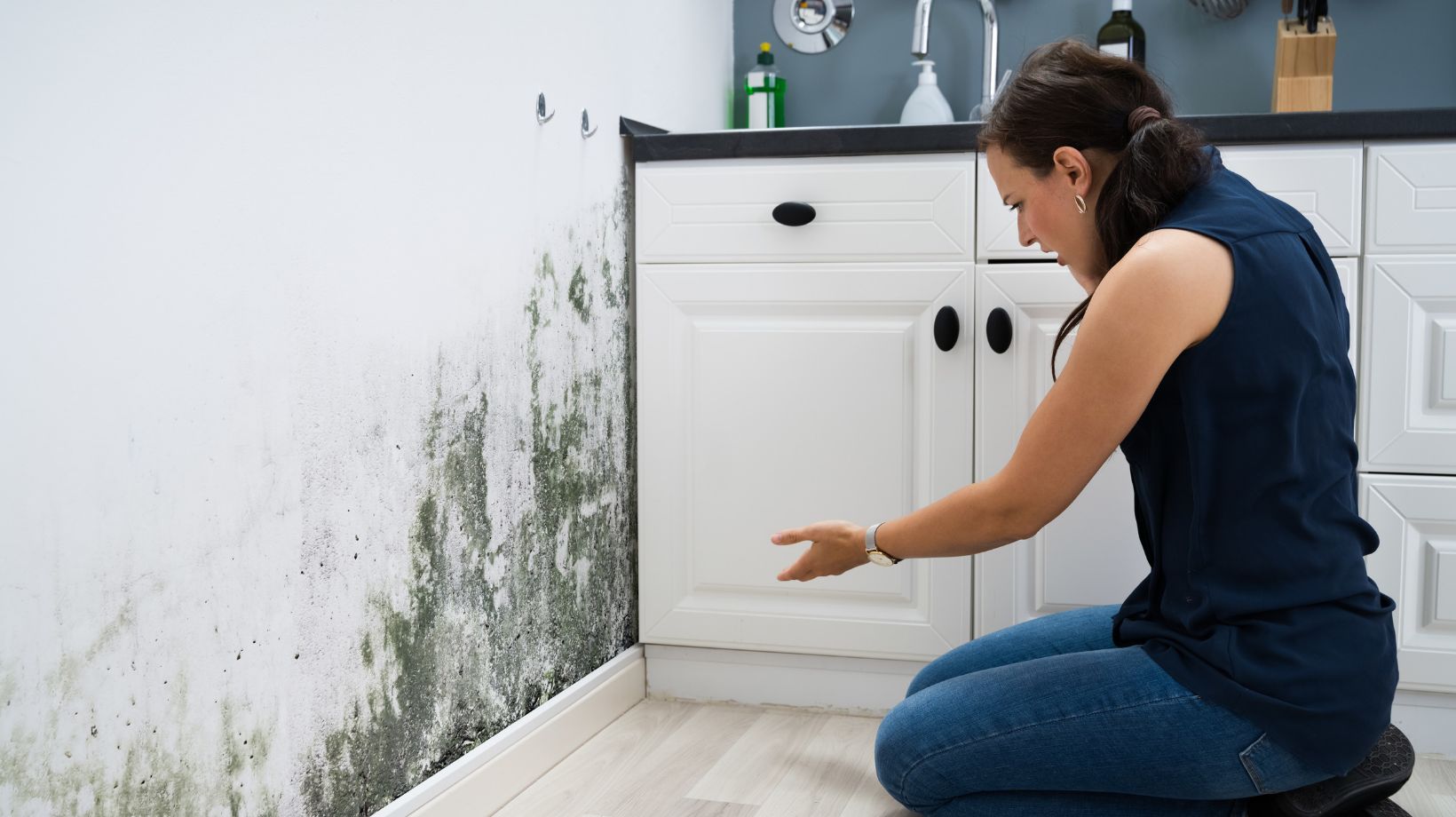
You know the feeling. You’ve just landed in a new city, excited for a month of exploration and focused work. You drop your bags in the “luxury furnished apartment” you booked, crack open your laptop, and realize the grim reality. The “workspace” is a wobbly kitchen table shoved into a dark corner. The chair is a rigid wooden slat designed for a twenty-minute meal, not an eight-hour deep work session. And the Wi-Fi? It struggles to load your email, let alone host a Zoom call without freezing your face in an unflattering grimace.
This is the “productivity tax” of modern travel. It’s the back pain, the technical anxiety, and the lost hours spent hunting for a coffee shop with a decent signal.
For years, the housing market treated remote work as a niche trend. But that era is over. According to Forbes, 32.6 million Americans are expected to work remotely by 2025. That’s nearly 22% of the workforce who require more than just a place to sleep—they need a headquarters.
Why “Furnished” Isn’t Enough
The term “furnished apartment” is a relic of a different time. Traditionally, it catered to two groups: corporate relocations (where bland functionality was key) and vacationers (who prioritized leisure amenities).
Scan through standard listing platforms, and you will see the bias immediately. Hosts highlight the thread count of the sheets, the size of the smart TV, and access to the pool. The workspace—if there is one—is often an afterthought, usually a tiny decorative desk tucked into a hallway or a laptop stand on a nightstand.
For the modern professional, this prioritization is backward. A pool is nice, but it won’t help you ship code or close a deal. When your livelihood depends on your output, your environment must facilitate focus, not hinder it.
Selecting work-ready monthly furnished apartments ensures that your home environment actually matches your professional requirements. Instead of settling for a rental that happens to have a chair, you can opt for a space where the layout is designed around a functional workday. This approach ensures that your home environment supports your output rather than forcing you to work from a kitchen counter or a sofa. By choosing a rental that treats your workspace with the same importance as the living area, you can maintain your professional routine from day one without the typical frustrations of a makeshift office.
The Connectivity Non-Negotiables
Internet anxiety is the silent killer of the remote lifestyle. There is nothing worse than the adrenaline spike of a dropped connection five minutes before a stakeholder presentation. To prevent this, you must stop accepting “Wi-Fi available” as a guarantee of quality.
Most residential internet packages are asynchronous, meaning download speeds are high, but upload speeds are throttled. A listing might boast “100 Mbps internet,” which is great for streaming Netflix, but if the upload speed is only 5 Mbps, your video feed will pixelate the moment you try to screen share.
The connection speed is only as good as the hardware delivering it. In many large apartment complexes or hotels, the building relies on a shared network. During peak hours (like 8:00 PM when everyone is streaming), your bandwidth plummets.
The Ergonomic Standard: Protecting Your Body
Working from a dining chair is sustainable for a weekend. Doing it for a month is a recipe for chronic pain. When you treat your accommodation as your office, furniture becomes a matter of physical health.
The data is clear on this. According to EHS Practice, implementing proper ergonomic setups can reduce musculoskeletal issues by up to 61%. That is a massive difference in your long-term well-being and daily energy levels.
Lease & Booking Flexibility
The traditional rental market is rigid, bureaucratic, and slow. It operates on the assumption that you will stay for a year, buy your own furniture, and spend three days on the phone with utility companies.
For the high-performance nomad, agility is key. You cannot afford to be bogged down by credit checks, large security deposits, or the logistical nightmare of setting up electricity and internet accounts in every new city.
The Problem with the 12-Month Lease
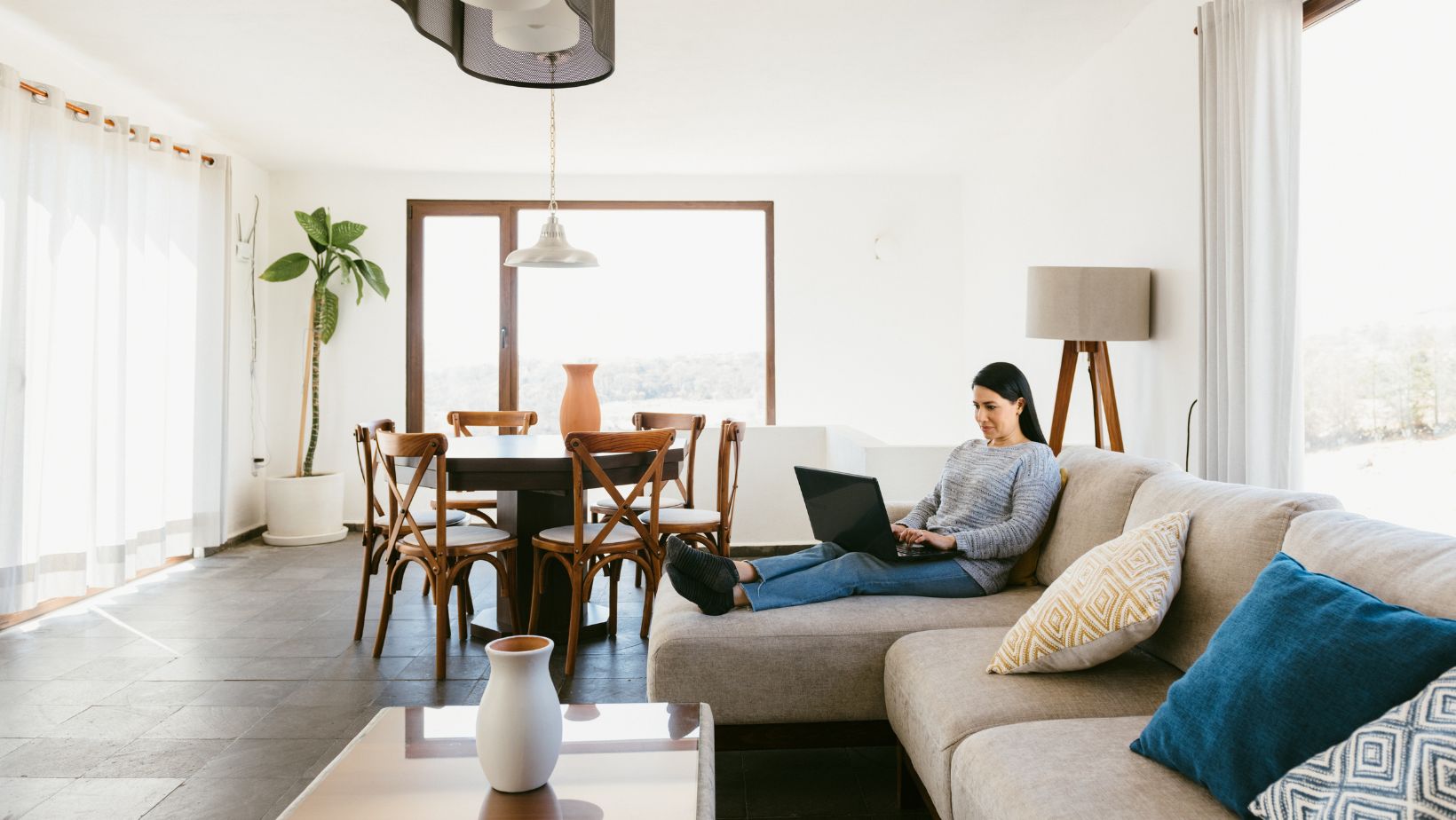
Standard leases kill mobility. They lock you into a single location and often come with severe penalties for breaking the contract early. Furthermore, the “unfurnished” nature of these leases means you spend the first week of your stay building IKEA furniture and the last week trying to sell it.
Flexible Terms
Look for flexible terms that allow for stays of 30 days or more without a long-term commitment. This “month-to-month” furnished apartments structure gives you the freedom to extend your stay if you love the city or pack up and move to your next destination with a single click—no landlord negotiations or roommate interviews required.
The “Soft” Productivity Factors
Once the technical specs are met, you must consider the environmental factors. These are the subtle details that you might not notice in a listing description, but you will definitely notice when you are trying to focus.
Lighting
Lighting dictates mood and energy. A dark apartment with a single overhead bulb is depressing and bad for video calls. Look for workspaces positioned near windows to maximize natural light. Natural light regulates your circadian rhythm, helping you sleep better and stay alert during the day. For evening work, task lighting (desk lamps) is essential to reduce eye strain.
Noise Control
A beautiful apartment on Main Street might seem appealing until you realize the windows are single-pane and the bus stop is right outside. Noise pollution is a major distractor.
- Check the map: Avoid units directly facing major avenues, train tracks, or nightlife districts unless the listing specifically mentions soundproofing or double-pane windows.
- Read reviews: Search for keywords like “street noise,” “thin walls,” or “neighbors.”
The 15-Minute City
Your furnished apartment is your HQ, but the neighborhood is your campus. The “15-minute city” concept—where daily necessities are within a short walk or bike ride—is vital for work-life balance.
- Proximity to Gyms: Can you get a workout in without a 30-minute commute?
- Coffee Shops: Is there a “third space” nearby for when you need a change of scenery?
- Groceries: Can you grab fresh food easily?
Conclusion
As a remote professional, your accommodation is more than just a backdrop for your Instagram photos—it is the foundation of your career. The “kitchen table” standard is a compromise you no longer have to make.
The market is shifting. We are moving away from the era of “furnished” and into the era of “equipped.” By demanding gigabit internet, ergonomic furniture, and flexible terms, you aren’t being difficult; you are being professional.
Your productivity, your health, and your peace of mind are worth the extra scrutiny. Stop settling for a place to sleep and start demanding a place that works as hard as you do. When you prioritize your environment, you aren’t just booking a rental; you are investing in your own success.