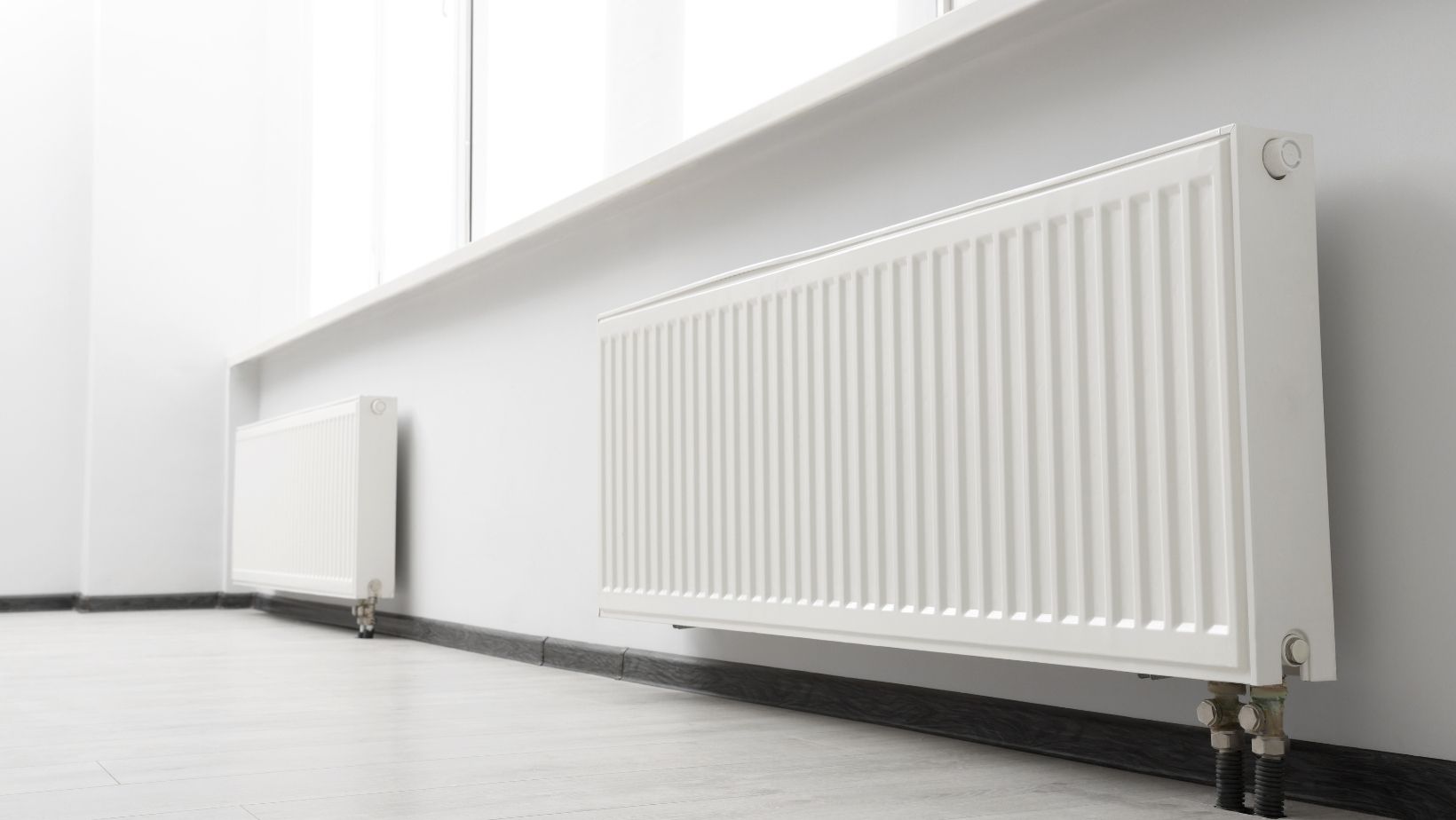
Maintaining your home radiators is crucial to ensure they provide consistent heat and operate efficiently over the years. Proper maintenance can significantly extend the lifespan of your radiators, saving you money and effort in the long run. Whether you have a traditional or modern heating system, knowing how to care for your radiators will make sure they perform optimally. For quality radiators, check out amazing options from Stelrad radiators.
Understanding the Basics of Radiator Maintenance
To maintain home radiators effectively, it is essential to understand how they work. Radiators function by heating water in a boiler and circulating it through pipes to various radiators throughout the home. Over time, these systems can accumulate dust, air pockets, and sludge, diminishing performance. By knowing the basics of how radiators operate, you can better manage and maintain them.
Regular Bleeding of Radiators
One of the simplest yet effective maintenance tasks is bleeding your radiators. Over time, air can become trapped within the radiator, causing them to heat unevenly or make gurgling noises.
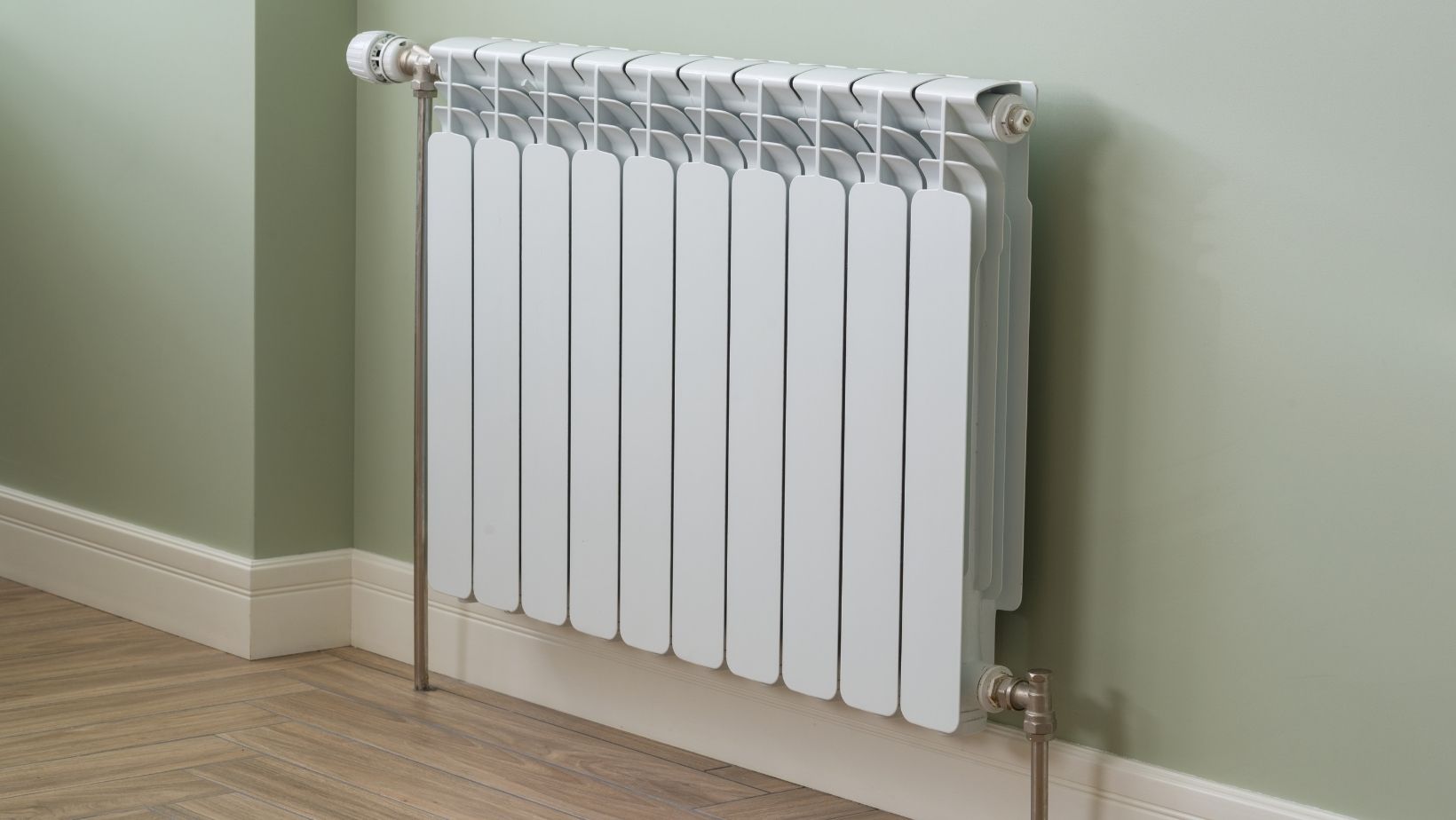
Regular bleeding releases this trapped air, allowing the radiator to fill with hot water properly. To bleed your radiator, you’ll need a radiator key to open the valve and a cloth to catch any water that might drip. Perform this task at least once a year or when you notice cold spots at the top of the radiator.
Flushing Your Radiator System
Flushing your radiator system helps remove sludge and debris that accumulate over time. This build-up can cause blockages, reducing the efficiency of your radiators. Flushing involves draining the entire heating system and refilling it with clean water. While this can be done as a DIY task, hiring a professional may ensure thoroughness and prevent issues during the process. Consider flushing your system every 5-6 years, or sooner if you notice frequent blockages.
Inspecting for Leaks and Damage
Regularly inspecting your radiators for any signs of leaks or damage can prevent more extensive issues down the line. Check the radiator valves, connectors, and the radiator’s surface for any visible signs of rust or water leaks. If you notice any leaks, it may be necessary to replace washers or seals. Additionally, be mindful of any unusual noises or temperature fluctuations, which could indicate underlying issues needing attention.
Optimising Radiator Performance
To optimise performance, ensure your radiators are unobstructed by furniture or heavy drapery. Allowing free airflow around the radiator will enable it to heat the room more effectively. Additionally, using radiator reflectors can help by reflecting heat back into the room rather than letting it escape through external walls. Finally, adjusting the thermostat to slightly lower settings when heating is not crucial contributes to both energy efficiency and the longevity of the heating system.
With these maintenance tips, you can significantly extend the lifespan and efficiency of your home radiators. Regular checks and simple upkeep not only ensure a warm and comfortable home but also save money on energy bills and prevent costly repairs. Remember that consistency is key, and the small efforts made in maintaining your radiators will enrich your living environment for years to come.