Table of Contents
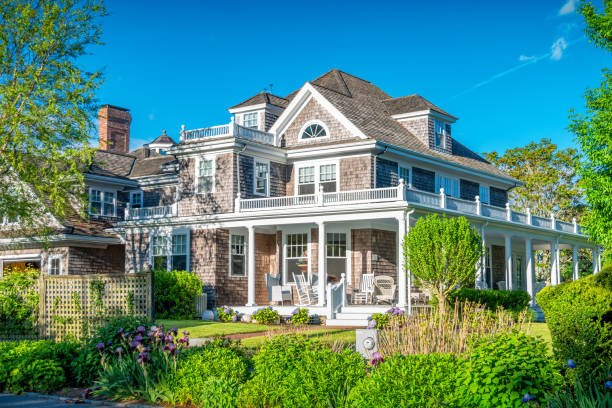
ToggleA well-designed yard does more than boost curb appeal. It creates a space you can enjoy every day while increasing property value over time. Whether you are upgrading your outdoor space or starting from scratch, smart landscaping decisions make the difference between a yard that struggles and one that thrives.
Here is why planning matters. Climate, soil, and layout all affect how your landscape performs. When you take a thoughtful approach, you reduce maintenance, save water, and get better long-term results.
Let’s break it down.
Contents
Start With Your Environment
Every successful landscape begins with understanding your surroundings. Even if you are not in a dry region, weather patterns and soil conditions still play a major role.
According to the Utah Climate Center, areas with seasonal temperature swings require plants and materials that can handle both heat and cold. This applies to many parts of the country, not just one location.
Focus on:
- Soil quality and drainage
- Sun and shade patterns
- Seasonal temperature changes
When you design with these factors in mind, your yard becomes easier to manage.
1. Choose Water-Wise Landscaping
Water efficiency is one of the most practical upgrades you can make.
The U.S. Environmental Protection Agency reports that outdoor water use can account for nearly 30% of household consumption. Smart landscaping can reduce that significantly.
Here are simple ways to start:
- Use drought-tolerant plants where possible
- Replace some lawn areas with ground cover or gravel
- Group plants with similar watering needs
These steps help conserve water while keeping your yard healthy.
Next steps: Visit a local garden center to find plants suited to your region.
2. Design for How You Live
A yard should match your lifestyle, not just look good in photos.
Think about how you use your outdoor space:
- Do you host gatherings?
- Do you want a quiet retreat?
- Do you need space for kids or pets?
Once you know your priorities, you can design with purpose.
Consider adding:
- A seating or dining area
- Walkways for easy movement
- Defined zones for different activities
This approach turns your yard into a functional extension of your home.
3. Upgrade Your Irrigation System
Watering systems often go unnoticed until something goes wrong.
Traditional sprinklers can waste water through runoff or evaporation. Modern systems solve that problem.
Look into:
- Drip irrigation for targeted watering
- Timers that adjust based on weather
- Smart controllers for efficiency
These upgrades reduce waste and help plants grow more consistently.
4. Add Structure With Hardscaping
Plants bring life to your yard, but structure comes from hardscaping.
Features like stone paths, retaining walls, and patios create balance and usability.
Benefits include:
- Improved drainage
- Reduced erosion
- Clear visual layout
Hardscaping also lowers maintenance by reducing the amount of lawn or plant care needed.
5. Plan for Year-Round Appeal
Many homeowners focus only on spring and summer. That is a missed opportunity.
A strong landscape looks good in every season.
Add elements like:
- Evergreens for winter color
- Plants with fall foliage
- Outdoor lighting for darker months
This keeps your yard visually appealing all year.
6. Improve Curb Appeal With Simple Changes
You do not need a full renovation to make an impact.
Small updates can transform your front yard:
- Refresh mulch or decorative stone
- Trim overgrown plants
- Define edges along walkways
These details create a clean, polished look that stands out.
7. Avoid Common Landscaping Mistakes
Let’s keep it practical. Here are mistakes to watch for:
- Overwatering plants
- Choosing plants that do not match your climate
- Ignoring drainage issues
- Planting too close together
- Skipping long-term planning
Avoiding these issues saves time and money down the line.
Bringing It All Together
Smart landscaping is about balance. You want a yard that looks great, functions well, and stays manageable over time.
Start with a clear plan. Focus on your environment, your lifestyle, and your long-term goals. Build your design step by step so each element works together.
Next Steps
If you are ready to upgrade your outdoor space, consider working with experienced professionals who understand both design and maintenance. A team like Activescapes Landscaping and Snow Removal can help bring your vision to life with practical solutions tailored to your property.