Designing a beautiful garden does not have to mean spending hours every week on upkeep. For busy homeowners, a low-maintenance garden offers the perfect balance between aesthetics and practicality. With the right planning and smart choices, you can create an outdoor space that looks great year-round without requiring constant attention. By focusing on efficiency, sustainability, and thoughtful design, maintaining your garden becomes much easier and more enjoyable. Follow the following three tips to do so:
- Choose the Right Plants for Your Environment
One of the most important steps is selecting plants that naturally thrive in your local climate. Native and drought-resistant plants are excellent choices because they require less water, fertilizer, and overall care. These plants are already adapted to local soil and weather conditions, making them more resilient and easier to manage. Examples of common drought-resistant plants include:
- Aloe vera
- Agave
- Bougainvillea
- Portulaca
- Zinnia
- Cosmos
- Oleander
- Sedum
Perennials are another great option, as they return year after year without needing to be replanted. Unlike seasonal plants, they reduce the amount of work required each growing season. Additionally, grouping plants with similar water and sunlight needs together can simplify care routines and prevent overwatering or neglect. By choosing the right plants from the beginning, you minimize the need for constant adjustments, replacements, and maintenance tasks. Examples include:
- Lavender
- Rosemary
- Peony
- Daylily
- Hosta
- Chrysanthemum
- Coneflower
- Black-eyed Susan
- Mint
- Thyme
- Incorporate Smart Irrigation and Hardscaping
Efficient watering systems play a key role in reducing garden maintenance. Installing soaker hoses or drip irrigation ensures that water is delivered directly to plant roots. This minimizes waste, prevents overwatering, and also makes your garden more sustainable. These systems can also be connected to timers, allowing for automatic watering without daily supervision.
Hardscaping elements such as patios, decking, and stone features can further reduce the amount of space that requires regular care. These features enhance the visual appeal of your home and also provide functional outdoor living areas. By balancing greenery with hard surfaces, you create a landscape that is both attractive and easy to maintain, and it also ultimately increases your home’s value.
Thoughtful design choices, such as clear pathways and defined planting areas, also make it easier to manage your garden over time. If you want to look at other landscaping options for your lawn, you can enlist the services of professionals from SkyFrog Landscape.
- Reduce Lawn Space and Use Mulch Effectively
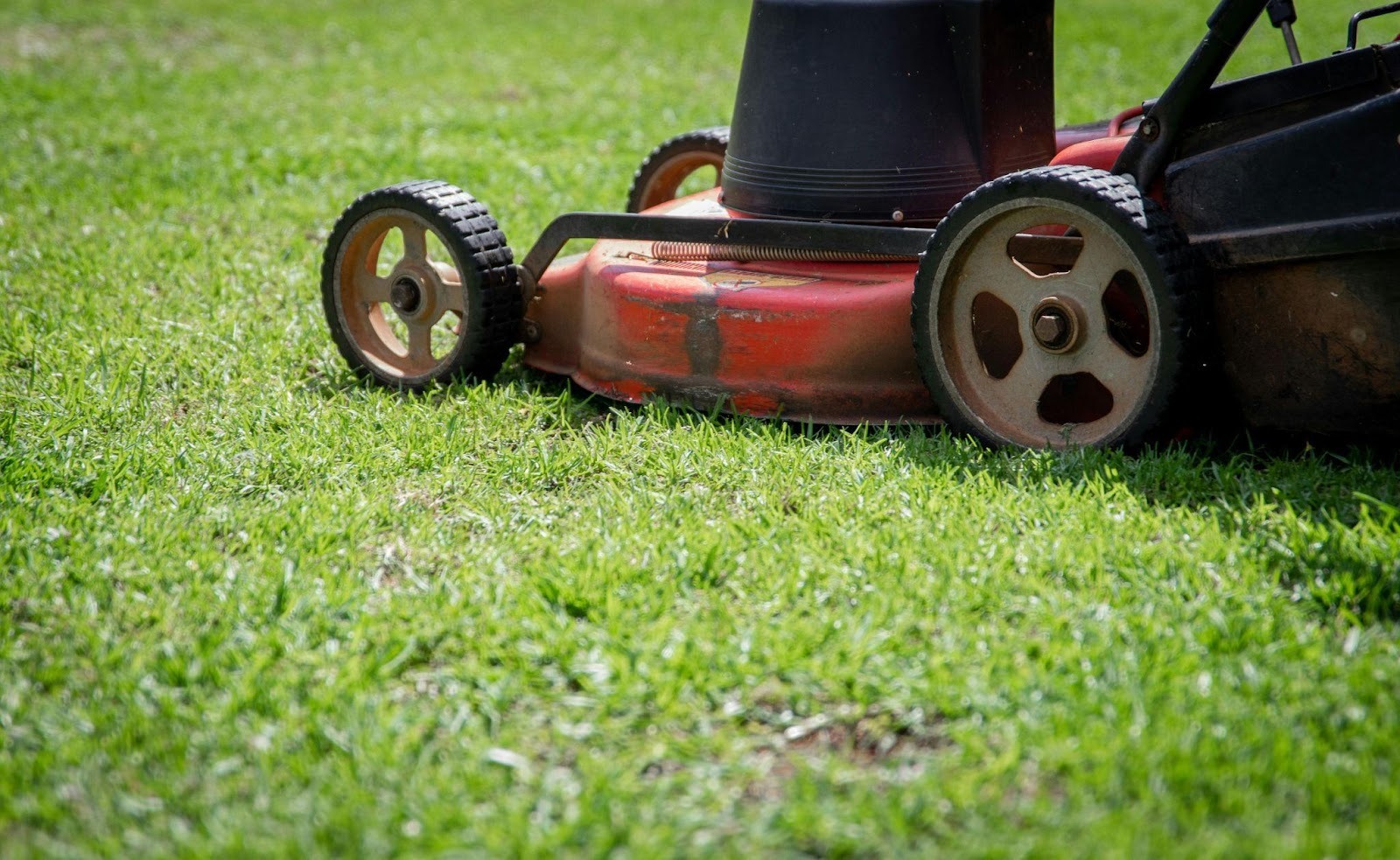
Traditional lawns often require significant maintenance, including regular watering, mowing, and fertilizing. Reducing the size of your lawn can dramatically cut down on these tasks. Instead of large grassy areas, consider incorporating gravel, stone pathways, or ground cover plants that require less upkeep.
Mulch is another essential element in a low-maintenance garden. Applying layers of mulch around plants can help soil retain moisture by reducing evaporation. It also suppresses weed growth by blocking sunlight and keeps the roots cooler in the heat to regulate soil temperature. Prevention of soil erosion and compaction is another benefit. There are two main types of mulch: organic, which breaks down over time, and inorganic. Common examples of organic types include:
- Wood chips
- Bark
- Straw
- Leaves
- Compost
Organic mulch improves soil quality as it breaks down. This reduces the need for frequent watering and weeding, saving both time and effort.
Inorganic types mostly include:
- gravel
- stone
- plastic sheets
These types are long-lasting as they don’t decompose, are low maintenance because they don’t require frequent replacement, and are good for decorative purposes. However, common disadvantages include no improvement in soil quality, the tendency to heat up, stressing plant roots in hot climates, and difficult removal or replacement. Inorganic mulch also has poor nutrient contribution, and plastic mulch can also block water and air if you misuse it.
Endnote
Creating a low-maintenance garden is all about making smart, intentional choices from the start. By selecting suitable plants, reducing lawn space, and incorporating efficient irrigation and hardscaping, busy homeowners can enjoy a beautiful outdoor space without the burden of constant upkeep. With a well-planned design, your garden can remain vibrant and inviting while requiring minimal time and effort to maintain.