Table of Contents
ToggleCreating an outdoor space that is both visually appealing and long-lasting requires more than just a good design. While layout, plant selection, and aesthetics are important, the materials used in landscaping often determine how well a space holds up over time. As homeowners increasingly invest in their outdoor environments, the focus is shifting toward durability, sustainability, and long-term value.
Contents
Why Material Quality Matters in Landscaping
Landscaping is exposed to constant environmental stress, from changing weather conditions to soil movement and moisture fluctuations. Low-quality materials may initially appear cost-effective, but they often degrade quickly, leading to higher maintenance costs and frequent replacements.
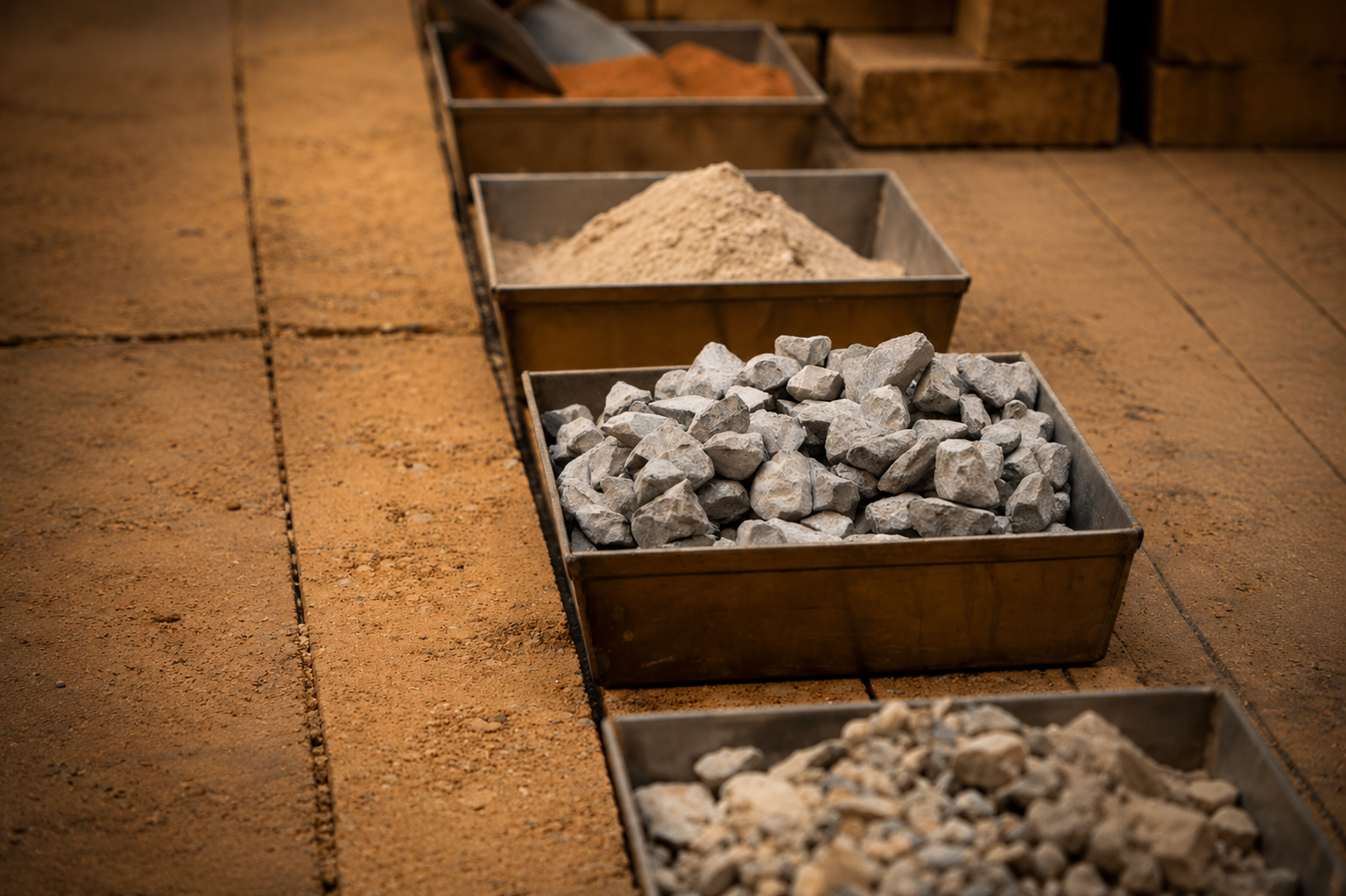
High-quality materials, on the other hand, provide structural integrity and visual consistency over time. Whether it’s paving stones, soil blends, or retaining wall blocks, investing in better materials ensures that outdoor features remain stable and attractive for years.
Durability and Climate Resistance
Outdoor spaces must endure a range of environmental conditions, including heavy rainfall, temperature changes, and prolonged sun exposure. Materials that are specifically designed for landscaping are better equipped to resist cracking, erosion, and fading.
This resilience is especially important considering that soil erosion alone affects vast areas of land globally, with studies showing that nearly 80% of agricultural land experiences moderate to severe erosion. Using durable materials helps counter similar degradation in residential landscapes, reducing the need for ongoing repairs and preserving the integrity of outdoor designs.
The Connection Between Materials and Design Longevity
A well-designed landscape is only as strong as the materials used to build it. Even the most thoughtfully planned outdoor space can lose its appeal if the materials fail prematurely. Quality materials support the structural elements of landscaping, from pathways and patios to garden borders and drainage systems. It also helps with:
1.Enhancing Structural Stability
Retaining walls, walkways, and outdoor seating areas all rely on materials that can handle weight and pressure. Substandard products may shift or settle unevenly, creating safety hazards and diminishing the overall look of the space. Choosing reliable materials ensures that these features remain secure and functional.
2.Supporting Plant Health
It’s not just hardscape elements that benefit from quality materials; softscape components do as well. Soil composition, mulch quality, and proper drainage materials all play a role in plant health. Poor-quality soil, for example, may lack essential nutrients or proper structure, leading to weak plant growth and increased maintenance needs.
Sustainability and Long-Term Value
Sustainable landscaping is becoming a priority for many homeowners, and material selection plays a key role in achieving this goal. Durable materials reduce waste by minimizing the need for replacements, while responsibly sourced products contribute to environmentally conscious design.
This is increasingly important as construction and demolition waste accounts for over 30% of total solid waste in many countries. Choosing longer-lasting landscaping materials can significantly reduce this footprint while supporting more sustainable outdoor environments. Other ways it helps include:
1.Reducing Environmental Impact
Using materials that last longer means fewer resources are consumed over time. Additionally, many modern landscaping products are designed with sustainability in mind, incorporating recycled components or eco-friendly production methods. This approach aligns with the growing demand for greener living spaces.
2.Cost Efficiency Over Time
While high-quality materials may involve a higher upfront investment, they often result in significant savings in the long run. Reduced maintenance, fewer repairs, and longer lifespans all contribute to better overall value. Homeowners are increasingly recognizing that durability and performance outweigh initial cost savings.
Choosing the Right Materials for Your Outdoor Space
Selecting the right materials involves balancing aesthetics, functionality, and environmental considerations. Each component of a landscape serves a specific purpose, and choosing materials that align with those needs is essential for achieving the desired outcome. You should consider:
1.Matching Materials to Function
Different areas of a landscape require different types of materials. For example, pathways need slip-resistant surfaces, while garden beds benefit from nutrient-rich soil and effective moisture retention. Understanding these requirements helps ensure that each element performs as intended.
2.Accessing Reliable Resources
For homeowners and professionals alike, sourcing dependable materials is a crucial step in the landscaping process. While exploring reliable options for high-quality-landscape supplies, it is important to select products that meet both functional and aesthetic needs. Access to trusted information makes it easier to make informed decisions that enhance the longevity of outdoor spaces.
Endnote
Modern landscaping goes beyond visual appeal. It requires careful planning, thoughtful design, and the use of materials that can withstand the test of time. By prioritizing quality, homeowners can create outdoor environments that remain beautiful, functional, and sustainable.