Table of Contents
ToggleGot two quotes for your outdoor area, one recommending concrete and one recommending pavers, and now you’re more confused than when you started? You’re not alone. For most homeowners, this decision feels high-stakes: it’s thousands of dollars, it’s permanent, and everyone seems to have a different opinion.
This guide cuts through the noise. We’ll break down the honest pros and cons of both options in plain English, no jargon, no upselling, so you can walk away with a clear answer that actually fits your home, your budget, and your lifestyle. Let’s start with the basics.
Contents
1. What’s the Actual Difference? (Plain English)
Concrete is poured as one continuous slab and sets solid, much like a single large tile covering your whole area. Pavers, on the other hand, are individual pieces, whether brick, stone, or concrete blocks, laid one by one over a compacted base. Because pavers require more labour and material handling, they generally cost more to install. As for why different tradies recommend different things: some specialise in one method, some have supplier relationships, and some will simply quote what’s easiest for them. Neither is automatically right for your situation, as that depends on how you plan to use the space.
2. The Case for Concrete: Where It Wins
Concrete is the go-to choice when you need to cover a large area without blowing your budget. It’s faster to install, requires fewer labour hours, and once it’s down, it largely takes care of itself with no weeding and no shifting pieces. It works particularly well for driveways, side paths, and utility areas where function matters more than aesthetics. The trade-off is that concrete cracks over time, especially in areas with ground movement or tree roots nearby. When it cracks, you can’t simply replace one section, and restoring it to a seamless finish is difficult.
3. The Case for Pavers: Where They Shine
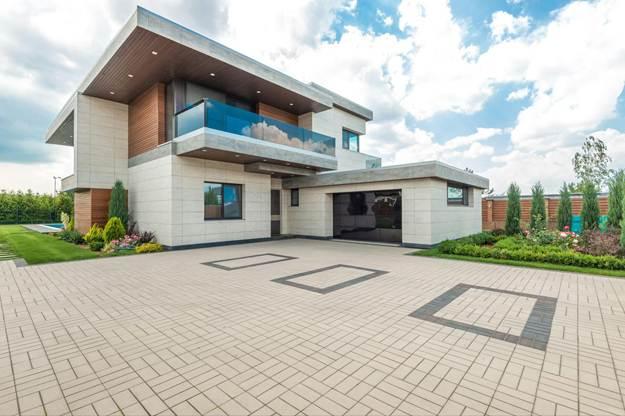
If you’re creating an outdoor entertaining area, a front entrance, or a feature pathway, pavers give you something concrete simply can’t: design flexibility. You can choose from a wide range of colours, shapes, and laying patterns to match your home’s style. Pavers also add kerb appeal and are known to contribute positively to resale value. The practical upside is repairability: if one paver cracks or shifts, you replace just that piece. The downside is cost, as pavers carry a higher upfront price, and they do require occasional maintenance, particularly keeping the joints between pieces clear of weeds and debris.
4. The Real Decision Comes Down to These 3 Questions
Before you choose, ask yourself three things: What is this space actually for? What’s your budget now, and how much ongoing maintenance are you willing to do later? And how long are you planning to stay in this home? Your answers will point you in the right direction. If you want the lowest upfront cost with minimal ongoing effort, concrete is the practical choice. If you want something that looks great, lasts longer, and can be repaired piece by piece, pavers are worth the investment. There’s no wrong answer, only the one that fits your situation.
Ready to Make the Call?
There’s no universally right answer here, only the right answer for your space, your budget, and your plans. You now have what most people don’t when they call a tradie: the right questions to ask. When you’re ready to move forward, get in touch with a trusted team specialising in paving in Perth for an honest, no-pressure quote tailored to your property. You now know more than most people who’ve already made this decision, so trust that.