
Table of Contents
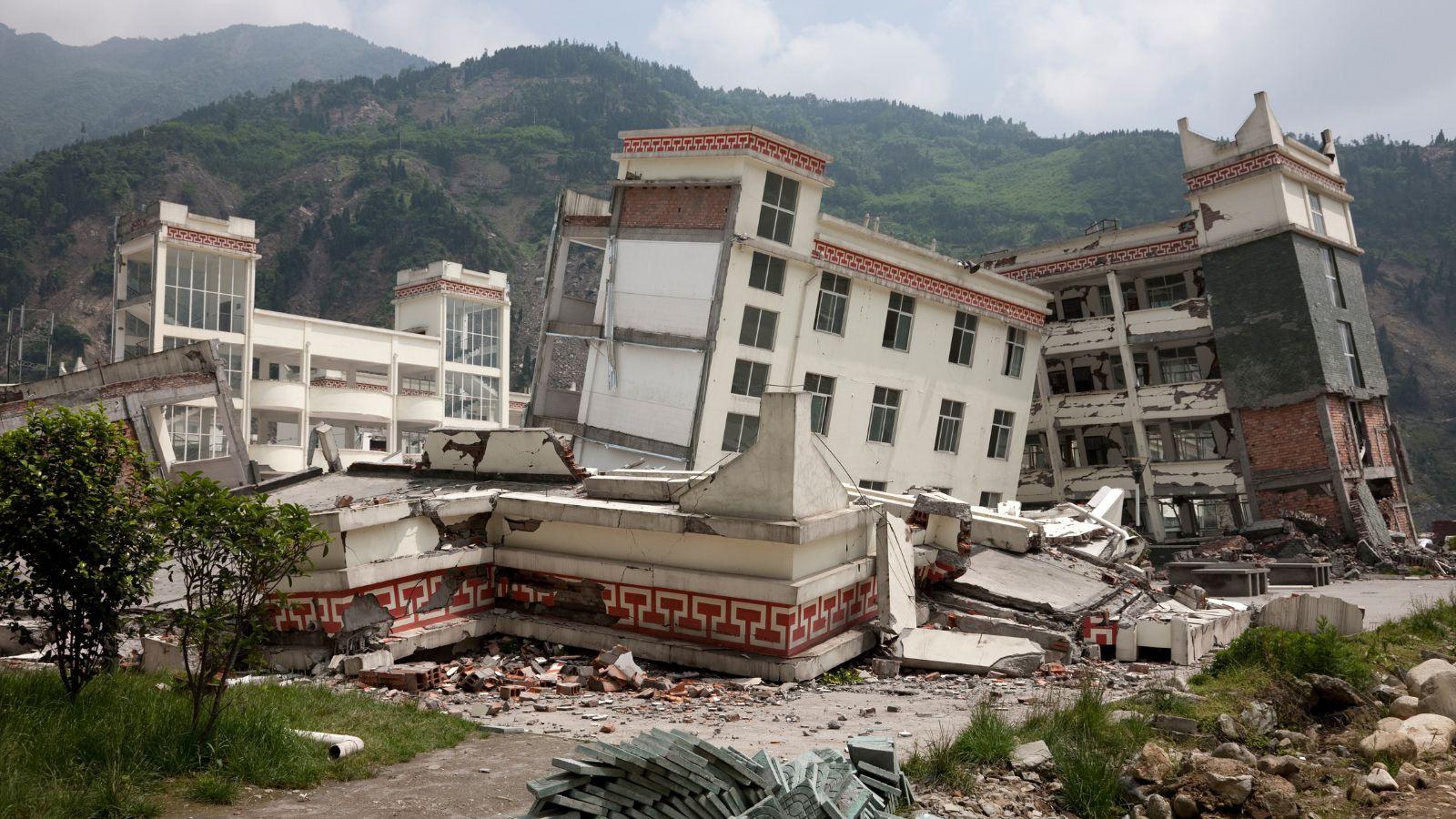
ToggleEarthquake safety starts with the parts of a house that carry weight and resist side force. Shaking may last less than a minute, yet weak connections can lead to years of repairs, displacement, and increased injury risk. Sound preparation begins below the floor, then moves through walls, roof framing, masonry, and utility lines. A thorough structural review helps households spot weak points early and choose upgrades that reduce the risk of failure during a severe event.
Contents
Check Local Risk First
Before retrofit work begins, homeowners should study local fault activity, soil type, slope, and the year the house was built. That first review gives structure to the budget and helps rank urgent fixes. Clear guidance on how to protect your house from earthquakes outlines why older frames, weak crawl spaces, and poor anchorage deserve close review. It also explains how ground conditions can worsen movement and damage.
Bolt the House to Its Base
A wood frame can shift off its foundation if anchor hardware is missing or poorly spaced. Older houses often need additional bolts, steel plates, or sill reinforcement because earlier building codes were less strict. Proper anchorage keeps the structure aligned with the concrete base during lateral motion. Contractors should verify embedment depth, washer size, and edge distance before installing new fasteners.
Brace Cripple Walls
Cripple walls sit between the foundation and the first floor in many homes with crawl spaces. These short-framed sections can buckle or fold if they lack plywood sheathing and solid nailing. Once that segment fails, floors above may drop or lean. Bracing panels, blocking, and hold-down connectors help those walls carry sideways loads with far better stability during ground movement.
Strengthen Soft First Floors
Open garages and large front openings can create a soft first story. That condition leaves too little wall area to resist side forces, increasing drift during shaking. Steel moment frames, engineered shear walls, or panel systems can stiffen the lower level. An engineer should confirm that posts, beams, and footings can transfer the added loads without creating another weak point.
Secure Masonry Features
Unreinforced masonry performs poorly under repeated horizontal movement. Chimneys, brick veneers, and heavy fireplace surrounds may crack, separate, or collapse if they are not properly tied back. Bracing the chimney near the roofline can reduce the risk of toppling. Veneer anchors, mortar repair, and fireplace reinforcement should be assessed together, since one weak element can affect nearby framing during a strong event.
Protect Gas and Water Lines
Structural damage often leads to fire or flooding through broken service lines. Flexible gas and water connectors allow limited movement and reduce the chance of immediate rupture. Automatic gas shut-off valves can stop fuel flow after severe shaking. Water heaters also need metal straps secured to studs, because a fallen tank can tear piping loose and flood living areas.
Reinforce Connections Above the Ceiling
Roof framing must remain tied to the walls below if a house is to act as a single unit. In older attics, rafters and ceiling joists may rely on weak toe-nailed joints. Metal clips and framing connectors improve the load path from roof to foundation. Additions deserve special review because mismatched framing lines can create hidden stress points where movement tends to concentrate.
Reduce Interior Structural Hazards
Main framing matters most, yet indoor hazards also deserve attention. Tall shelving, refrigerators, cabinets, and suspended light fixtures can injure occupants or block exits during shaking. Securing heavy items to studs limits movement and reduces impact loads on nearby walls. Latches on cabinet doors help keep contents in place, while lower storage for breakables cuts the risk of shattered glass.
Use Qualified Inspections
Structural upgrades should be guided by trained eyes, not guesswork. Licensed engineers and retrofit contractors can identify weak load paths, poor detailing, and material decay that owners may overlook. Their findings also help families compare bids on equal terms. A sound inspection usually costs far less than repairing a house that failed at a preventable connection during a damaging earthquake.
Conclusion
A safer house is built through careful sequencing, not a single repair. Anchorage, cripple-wall bracing, lower-story strengthening, and masonry support each address a known failure pattern seen after strong earthquakes. Utility protection and interior restraint add another layer of household safety where damage often spreads fast. Homeowners who act before the next event place their families in a better position to endure shaking and return home sooner.