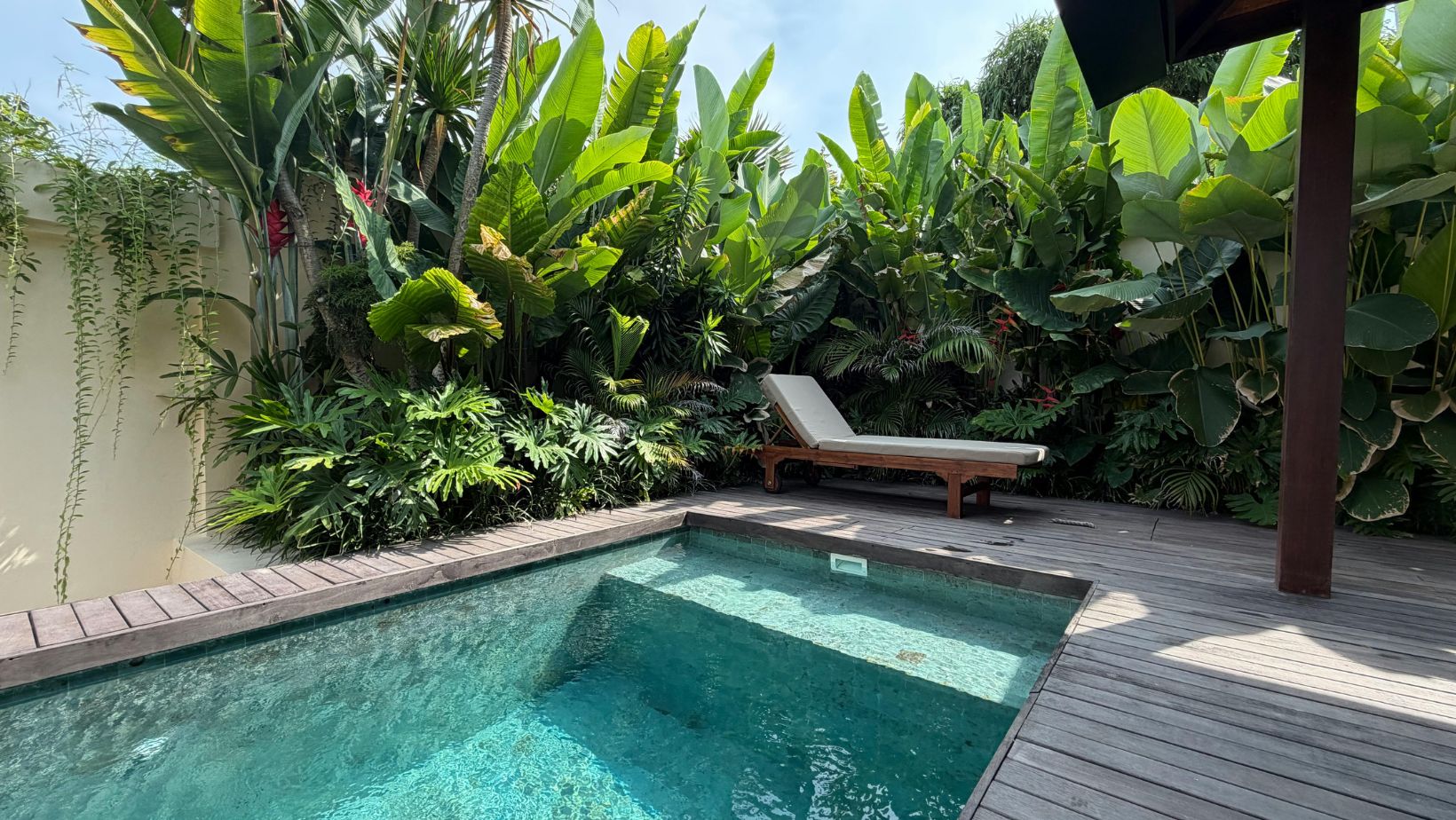
You top up the pool on Monday afternoon. By Friday, the waterline has dropped again.
Some water loss is completely normal outdoors. Heat and wind can remove a surprising amount through evaporation. Swimmers also take water out on their bodies and splash some over the edge.
The real question is how quickly the level drops. When pool water loss suddenly increases without an obvious reason, a leak deserves attention.
Start by Checking What Changed Recently
Before assuming something has broken, think about the last several days. Hot weather can increase evaporation, especially when nights stay warm.
Wind also speeds water loss across an uncovered surface. Heavy swimming activity can push more water over the edge than you realise.
A heated pool may lose additional water because warmer water evaporates faster. The US Environmental Protection Agency estimates that an uncovered 500-square-foot pool can lose between 12,000 and 31,000 gallons each year through evaporation, depending on climate.
Those figures show why one low waterline does not automatically mean trouble.
Know When the Drop Deserves Attention
There is no single evaporation rate that fits every backyard. Local temperature and wind can change the number considerably.
However, EPA guidance gives pool owners a useful warning point. A pool losing more than two inches of water each week could have a leak. In very hot and dry areas, three inches may still require closer checking.
That makes regular measurements far more useful than guessing.
Choose one fixed spot beside the pool. Measure from the coping down to the water surface at roughly the same time each day.
Write the result down for several days. A clear pattern is easier to investigate than a vague memory.
Try a Simple Bucket Test
A bucket test can help you compare evaporation with water disappearing from the pool itself.
Fill a bucket with pool water and place it on a pool step. Keep the water inside the bucket close to the surrounding pool level.
Mark both levels before leaving everything undisturbed. Check them again after about twenty-four hours.
If both levels drop by roughly the same amount, evaporation is probably responsible. If the pool drops noticeably farther than the bucket, you may need a closer inspection.
Avoid doing the test after heavy rain. Swimming during the test can also make the comparison less useful.
Watch the Level When the Pump Is Running
The timing of water loss can provide another clue.
If the pool drops faster while the filtration system runs, the problem may involve return plumbing or equipment on the pressure side.
Loss that continues when the pump is switched off can point somewhere else. A damaged liner or structural opening may allow water out regardless of circulation.
EPA guidance lists pump seals and pipe joints among common leak locations. Filtration lines and pool edges also deserve inspection when water is disappearing unexpectedly.
Inspect the Equipment Area Carefully
Some pool leaks are easier to find than homeowners expect.
Walk around the pump and filter while the system operates. Check the ground for wet patches that never fully dry between filtration cycles.
Inspect visible fittings for dripping water. Pay attention around pump seals and filter connections.
A small drip may not seem serious during a five-minute inspection. Over several days, the wasted water can add up considerably.
Air bubbles inside the pump basket can provide another clue. EPA guidance notes that bubbles in the pump strainer basket or return line may indicate a leak.
Check the Pool Surface and Fittings
Your pool shell deserves a slow inspection as well.
Examine areas around lights and return fittings first. Check skimmer openings for cracking around the surrounding material.
Vinyl pools need careful inspection for small tears. Concrete pools can develop cracks that deserve professional assessment when water loss continues.
One useful clue comes from the water stopping at the same height repeatedly. If the level keeps dropping until it reaches one fitting, inspect that area more closely.
Do not let the water fall too low around equipment that depends on proper circulation.
Do Not Forget the Automatic Filler
An automatic refill system can hide a leak for weeks.
Your pool may always seem full because fresh water replaces what escapes. The first warning could arrive through an unexpectedly high water bill.
EPA specifically recommends checking automatic refill systems and fill valves during regular swimming pool maintenance. Monitoring the level manually can make hidden losses easier to notice.
Turn the refill system off temporarily when practical. Mark the waterline and watch what happens over the next day.
A Pool Cover Can Answer Another Question
Using a cover regularly can reduce pool evaporation dramatically.
EPA says properly used pool covers can prevent up to 95 percent of evaporation. Covers can also reduce cleaning needs and help heated water retain energy.
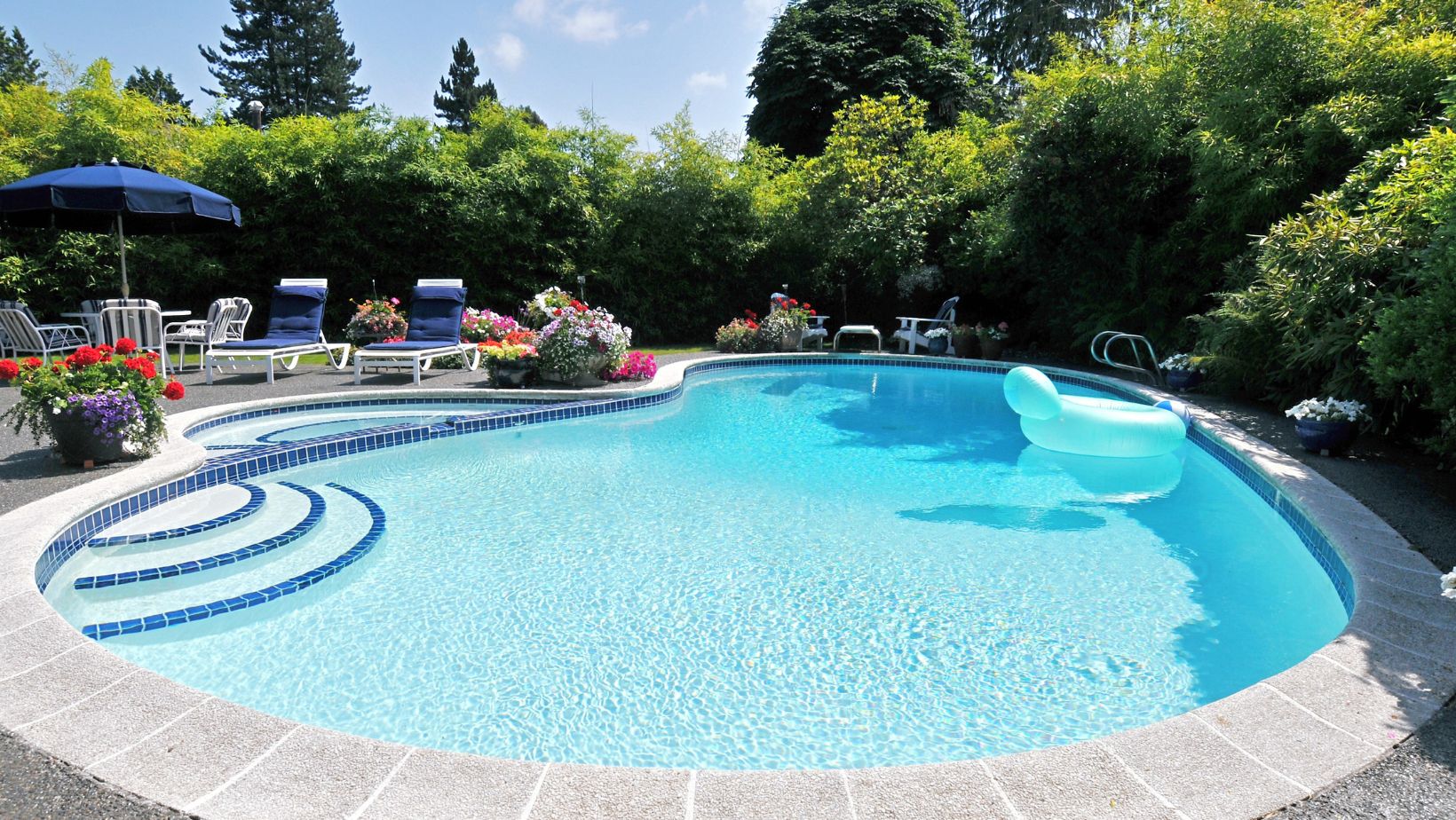
If your covered pool still needs frequent topping up, weather becomes a less convincing explanation.
Do not assume the cover proves a leak exists. Splashes and plumbing problems still need separate checking.
When Professional Testing Makes Sense
You can solve some problems with careful observation. Underground plumbing is much harder to investigate without specialised equipment.
Professional pool leak detection may use pressure testing and listening equipment to narrow down hidden problems. Dye testing can help around suspected openings inside the pool.
Call for help when the bucket test repeatedly points toward leakage. Professional testing also makes sense when you cannot locate the source without digging or draining anything.
Draining a pool unnecessarily can cause expensive problems of its own.
Use a Simple Order Before Calling Anyone
When you are investigating unexplained pool water loss, work through the easy checks first.
Start by measuring the level for several days. Compare the pool with a bucket under similar weather conditions.
Inspect the equipment area while the pump operates. Check visible fittings before assuming underground plumbing has failed.
This sequence gives a technician useful information if you eventually need one.
Do Not Ignore a Waterline That Keeps Falling
A small leak rarely fixes itself without intervention. Continued water replacement also means paying to treat and sometimes heat replacement water.
Track the level instead of relying on memory. Compare the loss against weather conditions and your recent pool use.
When the numbers keep pointing beyond normal evaporation, investigate before the problem grows.
Your pool should need routine topping up sometimes. It should not need constant refilling without a clear reason.