
Table of Contents
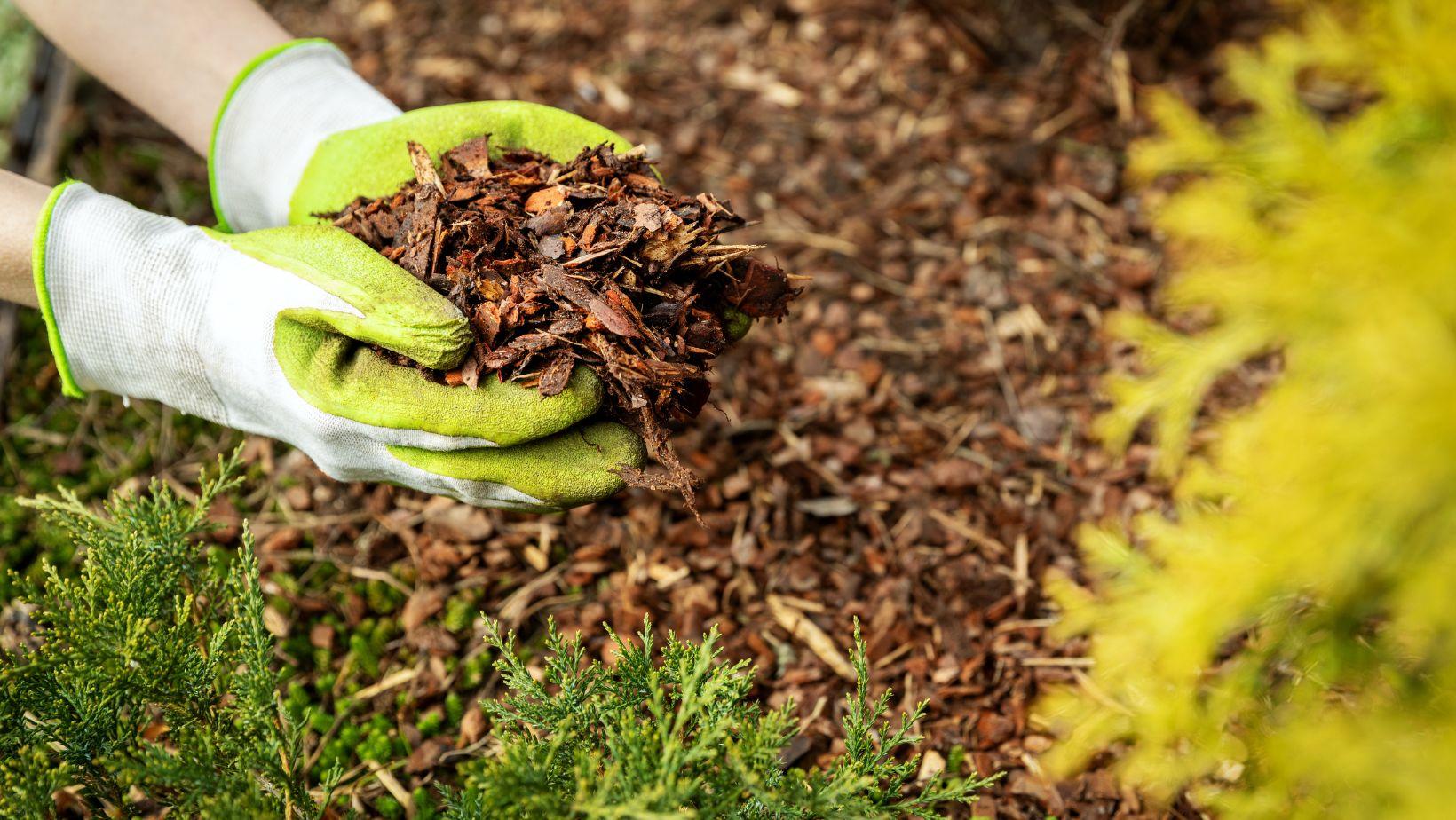
ToggleMulching is one of the simplest ways to prepare a garden for summer. A good layer of mulch keeps moisture in the soil, protects roots from heat and suppresses weeds. Late spring is the ideal time, while the soil still holds moisture from winter and spring rain and before the hottest days arrive. Here’s how to choose the right mulch, spread it properly and work out how much you need.
Contents
What mulch does
- Reduces evaporation, so you water less often and plants cope better in heatwaves.
- Keeps soil cooler on hot days, which protects shallow roots.
- Suppresses weeds by blocking the light they need to germinate.
- Improves soil as organic mulches break down and feed soil life.
- Reduces erosion by protecting bare soil from heavy rain and wind.
- Tidies the garden, giving beds a finished, cared-for look.
Choosing the right mulch
|
Mulch type |
Best for |
Notes |
|
Fine organic mulch (e.g. sugar cane, pea straw) |
Vegie patches, annuals |
Breaks down quickly, feeds the soil |
|
Wood chip or bark |
Shrubs, trees, native beds |
Lasts longer, looks tidy |
|
Pine bark |
Ornamental beds |
Attractive, slow to break down |
|
Inorganic (pebbles, gravel) |
Succulents, low-water designs |
Doesn’t break down; reflects heat |
For native gardens, coarse wood chip is a good choice. For vegetables, use something finer that you can dig in at the end of the season. For ornamental beds near the house, many people choose a mulch for its colour as much as its function, so it’s worth seeing samples before ordering.
Coarse mulches let water through more easily and last longer, while fine mulches break down faster and add more organic matter to the soil. Neither is better overall; it depends on what you’re growing and how often you want to top up.
How deep to spread it
As a general guide, spread most organic mulches about 5 to 10 cm deep. Too thin and weeds push through. Too thick and water may struggle to reach the soil, and some fine mulches can mat down and repel water. Gardening Australia’s guide to mulching gives more detail for different plants.
Fine mulches such as pea straw sit at the lower end of that range, while chunky wood chip can go a little deeper. Around young seedlings, keep the layer thinner until the plants are established.
How to mulch properly
Common mulching mistakes
- Piling mulch against trunks. Leave a small gap around each plant.
- Mulching dry soil. Water first, then mulch.
- Using fresh, uncomposted wood products in vegie beds. These can temporarily draw nitrogen from the soil surface as they break down.
- Forgetting irrigation. If you use drip lines, lay them under the mulch so water goes straight to the roots.
Mulching different parts of the garden
Vegie patches. Use a fine, easily dug-in mulch such as sugar cane or pea straw, and keep it a little thinner around seedlings. Dig it in at the end of the season to add organic matter.
Native beds. Coarse wood chip or bark suits most natives and helps keep the soil surface cool. Avoid mulches enriched with high-phosphorus fertilisers around sensitive species.
Trees and shrubs. A wide ring of coarse mulch under the canopy, kept clear of the trunk, reduces competition from grass and weeds and helps roots through summer.
Pots. A thin layer of fine mulch or pebbles on top of potting mix slows evaporation and stops soil splashing out when you water.
Mulch and water restrictions
Mulch is one of the most effective ways to make the most of every drop of water, which matters during dry spells and any water restrictions. Combined with drip irrigation and watering early in the morning, a good layer of mulch can noticeably cut how much water a garden needs over summer. Check with your local water corporation for any current rules on garden watering.
Working out how much you need
Multiply the area by the depth. A 15 m² bed at 7.5 cm needs 15 × 0.075 = 1.125 m³, so order a little over 1 m³. Measure each bed separately and add them together, rounding up slightly to allow for uneven ground and settling.
Topping up
Organic mulch breaks down over time, which is a good thing for your soil. Check the depth each spring and top up as needed. In vegie beds, fine mulches may need replacing every season, while coarse wood chip under trees and shrubs can last much longer.
Where to buy
For Melbourne gardeners, SoilWorx’s mulch range includes options for vegie patches, native beds and ornamental gardens, available in bulk from its Deer Park, Pakenham and Werribee yards. Seeing the mulches in person helps you choose the right texture and colour for your garden, and staff can help you work out the quantity.