It’s always special to see a home that’s aged and made beautiful. Worn floors, sagging porches, and peeling paint can mask the charm that was always there. Before and after stories illustrate that with patience and good planning, anything is possible. This article provides some typical transformations and the lessons homeowners can learn from them.
Why Before and After Examples Matter
When you see a picture of the completed project, you will envision your own home in a new way. They demonstrate the impact that a space can have under renovation, and what changes have the greatest impact. Real results also give you the chance to set realistic goals for cost and timing. When talking to a builder, rather than guessing, you can show examples. This simplifies the planning process and reduces stress.
Where to Find Real Project Inspiration
Getting started is as easy as visiting a contractor’s gallery. When you research a restoration contractor, take time to view some of their projects on their portfolio page. Examine the details, including past maintenance of trim, refinishing of floors, and the integration of old and new features. Be mindful of the kind of houses they’re working on and if it matches your style or the age of your house. Keep a copy of the pictures that you like to share at your initial meeting.
The Front Porch and Exterior Makeover
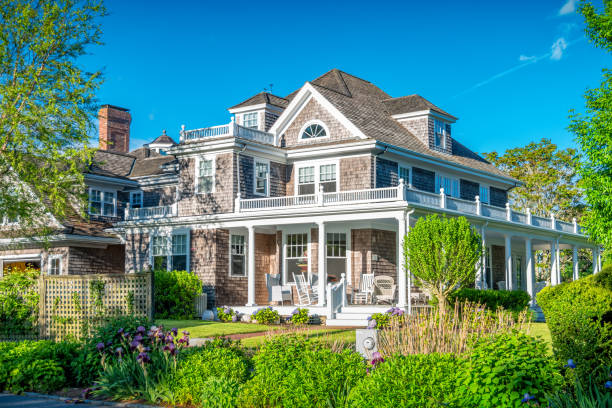
The exterior of a house makes the initial impression. Common problems in older homes include rotted porch boards, dingy siding, and peeling paint. A strong restoration will fix any damaged wood and replace it only when it cannot be repaired, and introduce new color or hues that are appropriate for the home’s age. Railings, columns, and trim have been restored to give older homes their character. Things as simple as new house numbers and new period-style lighting can make all the difference when it comes to curb appeal.
Reviving Floors, Walls, and Original Woodwork
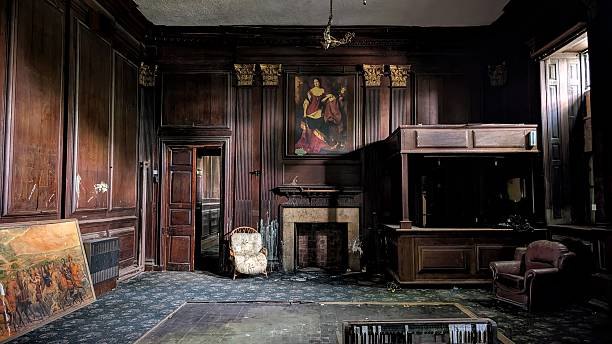
Older homes have many secrets inside their walls. Under old carpet, hardwood floors are often ready and waiting to be sanded and refinished. Instead of replacing the walls, it is possible to repair them using plaster to retain the solid feel that older houses are known for. Original doors, baseboards, and window frames can frequently be stripped and refinished. These details are difficult to replicate with new materials and lend a personality to a home. Additionally, it saves money in many instances to keep them.
Updating Kitchens and Bathrooms With Care
The rooms that see the greatest changes during a restoration are the kitchens and bathrooms. Closed layouts can appear small and outdated, and internal plumbing can be outdated. A well-considered improvement has added contemporary comfort without compromising the style. Consider subway tile, traditional cabinets, and basic fixtures for the time period. Many homeowners retain one or two original features to anchor the new space to the past, like a clawfoot tub or original window. It is a new, yet traditional look.
Fixing What You Cannot See
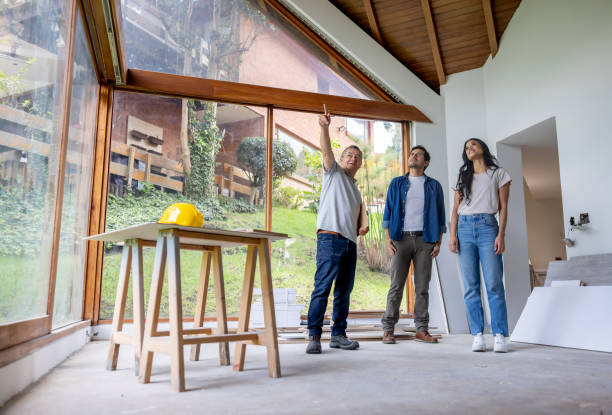
In some instances, the most significant work is not even captured in a photograph. In older homes, foundations, wiring, plumbing, insulation, and roofing are frequently in need of attention. These enhancements relate to safety, comfort, and energy conservation. They can also safeguard all you’ve restored at the surface. If you compare before and after photos, keep in mind that solid work is what will ensure a terrific finish.
Lessons Homeowners Can Take Away
There are some common factors to successful transformations. They have a clear plan and a realistic budget. They maintain the originality of the house. They have trained personnel that have knowledge of older construction. They provide time for “unexpected surprises” because there are likely to be hidden problems. As you plan your own project, make use of these tips, and you’ll be well on your way to success.
Conclusion
This proves that no older home can lose its soul without losing its life as well, before and after transformations. Learn from actual samples, establish clear objectives, and learn style and structure. If you plan it right and have the right team, your own house could be the next inspirational tale!