Table of Contents
ToggleLiving with dogs brings plenty of happy moments, but it also means dealing with muddy paws, loose fur, scattered toys, and occasional messes.
Keeping everything clean can feel challenging, especially when your dog enjoys exploring every corner of the house.
Fortunately, maintaining a clean and organized home with dogs does not require hours of cleaning every day. A few practical habits, suitable storage solutions, and a consistent routine can make everyday household maintenance much easier.
Here are seven useful ways to keep your living space tidy while allowing your dog to feel comfortable and relaxed.
Contents
1. Create a Dedicated Cleaning Station Near the Entrance
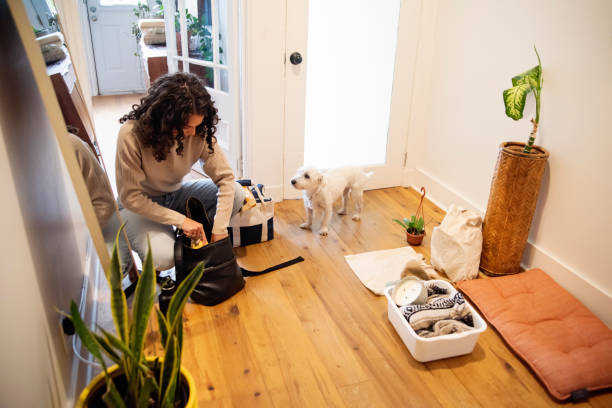
Dogs often bring dirt, mud, and outdoor debris into the house after walks. Setting up a small cleaning station near your entrance helps prevent that mess from spreading across your floors and furniture.
Keep Essential Cleaning Supplies Nearby
Choose a convenient location close to the door your dog uses most frequently.
Keep these items within reach:
- Absorbent towels for drying wet paws.
- Pet-safe wipes for quick cleaning.
- A washable mat for muddy footwear.
- A small brush for removing dried dirt.
After each walk, check your dog’s paws and gently clean away visible dirt. Pay particular attention to the spaces between their toes.
This simple habit can significantly reduce the amount of outdoor mess entering your home.
2. Organize Your Dog’s Feeding Area
Food crumbs, spilled water, and poorly stored pet food can quickly make kitchens untidy. Creating a dedicated feeding station makes mealtimes easier to manage and helps maintain better hygiene.
Use Practical Food Storage Solutions
Place your dog’s food and water bowls on a washable, non-slip mat. This helps contain minor spills and makes cleaning the surrounding floor easier.
When comparing options through resources covering the best dog food Canada, consider packaging sizes and storage requirements alongside your dog’s nutritional needs.
Store dry food in its original bag inside a suitable sealed container. Keep it in a cool, dry location and follow the manufacturer’s storage instructions.
Wash food bowls after wet meals and clean dry-food and water bowls daily.
3. Control Loose Fur Before It Builds Up
Dog hair can collect on carpets, sofas, bedding, and clothing. Regular grooming and targeted cleaning prevent loose fur from accumulating throughout your living space.
Combine Grooming With Regular Vacuuming
Brush your dog according to their coat type and grooming needs. Some dogs require daily brushing, while others need less frequent attention.
For easier cleaning:
- Use a vacuum suitable for pet hair.
- Clean upholstered furniture regularly.
- Keep washable covers on frequently used sofas.
- Use a lint roller for clothing and cushions.
Focus on areas where your dog spends the most time rather than trying to vacuum every room daily.
4. Keep Pet Food and Supplies Properly Organized
Pet supplies can quickly take over cupboards and storage spaces when everything is kept in different locations. A simple organization system makes feeding, grooming, and cleaning more convenient.
Arrange Supplies by Their Daily Use
Create separate storage areas for food, treats, grooming equipment, and walking accessories.
For example, owners using acana dog food can keep the original packaging securely closed and stored away from moisture, excessive heat, and direct sunlight.
Use clearly labelled containers or baskets for smaller accessories.
Keep frequently used items at an accessible height while storing medications, cleaning chemicals, and potentially dangerous objects beyond your dog’s reach.
This arrangement saves time and prevents unnecessary clutter.
5. Give Dog Toys and Accessories Their Own Storage Space
Dogs often have several toys, including balls, ropes, chew toys, and puzzle feeders. Without proper storage, these items can end up scattered across living rooms and hallways.
Create a Simple Toy Organization System
Choose a sturdy basket or container without sharp edges or easily detachable parts.
Separate toys into categories based on their purpose:
- Chew toys for independent activities.
- Interactive toys for supervised play.
- Balls and ropes for active games.
- Puzzle toys for mental stimulation.
Inspect toys regularly and discard damaged items that could become choking hazards.
Encourage your dog to return toys to a designated area through simple reward-based training.
6. Maintain Separate Areas for Dogs and Other Pets
Homes with multiple animals often require additional organization. Dogs and cats may have different feeding habits, preferred resting areas, and personal space requirements.
Organize Different Feeding and Resting Spaces
If you own both dogs and cats, establish separate feeding locations to prevent food stealing and unnecessary competition.
For households comparing the best cat food canada options, keeping cat food in a separate storage area can make feeding routines easier to manage.
Place cat feeding bowls somewhere your dog cannot reach, and ensure litter boxes remain accessible to cats but protected from curious dogs.
Separate resting spaces also allow each pet to relax without constant interruptions.
7. Follow a Simple Daily and Weekly Cleaning Schedule
Keeping your home organized becomes easier when cleaning tasks are divided into manageable routines. Small daily efforts prevent messes from becoming overwhelming.
Build a Realistic Pet-Friendly Cleaning Routine
Start with a schedule that matches your household’s needs.
Daily tasks:
- Wipe muddy paws after walks.
- Clean feeding bowls and surrounding surfaces.
- Put scattered toys back into storage.
- Vacuum heavily used areas when needed.
Weekly tasks:
- Wash dog bedding and blankets.
- Clean frequently used grooming equipment.
- Vacuum under furniture.
- Inspect and clean pet accessories.
For accidents, remove the mess promptly and use a cleaner suitable for the affected surface. An appropriate enzymatic cleaner can help remove lingering urine odours.
Avoid harsh cleaning products unless they are suitable for use around pets, and keep your dog away from treated surfaces until they are safe.
Conclusion
Keeping your home clean and organized when living with dogs is mainly about developing consistent habits. Dedicated feeding stations, regular grooming, organized storage, and simple cleaning routines can prevent everyday messes from becoming bigger problems.
Focus on practical changes that suit your dog’s behaviour and your household’s daily schedule. With a little planning and regular maintenance, you can enjoy a tidy, comfortable home without limiting your dog’s freedom to play, explore, and relax.