
Table of Contents
TogglePlenty of cities have a building everyone recognizes. Few have one that’s still, after more than fifteen years, the tallest thing anyone’s managed to build anywhere on the planet. Burj Khalifa has held that title since 2010. Honestly, the fact that nobody’s come close to beating it since says almost as much as the building itself.
Contents
A Record That Refuses to Fall
At 828 meters, Burj Khalifa isn’t just tall. It’s tall by a margin that’s genuinely hard to grasp. It’s held its spot as the tallest building in the world since its 2010 opening, and more than a decade and a half later, nothing else has come within striking distance. Most records like this get chipped away within a few years. This one just hasn’t.
Engineering That Still Gets Studied
The tower’s Y-shaped footprint wasn’t a stylistic choice. It was structural, built specifically to reduce wind load as the building climbs. Chief structural engineer Bill Baker has described the approach as essentially confusing the wind, deflecting gusts around the structure instead of letting pressure build against a flat, uniform face the way older skyscrapers were built.
Dubai’s soil is relatively soft, so engineers drilled 192 piles roughly 50 meters deep just to anchor the foundation. That’s before a single floor went up. I remember reading that stat for the first time and genuinely stopping to reread it. The planning that went into just keeping the thing standing is its own achievement, separate from the height record entirely.
More Than a Tower, Genuinely a Vertical City
Burj Khalifa isn’t just an observation deck with a gift shop underneath. Residential apartments, corporate office suites, the Armani Hotel, restaurants, health facilities, all stacked into one structure. That mixed-use design was intentional from day one. Height was never the only goal; it was building a functioning piece of the city that happened to reach further into the sky than anything else on earth.
A Symbol That Was Built on Purpose
The tower’s whole existence traces back to one ambition. Dubai’s leadership wanted a centerpiece for the new Downtown district, something that would put the city on the global map and pull the local economy beyond its reliance on oil. It worked. The building became shorthand for Dubai’s entire growth story almost overnight, with tourists, investors, and businesses all drawn toward a skyline that suddenly had one genuinely singular landmark anchoring it.
Marking Milestones the World Actually Watches
Every New Year’s Eve, Burj Khalifa’s fireworks and light shows pull a global broadcast audience, a tradition that started back in 2011 with what was, at the time, the world’s highest firework display. That’s nothing. It’s not an iconic building that people photograph once on a trip and forget. It’s become an annual fixture that people actually tune in to watch, year after year, whether they’ve ever set foot in Dubai or not.
Sixteen Years On, Still the Benchmark
Coverage of its most recent anniversary took a look inside the world’s tallest skyscraper and found tens of millions of visitors have passed through since it opened, with the spire still visible from more than 90 kilometers away on a clear day. Numbers like that, well over a decade after opening, tell you this isn’t a landmark riding on novelty. It earned its staying power the hard way.
Why It Still Matters Today
New supertall towers get announced constantly around the world, and plenty of them chase the exact record Burj Khalifa has held onto for so long. None has actually taken it. That gap between ambition and achievement is exactly why Burj Khalifa still functions as the benchmark. Building something that surpasses it has turned out to be a genuinely different challenge than anyone expected back in 2010.
Dubai’s Skyline, Defined by One Building
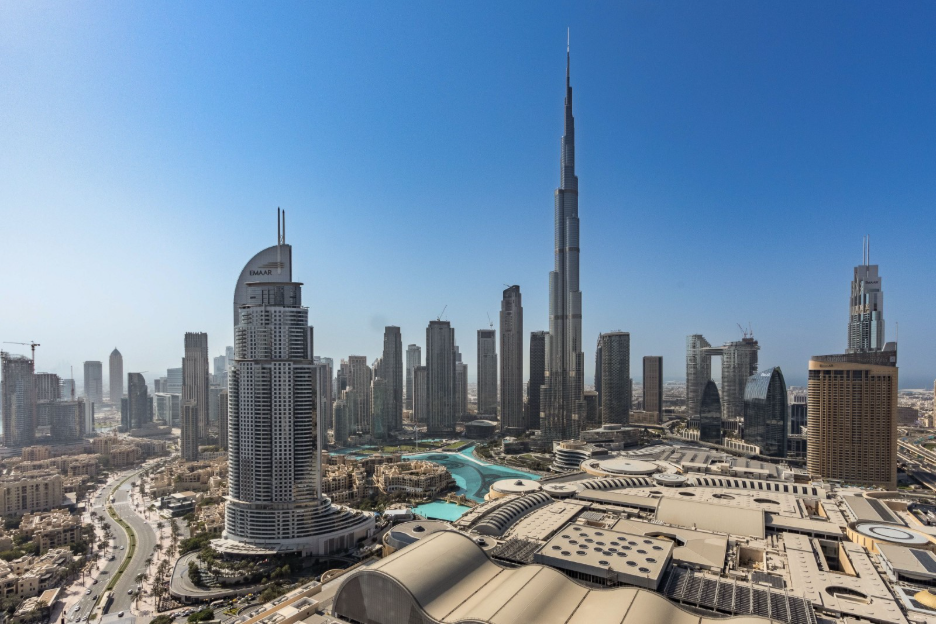
Every skyline has a building that people point to first. In Dubai, there’s genuinely no competition for that spot. Burj Khalifa isn’t just the tallest structure in the city; it’s the reason a lot of people picture Dubai at all when they close their eyes and think of the skyline. That kind of cultural weight is a lot harder to build than height alone, no matter how many piles you drill into the ground.