
Shark Vacuum Making Loud Suction Noise
If your Shark vacuum is making a loud suction noise, it can be quite frustrating and disruptive to your cleaning routine. The noise could be a sign of a few different issues that need to be addressed. In this article, I’ll explore some possible reasons why your Shark vacuum is making such a loud noise and provide potential solutions to help resolve the issue.
One reason for the loud suction noise could be a clog or blockage in the vacuum’s hose or brush roll. When debris gets trapped in these areas, it can create an obstruction that disrupts the airflow and causes the motor to work harder, resulting in a louder sound. Checking and clearing any clogs can often alleviate this problem.
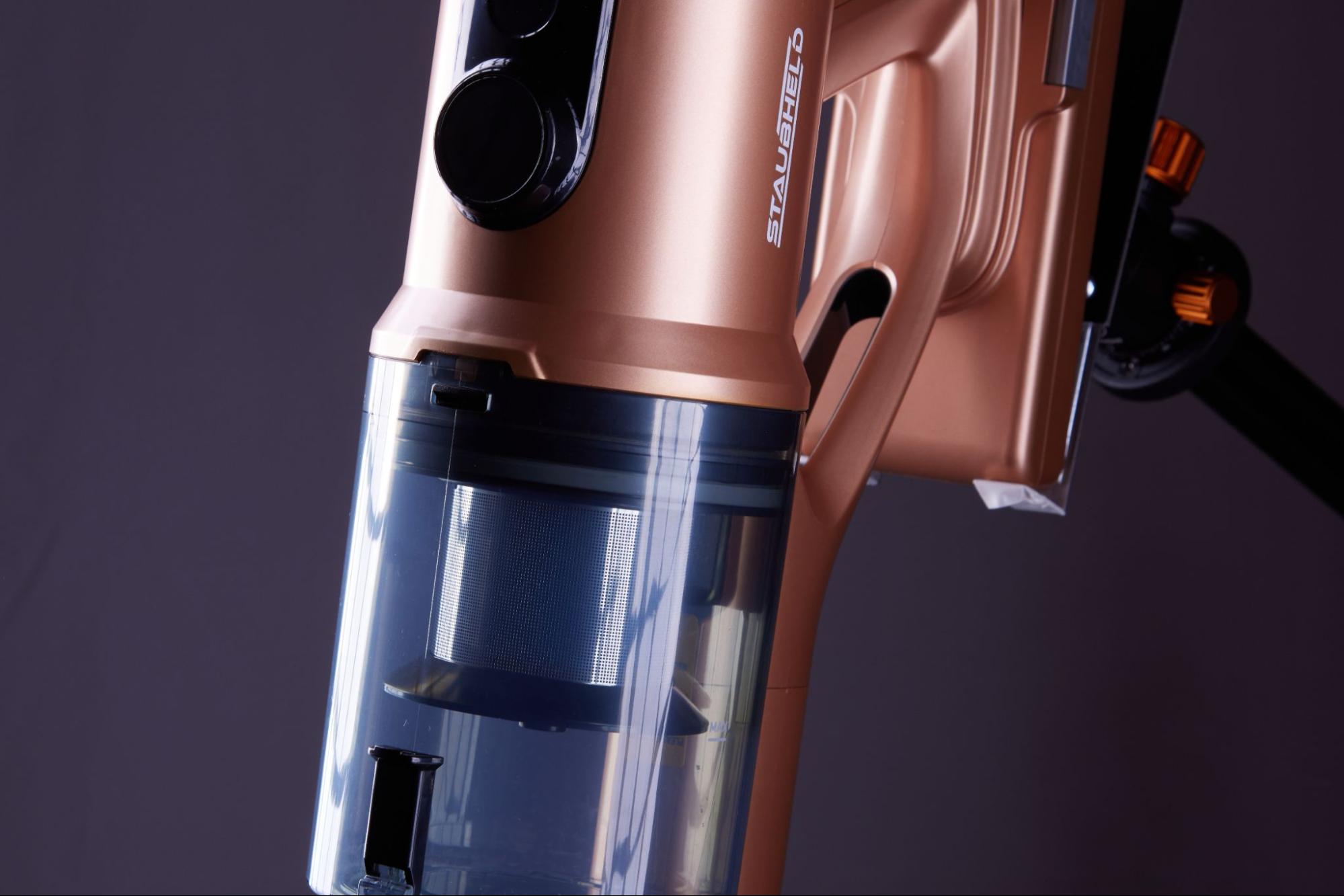
Another possibility is that the filters in your Shark vacuum are dirty or clogged. Over time, dust and dirt accumulate on the filters, reducing their efficiency and causing increased noise during operation. Cleaning or replacing the filters regularly can help maintain proper airflow and reduce excessive noise.
Lastly, if neither of these solutions solves the issue, there may be a problem with the motor itself. A worn-out motor can produce louder noises as it struggles to function properly. In this case, reaching out to customer support or contacting a professional technician might be necessary for further assistance.
By identifying and addressing these potential causes of loud suction noise in your Shark vacuum, you can ensure a quieter and more efficient cleaning experience. Let’s dive into each of these possibilities in more detail below.
Common Causes of Loud Suction Noise
When it comes to your shark vacuum making a loud suction noise, there can be several common causes. Understanding these causes can help you troubleshoot the issue and find a solution. Here are a few possible reasons why your shark vacuum may be producing an unusually loud suction noise:
- Clogged or Blocked Filters: One of the most common culprits behind a noisy shark vacuum is clogged or blocked filters. Over time, dirt, debris, and pet hair can accumulate in the filters, obstructing airflow and causing the motor to work harder than usual. This extra strain on the motor can result in louder suction noises. Regularly cleaning or replacing the filters can help prevent this problem.
- Hose Blockage: Another possible cause of loud suction noise is a blockage in the hose or attachments. Items like small toys, hairpins, or even excessive amounts of debris can get stuck in the hose, restricting airflow and increasing noise levels. Inspecting and clearing any obstructions from the hose can often resolve this issue.
- Loose Parts: Loose parts within your shark vacuum could also lead to increased noise during operation. Vibrations caused by loose screws or components may amplify sound output, resulting in a louder suction noise than usual. Checking for any loose parts and tightening them accordingly may alleviate this problem.
- Worn Belts: If your shark vacuum has been in use for an extended period, worn or stretched belts could be contributing to the loud suction noise issue. As belts lose their tension over time, they may slip and produce unusual sounds when operating at high speeds. Replacing worn-out belts with new ones can restore smooth operation and reduce noise levels.
Remember to consult your shark vacuum’s user manual for specific troubleshooting steps and maintenance instructions. By addressing these common causes of loud suction noise in your shark vacuum, you can enjoy a quieter and more efficient cleaning experience.