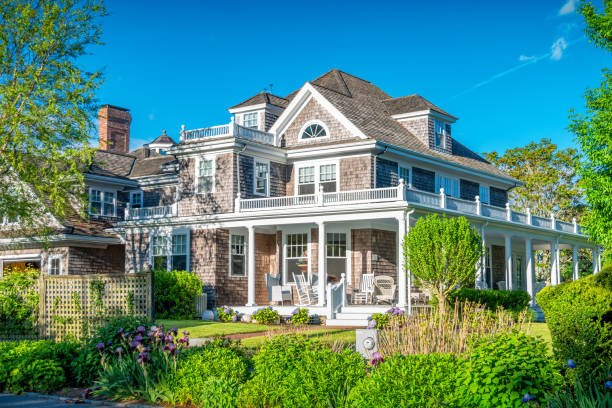
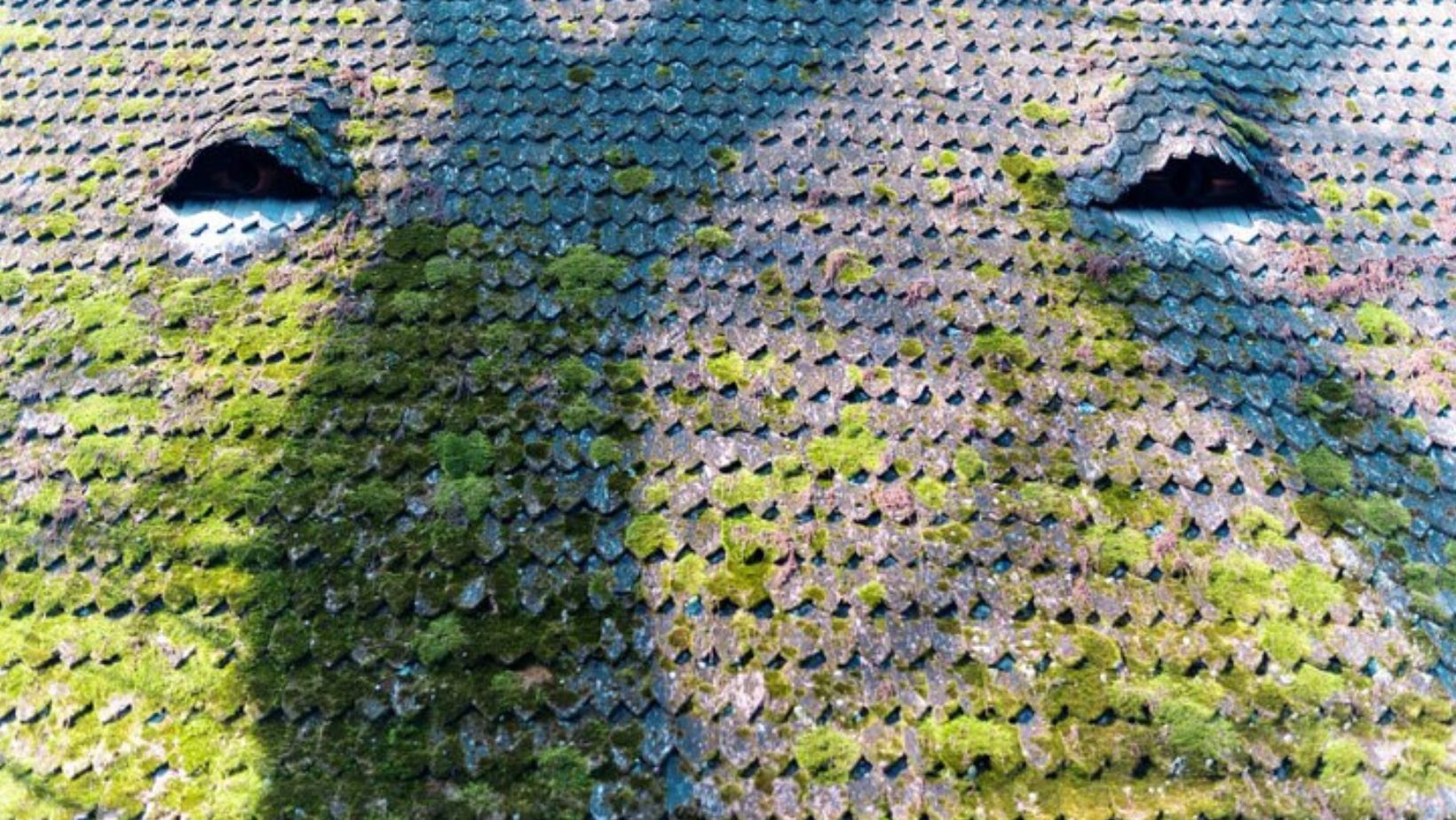
It’s likely that the dark buildup on your roof is either dirt, algae, or moss. While dirt is mostly harmless, it can diminish your home’s visual appeal. On the other hand, moss and algae retain moisture, which can stay pressed against the roofing material, accelerating the wear and tear of materials like concrete, shingles, and clay.
Why Cleaning Your Roof Is Important
Over time, roofs accumulate debris, moss, algae, and dirt, leading to various issues if left unattended. Moss and algae, in particular, are notorious for retaining moisture, which can cause shingles to deteriorate prematurely. This affects the appearance of your roof and can lead to structural damage as moisture seeps into the underlying materials.
A clean roof also improves energy efficiency. Dark stains caused by algae can increase the roof’s temperature, forcing your cooling system to work harder, especially during warmer months. By maintaining a clean roof, you can reduce electricity costs and extend the lifespan of your roofing materials.
Methods of Roof Cleaning
There are several roof cleaning methods of getting your roof clean, each with pros and cons. The most common techniques include:
Soft Washing
Soft washing uses low-pressure water and specialized cleaning solutions to remove dirt, algae, and moss without damaging the shingles. This method is effective and safe for most roofing materials.
Pressure Washing
Pressure washing is best for removing debris and stains.
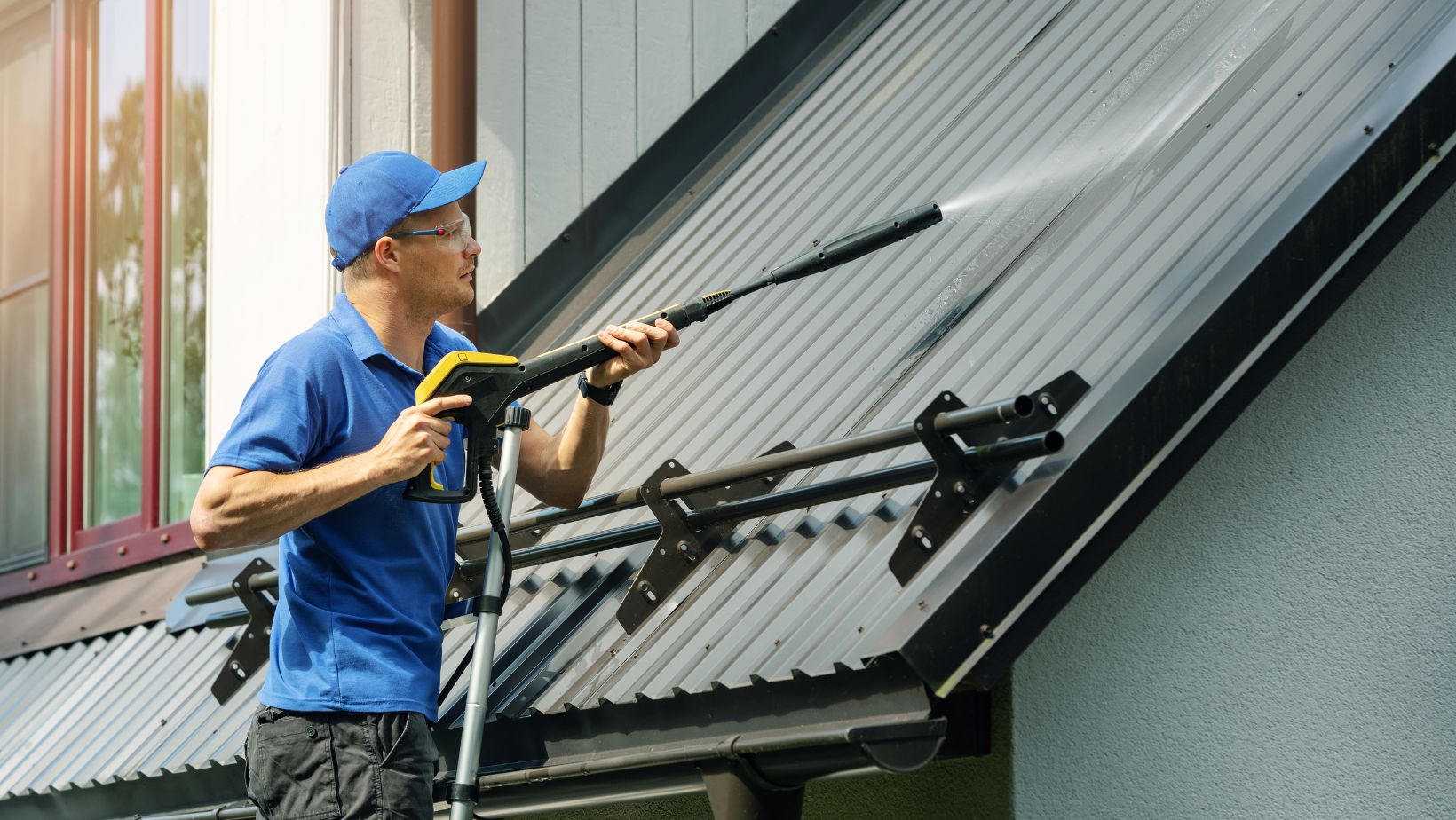
While effective, it can be risky for older or more delicate roofs, as the high pressure can dislodge shingles or cause them to crack.
Chemical Cleaning
This method uses chemical solutions to kill moss and algae at the roots. It’s particularly adequate for severe infestations but should be used cautiously to avoid environmental harm or damage to surrounding plants.
Manual Removal
Manual removal of moss or debris using brushes or scrapers is sometimes necessary. This method is labor-intensive and risky if not done correctly, as it may damage the shingles or underlying materials.
Choosing the cleaning method depends on the type of roofing material, the extent of dirt or growth, and the roof’s age. For example, asphalt shingles may not withstand the high pressure of a power washer, while metal roofs can handle it better. Consulting with a professional roofer can help determine the best approach for your specific situation.
Consider the environmental impact of your chosen cleaning method. Opt for eco-friendly cleaning solutions and methods that minimize runoff into your garden or local waterways.
Generally, it’s best to clean your roof every two to three years. However, inspecting your roof annually for signs of moss, algae, or debris buildup can help you decide if more frequent cleaning is necessary.
DIY vs. Professional Roof Cleaning
While some homeowners may decide to clean their roofs themselves, hiring a professional is often the safer and more effective option. Professionals have the experience, tools, and knowledge to clean your roof without causing damage. They can also see potential issues that may be overlooked by the untrained eye, such as damaged shingles or signs of roof rot.
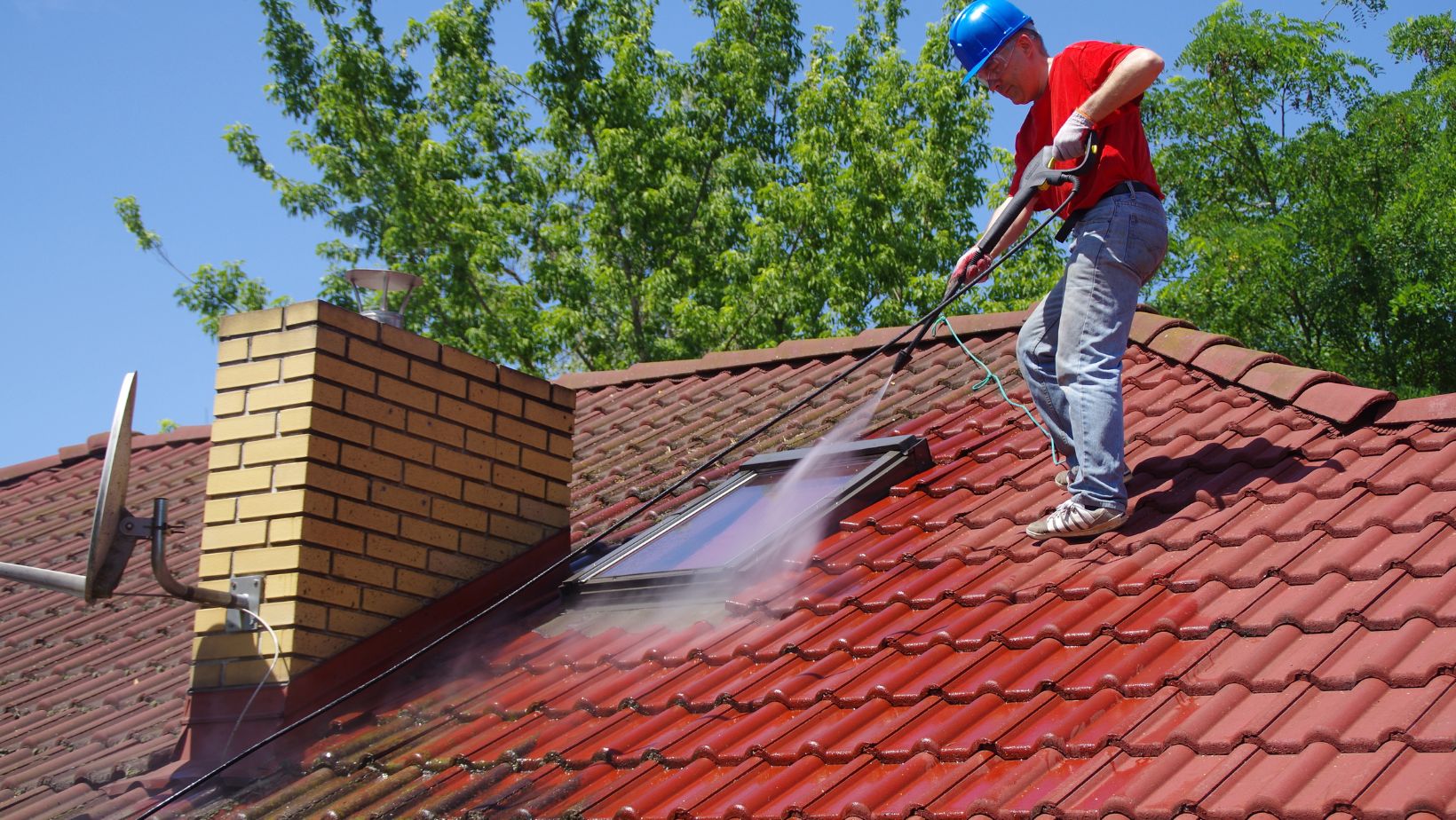
If you decide to tackle the job yourself, ensure you have the proper safety equipment, including a stable ladder, non-slip shoes, and a safety harness. Always follow manufacturer guidelines for cleaning products and methods to avoid voiding warranties.
Preventative Measures to Keep Your Roof Clean
Preventing debris and growth from accumulating on your roof can save you time and money in the long run. Here are some tips to keep your roof in good condition:
Trim Overhanging Branches
Trees near your roof can drop leaves, branches, and sap, creating a breeding ground for moss and algae. Regularly trimming branches away from your roof can reduce this risk.
Install Gutter Guards
Clogged gutters can pool water on your roof, promoting moss and algae growth. Gutter guards prevent debris from accumulating in your gutters, allowing water to flow freely off your roof.
Remove Debris Promptly
Check your roof for debris, such as leaves or branches, after storms or high winds. Removing these can prevent moisture retention and growth of moss or algae.
Don’t Forget Roof Cleaning!
Cleaning your roof is essential to home maintenance, which protects your investment and ensures your house remains safe and energy-efficient. By understanding the importance of roof cleaning, choosing the proper method, and taking preventative measures, you can maintain your roof in optimal condition for years.