
Table of Contents
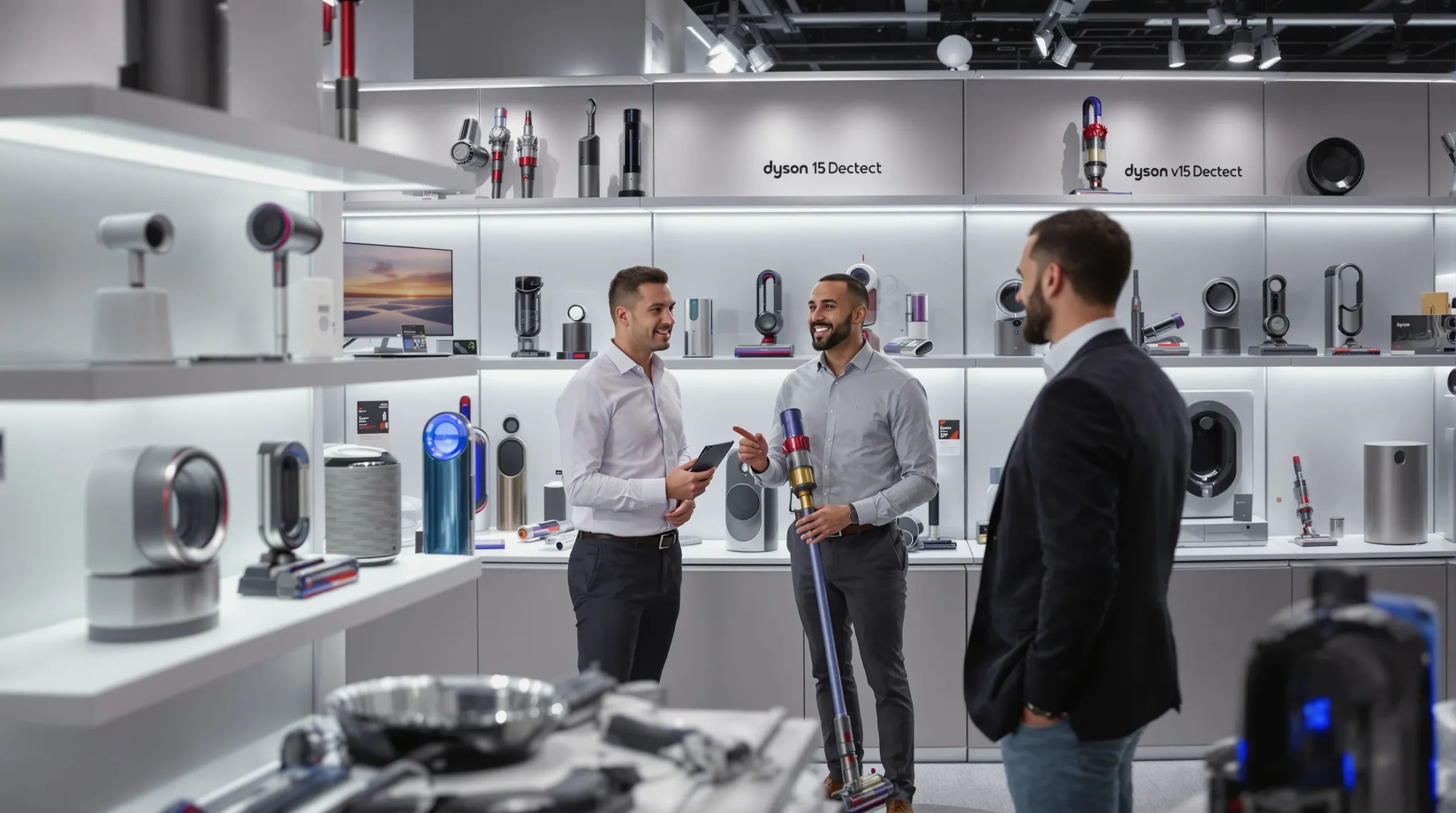
TogglePicture this: You’re standing in a bright, humming electronics store, clutching your phone, scrolling through endless “Dyson comparisons” while a wall of sleek vacuums stares back. Your palms sweat. Cordless or upright? V8 or V15? You want the best, but every model promises to change your life. If you’ve ever felt lost in the Dyson aisle, you’re not alone. Let’s cut through the confusion and get real about what matters—so you can pick the right Dyson for your home, your messes, and your sanity.
Contents
Why Dyson Comparisons Matter
Here’s the part nobody tells you: Not all Dysons are created equal. Some models are perfect for pet hair, others for hardwood floors, and a few are just plain overkill for a studio apartment. The stakes? You could spend hundreds on features you’ll never use—or worse, end up with a vacuum that can’t handle your life. That’s why honest Dyson comparisons are gold.
Meet the Dyson Lineup: What’s Out There?
Dyson’s vacuum family is big, but let’s focus on the heavy hitters you’ll actually see in stores and online:
- Dyson V8: The entry-level cordless, light and nimble
- Dyson V10: More power, longer battery, still cordless
- Dyson V11: Smarter, with an LCD screen and auto-adjusting suction
- Dyson V15 Detect: The show-off, with a laser that reveals dust you can’t see
- Dyson Ball Animal 2: The upright beast, built for pet hair and big homes
Each model has its fans and its quirks. Let’s break it down.
Dyson Cordless Vacuums: V8 vs V10 vs V11 vs V15
Battery Life and Power
If you’ve ever run out of juice halfway through cleaning, you know battery life isn’t just a spec—it’s a dealbreaker. The V8 gives you up to 40 minutes, the V10 bumps that to 60, and the V11 and V15 can stretch to 60-70 minutes on eco mode. But here’s the catch: Crank up the power, and those numbers drop fast. The V15’s laser is cool, but it eats battery. If you live in a small apartment, the V8 might be all you need. For bigger homes, the V11 or V15 are worth the splurge.
Cleaning Performance
Let’s get specific. The V8 handles crumbs and dust bunnies, but struggles with thick carpets. The V10 and V11 step up with stronger suction and better filtration. The V15? It’s the only one with a laser that literally lights up hidden dust. If you’re a neat freak or have allergies, that’s a game-changer. But if you just want to keep up with daily mess, the V10 or V11 will do the job.
Weight and Handling
Ever tried vacuuming stairs with a heavy machine? The V8 is the lightest, at about 5.6 pounds. The V15, loaded with tech, weighs closer to 6.8 pounds. It doesn’t sound like much, but after 20 minutes, your arm will notice. If you have mobility issues or lots of stairs, lighter is better.
Price and Value
Here’s where most Dyson comparisons get real. The V8 often sells for under $400, while the V15 can top $700. Is the laser worth $300 more? Only if you’ll use it. For most people, the V10 or V11 hit the sweet spot between price and performance.
Upright Power: Dyson Ball Animal 2
If you have a big house, wall-to-wall carpet, or a pack of shedding pets, cordless might not cut it. The Ball Animal 2 is a corded upright with monster suction—Dyson claims it’s their strongest. It’s heavy (over 17 pounds), but it’ll eat pet hair for breakfast. The downside? You’re tethered to an outlet, and it’s not fun to lug up stairs. But for deep cleaning, it’s hard to beat.
Real-World Dyson Comparisons: Who Wins?
Let’s get personal. I once bought a V8, thinking I’d save money. It worked fine—until my dog started shedding like crazy. Suddenly, I was emptying the bin every five minutes and cursing the battery. I upgraded to a V11, and it was night and day. The extra power and bigger bin made cleaning less of a chore. Lesson learned: Buy for your real life, not the showroom.
Who Should Buy What?
- V8: Best for small spaces, light messes, and tight budgets
- V10/V11: Great for families, bigger homes, and mixed flooring
- V15: For allergy sufferers, tech lovers, and perfectionists
- Ball Animal 2: For pet owners, carpeted homes, and deep-clean fanatics
If you hate charging batteries or want to clean for hours, stick with corded. If you want freedom and speed, cordless is the way to go.
What About Maintenance and Longevity?
Here’s the part nobody tells you: Even the best Dyson needs love. Empty the bin after every use. Wash the filter monthly. Check for clogs. I once ignored a clogged brush bar and burned out a motor—expensive mistake. Treat your Dyson right, and it’ll last years. Skip the maintenance, and you’ll be shopping for a replacement sooner than you think.
Frequently Asked Questions About Dyson Comparisons
- Are Dyson vacuums worth the price? For most, yes—if you pick the right model for your needs. Don’t pay for features you’ll never use.
- Do Dysons really last longer? With regular care, many users report 5-10 years of use. But batteries in cordless models may need replacing after a few years.
- Is the laser on the V15 a gimmick? It’s surprisingly useful for spotting dust, especially on hard floors. But it’s not essential for everyone.
- Can I use a Dyson on all floor types? Most models work on carpet and hard floors, but some perform better on one or the other. Check the specs before you buy.
Final Thoughts: Making Your Dyson Decision
If you’ve read this far, you care about getting it right. The best Dyson for you isn’t the most expensive or the newest—it’s the one that fits your space, your messes, and your habits. Don’t let flashy features distract you from what you really need. Try to test a few in person if you can. And remember, the best vacuum is the one you’ll actually use. Happy cleaning!