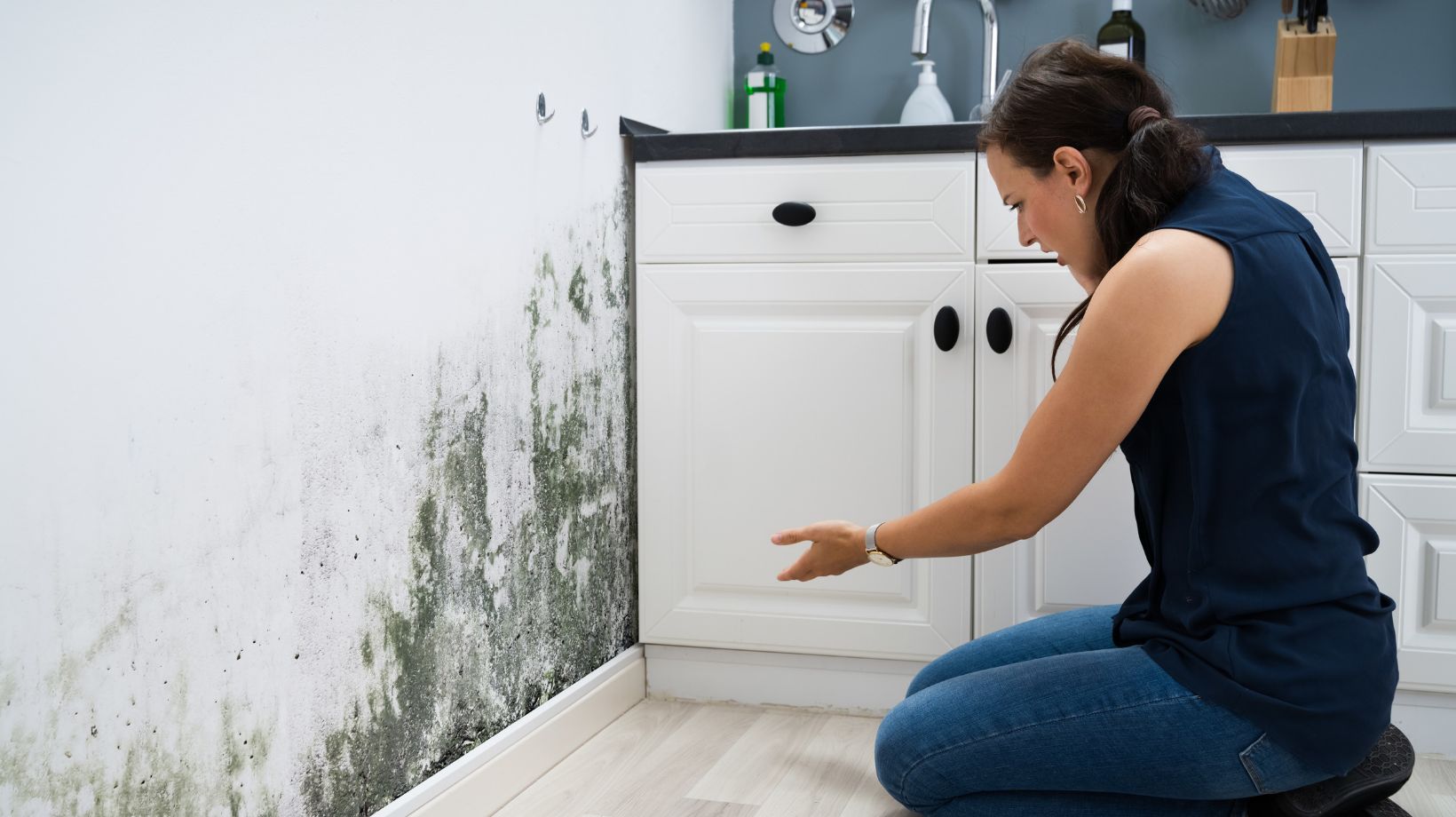

As homeowners become more conscious of their environmental impact, sustainable design has moved from the fringes of architecture into the mainstream. Pools, once seen as symbols of excess water and energy use, are now being reimagined through an eco-friendly lens. With thoughtful planning and the right materials, you can enjoy a refreshing swim while knowing your pool aligns with sustainable living principles.
Choosing Energy-Efficient Equipment
One of the biggest steps toward an eco-friendly pool is investing in energy-efficient systems. Variable-speed pool pumps, for example, use up to 80% less energy than traditional single-speed models. These pumps automatically adjust their speed depending on what’s needed, whether it’s filtering or cleaning. Pairing them with solar-powered heaters or high-efficiency heat pumps can significantly reduce your carbon footprint and monthly energy costs. Smart automation systems also help regulate usage, ensuring you’re only consuming what’s necessary.
To extend the same efficiency to your outdoor space at night, led outdoor flood lights are a smart upgrade—they provide powerful illumination for safety and visibility while using less energy than older halogen fixtures.
Smart Water Conservation
Traditional pools can waste thousands of gallons of water each year through evaporation, backwashing, and leaks. To make your pool more sustainable, consider features that help minimize water loss. Installing an automatic pool cover can reduce evaporation by up to 90%. Additionally, using cartridge filters instead of sand filters eliminates the need for frequent backwashing, which wastes both water and energy. For even greater efficiency, capture and reuse rainwater for refilling purposes—an eco-conscious upgrade that pays off in the long run.
Sustainable Materials Make a Difference
The materials you choose for your pool and surrounding deck play a major role in sustainability. Recycled glass tiles, natural stone, and responsibly sourced wood decking all offer stylish, environmentally friendly alternatives to synthetic or imported materials.
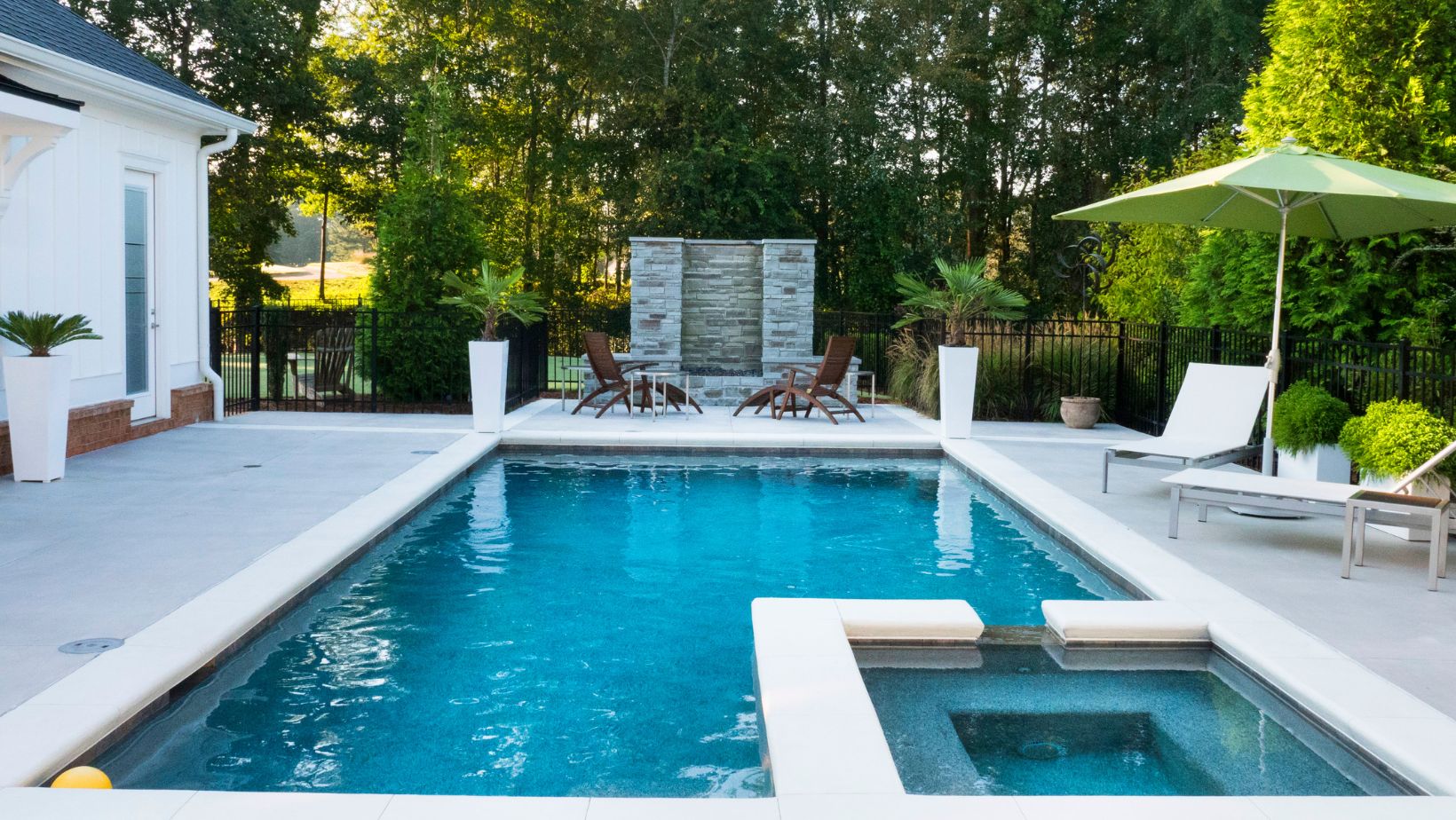
Beyond aesthetics, these materials often last longer and require less maintenance, further reducing waste over time. Opting for locally sourced options also cuts down on the carbon emissions associated with transportation.
Natural Filtration Systems
A growing trend in sustainable pool design is the use of natural filtration systems, often inspired by eco-pools or “natural swimming ponds.” Instead of relying solely on chlorine and chemical sanitizers, these systems use plants, gravel, and biological filters to keep water clean and balanced. While they require careful planning and setup, natural pools offer a beautiful, chemical-free alternative that attracts beneficial wildlife and supports a healthier backyard ecosystem.
Harnessing Solar Power
Harnessing solar energy is another key to eco-friendly pool ownership. Solar panels can power your filtration systems, lighting, and even heating—helping to offset or eliminate electricity costs. While the upfront installation can seem steep, the long-term benefits are undeniable. Solar-powered LED lights can also illuminate your pool area efficiently, creating a warm and inviting ambiance without draining your energy supply.
Low-Maintenance Landscaping
Sustainability extends beyond the water itself. The landscaping around your pool should also reflect eco-friendly values. Native plants and drought-tolerant species require less water, fertilizer, and upkeep. Avoiding chemical pesticides not only protects your pool water from contamination but also preserves beneficial insects and soil health. By integrating natural shade elements like trees or pergolas, you can further reduce heat absorption and help your pool maintain a comfortable temperature naturally.
Recycling and Reuse in Pool Design
Another smart step toward sustainability is incorporating recycled or repurposed materials into your pool’s construction. Many modern pool designers are finding creative ways to reuse concrete, reclaimed wood, and even recycled plastics in decking and furniture. These materials reduce landfill waste and give your outdoor space a unique character. You can also reuse elements from previous builds—like fencing or pavers—to keep costs down and minimize environmental impact.
Eco-Friendly Maintenance Practices
Once your pool is built, maintenance choices matter just as much as design. Switching to saltwater chlorination or mineral-based systems can drastically reduce chemical use while still keeping the water clean and safe. Regularly cleaning filters and checking for leaks can prevent unnecessary energy and water waste. Even scheduling pool pump use during off-peak hours helps lower grid strain and saves money. Sustainable living isn’t about perfection—it’s about small, consistent steps that make a lasting difference.
A Future-Focused Pool Lifestyle
Designing an eco-friendly pool isn’t just a trend—it’s a commitment to a more sustainable lifestyle. Every choice, from efficient equipment to natural materials, contributes to reducing your home’s overall environmental impact. The result is a pool that not only looks stunning but also works in harmony with the planet. By prioritizing sustainability today, you’re creating a space that future generations can enjoy—proof that luxury and responsibility can coexist beautifully. If you are looking for pool companies in Charlotte, NC, there are contractors who can help.