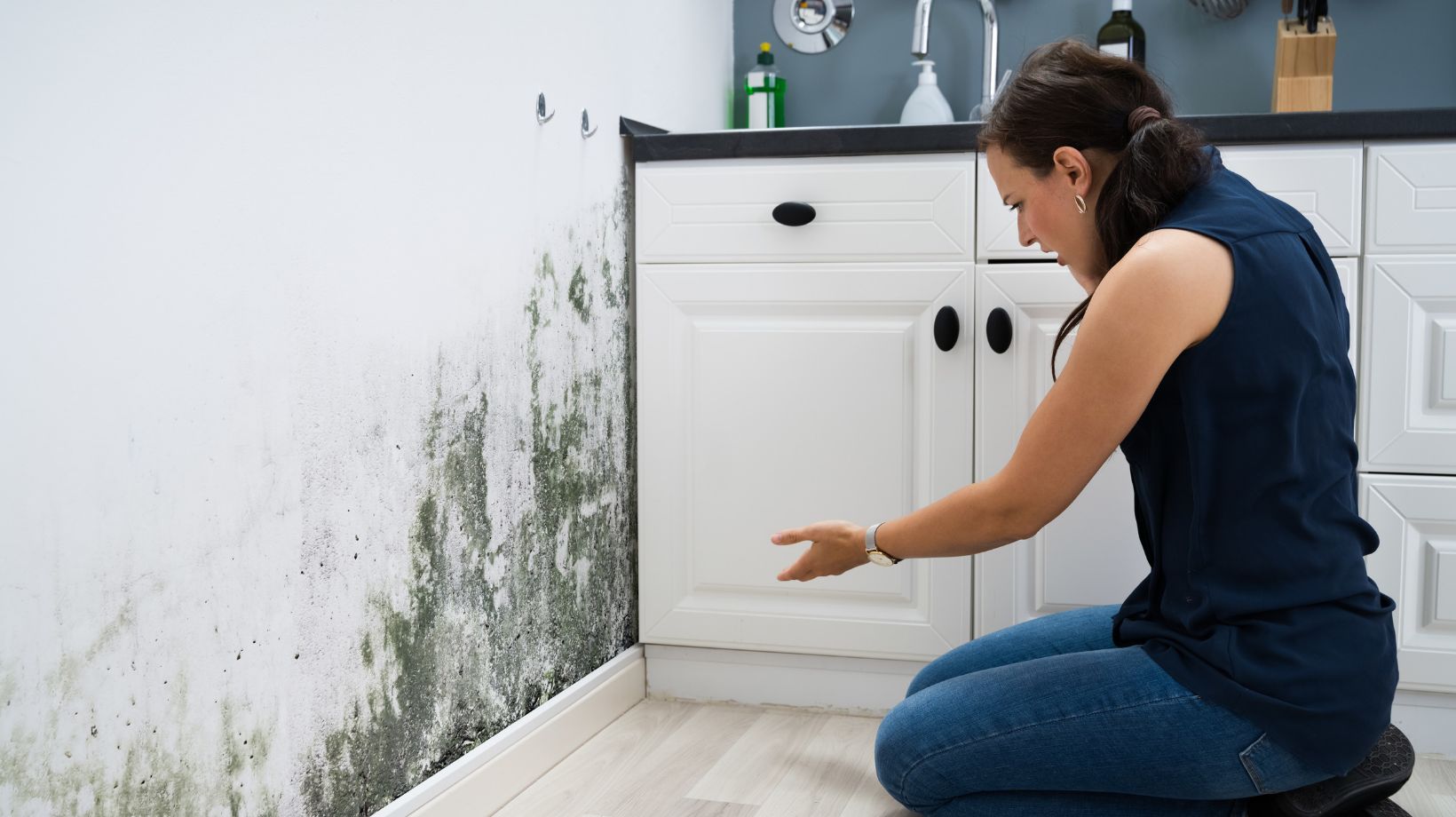
It may be quite a technical term, but actually, a punch list is your home project’s final truth test, especially when there’s already an accomplishment report on your table. It’s the moment where you’re given the chance to spot what’s missing, record what needs fixing, and confirm that every promise is kept before you let go of your payment.
Without this list, you risk paying for “done” when it’s not truly finished because of the lags and gaps your contractor left behind.
The Big Picture: What You’re Looking At
When your home renovation nears the finish line, the big builds might be done, but perfection lies in the details. That’s where the punch list comes in. Originating from old construction practices, it once meant literally punching a hole beside each completed task.
Today, it’s your detailed record of every remaining fix, adjustment, or polish still to be completed before handover and your final payment. Think of it as your ultimate checklist for making sure your home feels truly complete — your standards, fully met.
Who Makes It, What’s On It, and Why It Matters
It’s you and your contractor who create the punch list together, as you walk through your home, like checking the stairs to your attic, and other work you contracted for installation or renovation. Your main objective is to spot every unfinished or imperfect detail so you and your contractor may agree on its final completion.
Many typical items, like paint touch-ups, faulty fixtures, uneven steps, imperfect trim, or incomplete cleaning, can be subjects of your punch list. Each entry defines what still needs attention before the project is truly completed. Also, this list protects your investment, ascertains accountability, and gives you the peace of mind that every promise in your home project is fully fulfilled and delivered.
Your Homeowner-Friendly Step-by-Step to a Clean Punch List
Here’s how you can make this process smooth, precise, and more controlled.
Step 1: Set the stage with a walkthrough
It’s like an inspection, walking through your contracted project when it’s nearly complete; you can take some photos and note any unfinished or unsatisfactory aspects.

Step 2: Document each item clearly
Just record the exact issue, its location, and who’s responsible for fixing it, with photos as your clear evidence.
Step 3: Prioritize and assign deadlines
You can rank each task by importance, assign it to the right person, and set a firm completion schedule.
Step 4: Sync with final cleaning and handover tasks
Your list needs to include not just “fix things” but “clean things up.” Its final cleaning, removal of debris, and inspection of finishes — these are all part of your project’s final scope.
Also, make sure you and your contractor agree on how you’ll sign off on your project. Whether it’s a digital document or paper, there needs to be a formal close-out. This is when you might want to use a convenient app for estimates, like the one you’ll find at Joist. This competently supports templated estimates, revisions, and e-signature attachments, making your final signatures and scope adjustments smoother and more efficient.
Step 5: Verify completion and sign off
Recheck every fix, confirm updates, and sign off only when every item meets your expectations.
Why You Should Care — Insights & Industry Trends
In today’s industry, research shows that about 69 percent of general contractors face hurdles in closing out at least a quarter of their projects, usually because of poor end-phase practices. Some delayed or mismanaged punch lists often cause costly overruns and frustrated clients.
Many experts even note that beginning your punch list early helps you prevent most of these setbacks. Also, today’s digital tools and structured templates can now help homeowners like you and their builders reduce disputes and speed up accomplishments and payments.
Common Mistakes to Watch For
Waiting until “everything is done” to start a punch list is a no-no; instead, begin as major work wraps up, so you’re not left scrambling, and beware of things like:
- Vague descriptions like “fix wall” instead of “repair crack at north wall, 2nd floor master bedroom, 10 cm long, paint to match existing.”
- Not taking photos or documenting issues — without visuals, it’s easy for disputes to spring up.
- No final sign-off or clear responsibilities — that’s when items linger.
- Neglecting the final cleaning/details that matter to you as a homeowner. A crooked door trim or a missing outlet cover may feel minor, but it can shape your everyday life.
Bottom line
You’re the homeowner, so you need to be in the driver’s seat when it comes to your projects. With a well-crafted punch list, you can make sure the project you commissioned is truly the project you’ll receive. You’re not just handing over a check later — you’re doing a handover of your finished space. With all these steps, you’ll end the process with confidence, clarity, and a home that’s finished the way you expect it to be.