Table of Contents
ToggleYour electric bill arrives, and the total is higher than you expected. A few targeted energy-efficient home upgrades may help lower future bills while reducing your environmental footprint. From replacing light bulbs to substituting with more efficient heating equipment, you can start with a change that fits your budget and plan larger improvements over time.
Contents
How Home Changes Can Help Cut Costs and Emissions
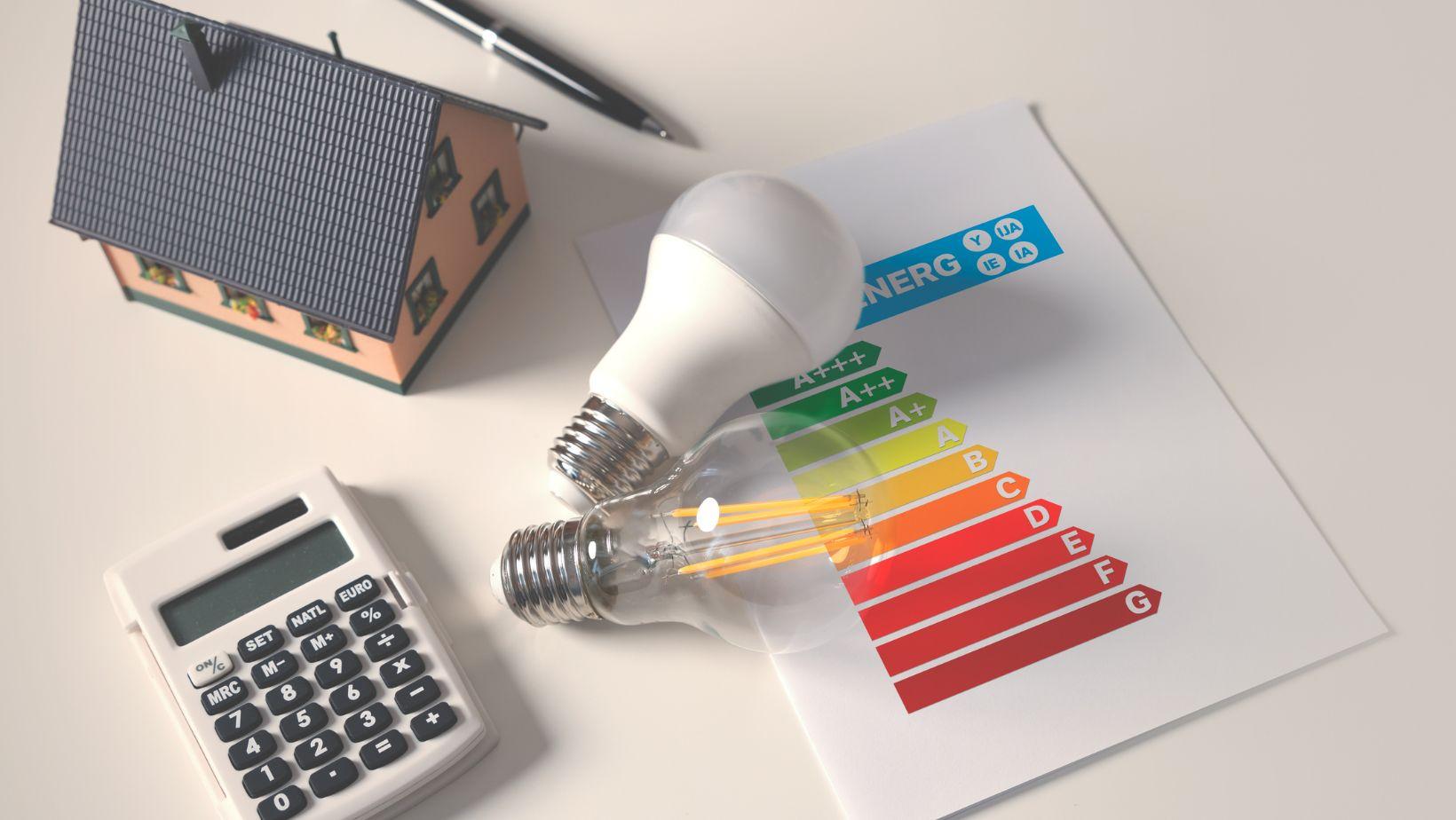
Your home uses energy every time you turn on a light or adjust the thermostat. Residential energy use accounts for almost 20% of national greenhouse gas emissions. Building an energy-efficient home can help you reduce your share while managing everyday costs.
Much of the electricity supplied to your home comes from burning fossil fuels. Using less power may mean less fuel burned and fewer emissions from electricity generation. Savings depend on your appliances and habits. Below are five upgrades to consider.
1. Upgrade to a High-Efficiency Furnace Fan
Your furnace fan uses a motor to push heated or cooled air through your ductwork. In many older systems, the motor runs at a fixed speed rather than adjusting to changing airflow needs. A variable-speed motor can adjust airflow and may use less electricity.
Since 2019, the federal Fan Energy Rating (FER) standard has required new residential furnace fans to meet minimum efficiency levels, encouraging more efficient motors. It is projected to save Americans over $9 billion on electricity bills through 2030 and lower carbon pollution by up to 34 million metric tons.
When buying or replacing a furnace, check that the fan meets the current FER standard and ask your HVAC contractor whether a variable-speed motor would suit your home. Request a written comparison of compatible fan options, including installation costs and estimated electricity use.
2. Switch to Light-Emitting Diode (LED) Light Bulbs
Incandescent bulbs emit considerable energy as heat rather than as useful light. Switching to LED bulbs can reduce the electricity required for comparable brightness, which may also lower emissions associated with powering your home’s lights.
Although you may pay more for an LED initially, compare running costs before deciding. A 12-watt LED produces brightness similar to that of a 60-watt incandescent bulb. For 1,000 hours of use, the estimated electricity cost is $1.32 for the LED and $6.60 for the incandescent bulb.
If your home has about 40 light bulbs, the per-bulb difference can multiply across your rooms. Still, these figures assume a rate of 11 cents per kilowatt-hour, so your costs will depend on your electricity rate. Start with the lights you use most often, then work through the remaining fixtures as your budget allows.
3. Change to a Heat Pump
An air-source heat pump transfers heat from outdoor air into your home. This process can use less energy than burning fuel or relying on electric resistance to generate warmth, making it an option worth considering for a greener home with lower energy bills.
According to the National Renewable Energy Laboratory, heat pumps could lower average home energy use by 31%-47%, depending on equipment efficiency. Its analysis also projected a 36%-64% drop in residential greenhouse gas emissions, including from additional electricity generation.
Ask a licensed HVAC contractor for an installation estimate sized to your home’s square footage and climate. Compare the up-front price with estimated operating costs to decide whether the upgrade fits your budget. Bringing recent utility bills helps the contractor tailor estimates.
4. Switch to an Induction Cooktop
An induction cooktop uses an electromagnetic field to heat cookware directly. Less energy escapes into the surrounding space, and you may spend less time waiting for food or water to heat. Induction appliances can be three times more efficient than gas stoves and up to 10% more efficient than standard smooth-top electric stoves.
Using less energy to prepare meals may lower cooking costs and associated emissions. An induction cooktop can also avoid the indoor combustion pollutants produced by gas burners, so your ventilation system may not have to work as hard.
You might worry that switching to induction means buying a full set of cookware along with an expensive new range. However, pots and pans with flat bottoms that attract magnets can work on an induction cooktop, so you may already have what you need. You can also try a single-burner unit for around $70 before committing, according to the Department of Energy.
5. Install a Low-Flow Showerhead
A standard showerhead uses 2.5 gallons of water per minute, while a WaterSense-labeled model uses no more than 2.0 gallons. With less hot water flowing down the drain, your water heater needs less electricity or gas to supply your shower.
The Environmental Protection Agency estimates that the average family could save about 2,700 gallons of water and more than 330 kilowatt-hours of electricity each year by making the switch. Your specific savings will depend on your shower habits and water heater.
Look for the WaterSense label when choosing your replacement. Follow the manufacturer’s instructions to install the new showerhead. Using less hot water may help lower your utility bills while easing the emissions associated with heating water for your home.
Small Upgrades Can Add Up to Big Savings
Your next step toward a more efficient home can fit the budget you have today. Pick one or two upgrades to start this month and consider larger changes when your heating system or cooking equipment needs replacing. Each choice offers an opportunity to use energy more thoughtfully, with potential savings for your household and a lighter environmental footprint over time.