
Walk around your home’s exterior. Notice that green tinge spreading across the northern wall? The gutters sagging under debris? The paint around windows showing fine cracks? Most homeowners see these as separate, minor issues—until water starts dripping through the ceiling.
Exterior home maintenance isn’t about perfection—it’s about understanding how your home’s outer surfaces work together as a protective system. Australian building professionals, including multi-trade providers like TQN Construct and similar firms, emphasize that homeowners treating exterior cleaning, painting, and roof care as interconnected activities consistently avoid expensive emergencies.
Contents
Why Exterior Maintenance Matters More Than You Think
Your home’s exterior faces relentless assault. UV radiation breaks down paint. Rain carries dirt and biological growth. Wind deposits debris. Seasonal temperature swings cause expansion. These forces compound each other’s damage.
Dirt holds moisture against surfaces. Moisture enables mould growth. Biological growth accelerates paint breakdown. Paint failure exposes substrates to water penetration. Water infiltration causes rot and structural damage. Clogged gutters overflow, directing water into wall cavities and compromising foundations.
Cleaning, Painting and Roofs – One System
Cleaning reveals early damage—cracks, blistering, rust, loose caulking—allowing intervention before issues become major. Quality paint on properly prepared surfaces protects substrates from moisture and UV. Sound roofing and drainage keep water flowing away rather than into wall cavities.
Preventative maintenance research shows regular inspections and minor interventions reduce total lifecycle costs compared with waiting until failures force action.
Start at the Top – Roofs and Gutters
Water damage begins above eye level. When your roof and gutter system fails—even partially—consequences cascade downward.
Common Issues Cleaning Reveals
Regular cleaning reveals developing problems before interior damage. Debris in gutters creates dams forcing water under tiles. Blocked downpipes cause overflow saturating walls. Moss holds moisture against materials. Rusted sections spread. Loose flashings allow water entry during heavy rain.
Roofing is recognized as a specialist trade—proper diagnosis requires specific technical knowledge and safety equipment. While ground-level visual inspection is safe for homeowners, anything involving height or structural assessment belongs with qualified professionals.
Homeowners can safely handle ground-level visual inspections using binoculars, basic gutter clearing where access is safe, watching for water overflow during rain, and checking for ceiling stains after weather events. Leave to professionals: work requiring ladders above single-storey height, gutter repairs beyond cleaning, tile replacement, roof coating, and structural assessment.
When engaging experienced roof inspection and repair specialists, you’re getting diagnostic expertise to identify underlying issues before they cause interior damage.
Annual Planning
Insurance providers recommend at least annual roof and gutter inspection and cleaning, with additional checks following severe storms. Schedule gutter cleaning for late autumn after leaves fall and early spring before heavy rain. Clear gutters and sound roofs provide first defence against water damage and interior repair costs.
Exterior Cleaning That Protects, Not Damages
Not all cleaning methods are equal. Aggressive techniques can force water behind cladding or damage surfaces—creating more problems than they solve.
Soft-washing uses lower pressure with cleaning solutions to remove dirt and mould without damaging surfaces. This suits most residential exteriors including rendered walls, timber cladding, painted surfaces, and delicate details.
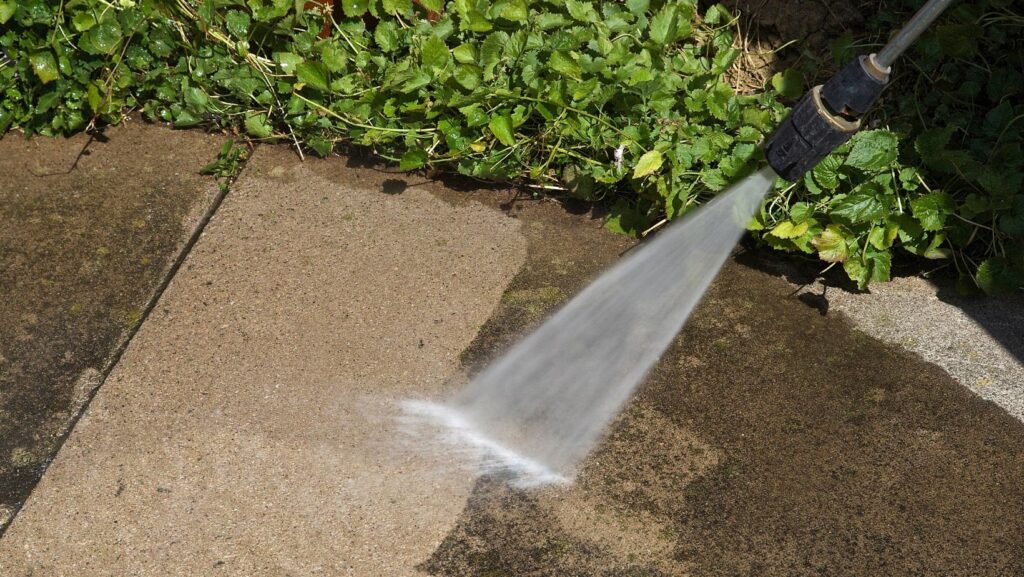
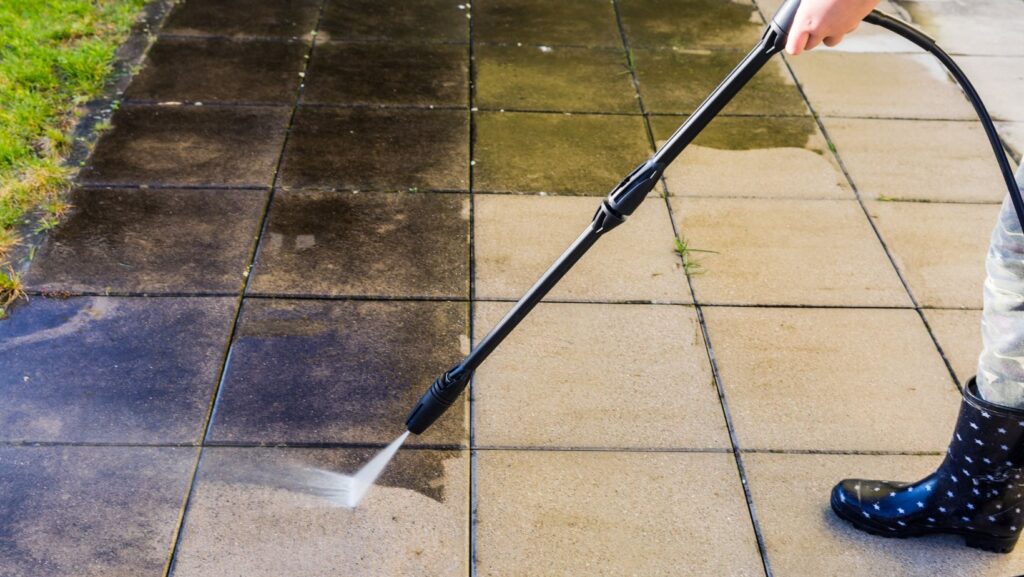
High-pressure washing has limited appropriate applications—hard paving and heavily soiled concrete. Even here, technique matters. Directing high-pressure water upward under weatherboards or into gaps forces moisture into wall cavities causing hidden damage.
Watching for Damage While You Clean
Cleaning provides opportunity to inspect closely. Look for hairline cracks allowing moisture penetration, areas where paint is chalking or flaking, deteriorated caulking around windows and doors, rust spots on metal elements, and soft spots in timber indicating rot.
Catching these during routine cleaning allows simple spot repairs instead of extensive remediation, delivering substantial cost savings compared with waiting until problems become urgent.
Paint Systems – Locking In Clean Surfaces
Paint serves dual purposes—aesthetic appeal and substrate protection. When paint fails, both functions degrade, creating visual deterioration and allowing damaging moisture penetration.
Quality paint creates barriers protecting substrates from moisture infiltration, UV radiation, dirt and biological growth, and minor mechanical damage. Coatings applied to properly prepared surfaces extend substrate life by years compared with unprotected materials.
Regular cleaning removes contaminants accelerating paint degradation. Paint in good condition is easier to clean and resists biological growth. For larger repainting projects or complex surfaces, consulting with professional exterior painting and maintenance services ensures appropriate product selection and application techniques maximizing coating lifespan.
Low-VOC Options
Volatile organic compounds in traditional paints create fumes that can enter living spaces. Low-VOC formulations offer reduced odours, faster return to normal use, and better environmental outcomes. Modern low-VOC exterior paints match or exceed traditional formulations for durability while minimising health impacts.
Repaint Timing
Repaint frequency depends on climate, exposure, and coating quality—generally five to ten year cycles for Australian homes. High-stress zones requiring closer attention include northern and western façades receiving maximum sun, coastal properties facing salt spray, timber surfaces showing moisture-related movement, and areas around windows and doors where water concentration accelerates deterioration.
A Practical Maintenance Schedule
Systematic approach beats reactive scrambling. A simple schedule covering quarterly checks and annual attention catches problems early.
Quarterly Tasks
Every three months, conduct quick walk-arounds examining gutters for blockages, visible roof edges for damage, walls for new staining or growth, and paved areas for pooling water. This fifteen-minute inspection costs nothing but identifies issues while minor.
Annual Deeper Attention
Once yearly, schedule comprehensive attention including thorough cleaning of high-priority exterior areas, complete gutter and downpipe cleaning, detailed roof inspection from ground level, checking all exterior caulking, and examining paint condition for early failure signs.
Schedule it for consistent timing—early spring or autumn—making it routine rather than something easily deferred.
Prioritizing Repairs
Limited budgets require triage. Address immediately: active leaks, structural damage including rotten timber, safety hazards like loose tiles, and heavy mould indicating moisture problems.
Schedule short-term: widespread paint failure, cracked render allowing water entry, damaged guttering, and failing window seals. Plan for later: purely aesthetic upgrades and repainting surfaces still providing adequate protection.
When to Bring in Professionals
DIY capability varies. Know your limits—working beyond your skill creates risk and often costs more when professionals must fix DIY attempts.
Indicators requiring professional assessment include recurring leaks despite repairs, widespread cracking suggesting structural issues, extensive mould behind paint, evidence of roof movement, and situations requiring work at height beyond your comfort.
Building maintenance providers like TQN Construct and similar multi-trade specialists offer advantages of coordinating related work—roof repairs, gutter replacement, exterior painting—through single-point accountability.
When engaging professionals, ask about surface preparation methods, products recommended, warranties provided, safety procedures, and compliance with standards. Request before-and-after documentation and maintenance recommendations specific to the work performed.
Key Takeaways
- Most exterior problems telegraph warnings through visible signs—learning to recognize hairline cracks, early mould growth, and paint deterioration means catching issues while fixes remain simple and affordable.
- Quarterly fifteen-minute walk-arounds cost nothing but consistently identify developing problems; taking photos creates a visual record showing whether issues are stable or progressing rapidly.
- The boundary between safe DIY and “call a professional” isn’t about saving money—it’s about safety and preventing damage that costs more to fix than the original problem would have.
- External cleaning reveals hidden damage you can’t see from casual observation; scheduling cleaning and inspection together maximizes the value of both activities.
- Gutter cleaning and roof inspection feel like separate tasks but they’re interconnected—blocked gutters cause roof overflow, and roof debris blocks gutters, creating a cycle that accelerates damage when either is neglected.
Your home’s exterior is constantly working to protect everything inside. Give it the attention it deserves, and it will serve you reliably for decades. Neglect it, and you’ll face expensive repairs at the worst possible times.