There is a saying that the grass always looks greener on the other side but we’ve now found out that the water bill is also higher! That being said, everyone loves a well-kept lawn because it makes the house more aesthetically appealing and welcoming. In addition it increases the property value and makes the outdoor space useful and conducive for play and relaxation.
Although we have come to realize that the water bill of a well-kept lawn is higher, that’s not all it takes to achieve a perfect lawn. The first step to getting this perfect lawn is getting the grass installation right. You can visit https://mrlawn.ca/ for more information on this. For those who already have their turf installed but not getting what they expected from the lawn, you can consider sod replacement.
In this article, we will explore how proper turf installation or sod replacement determines the healthy growth of your lawn and how long it will last.
Why Proper Grass Installation Matters
For your turf installation to be successful and give you the type of lawn that you want, your foundation must be right. This means checking out the soil, topography, access to sunlight amongst other factors. Getting these factors right will determine the depth of the roots, resistance to weed and adaptation to heat, foot traffic or drought.
If you do your installation correctly, the following are some benefits that you’ll get:-
- Healthy turf that grows evenly
- Improved water absorption and reduced runoff
- Less need for constant maintenance or repair
- Fast established and long lasting lawn
In summary, when you invest time (by DIY) or money (by hiring an expert) to properly install your turf, you end up with a very healthy lawn that will last through the seasons.
Choosing Between Seeding and Sod Installation
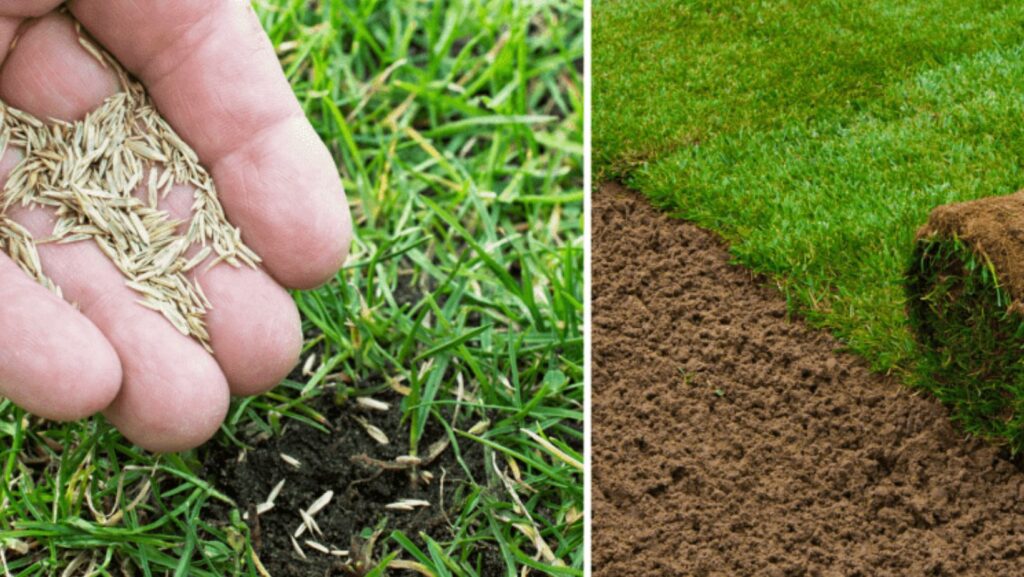
One of the first things to consider before you start is to determine whether you want to seed or install sod. You can click here to see the difference.
Each of the methods has its advantage and disadvantages. Let’s consider the two methods:-
Grass Seeding
This entails planting the seeds straight into the soil that you have prepared. This is a more affordable method and it also enables you to choose the type of turf that suits the climate of your region. However, the seed will take some time before it takes root and the lawn is established and it also needs to be consistently watered and cared as the seed germinates.
Pros
The pros of this process include the following:-
- Cheaper than sod
- Easy to repair or patch
- More option of grass to choose from
Cons
- Takes time to grow
- It is susceptible to weeds, erosion and dry spells in the early days
- Must be carefully watered and maintained
Sod Installation
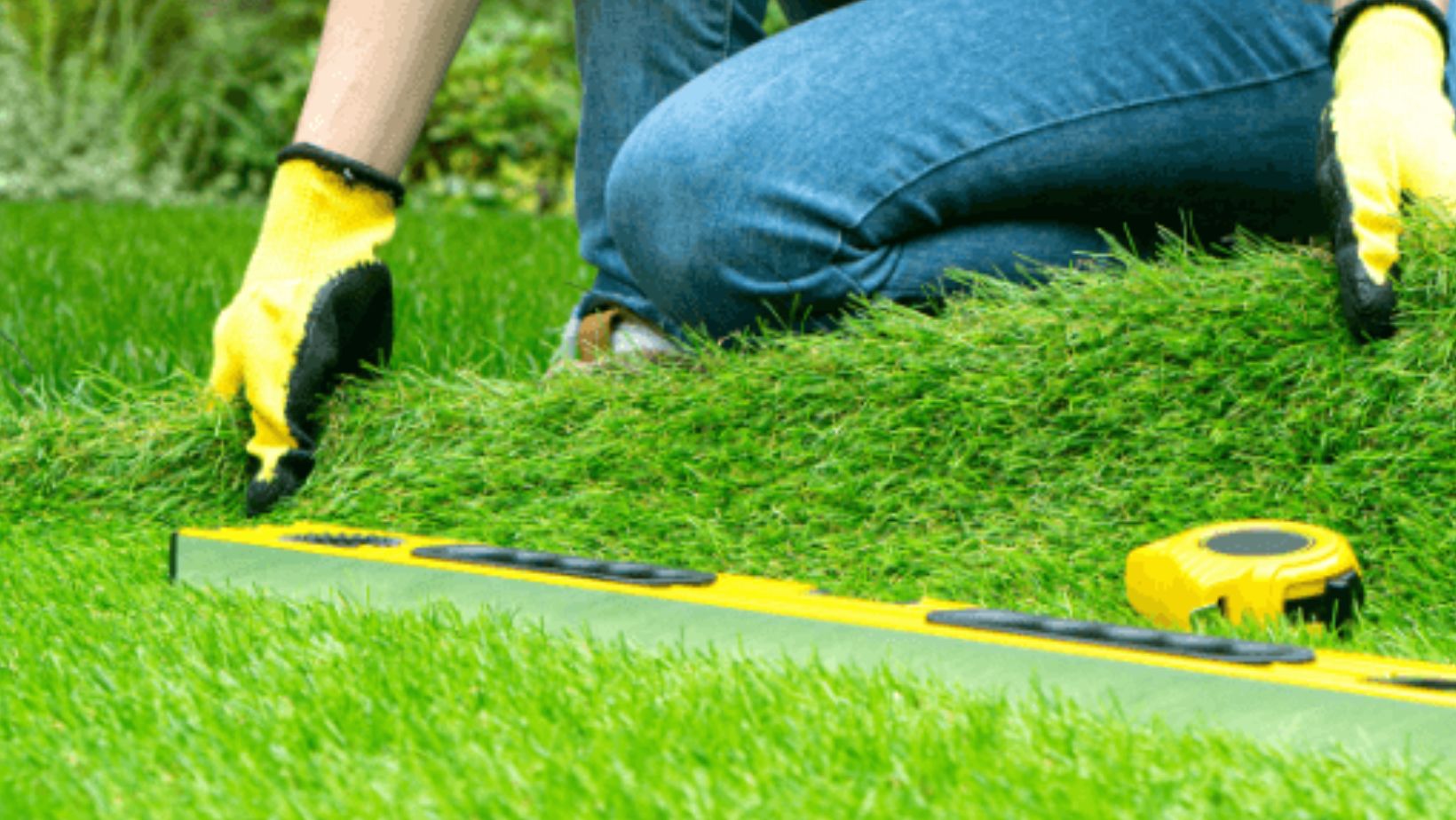
Sod is grass that is pre-grown in squares and rolls and laid directly on already prepared soil. This option gives you an already made lawn from the get-go.
Pros
The pros of this method include the following:-
- Immediate results
- Prevention of soil erosion and suppression of weed growth
- Flexible for installation
Cons
- It is costlier than seeding
- Must be precisely installed to avoid poor rooting or gaps
- Choices of grass option is limited
Quick Tips for Successful Sod or Grass Installation
The following are tips to help you get your installation right:-
- Clear and level the space for the grass
- Test and prepare the soil
- Seed or install correctly
- Water very well
- Do not mow until the grass is about 3 inches high and after that water regularly and apply fertilizer based on expert recommendation.
Pro Tips for Long-Lasting Lawns
- Make sure you choose the grass that suits your climate
- Aerate it annually
- Fertilize it seasonally
- Mow your grass high and regularly
- Be consistent with watering it
You can visit this site: https://www.tomsguide.com/ for more details on lawn care for durability.
Conclusion
When considering grass installation, you need to note things that will help you get exactly the type of lawn you want and what will help the greens last long. We have discussed some basics and shared some quick tips for maintenance.
Although you can read up information and carry out these tasks by yourself, we always recommend professional care for your outdoor greens. With professionals handling your lawn from installation to maintenance, you have peace of mind and also get to enjoy a lush green outdoor space without breaking a sweat.