
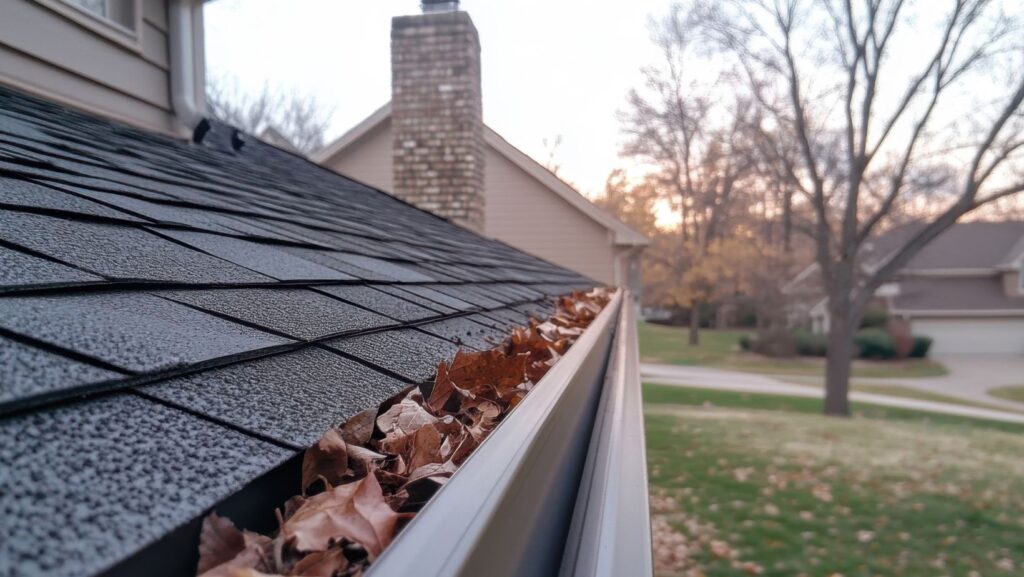
Home maintenance like gutter cleaning is one of the most effective ways to protect your home. While it can feel like a chore on a long list, timing your gutter cleaning switch the seasons ensures that rainwater can flow through your system year-roound. Here is how often gutters should be cleaned, based on seasonal needs.
Spring: Clear Winter Debris
Spring is one of the two most important seasons for gutter cleaning. After winter, gutters often contain leftover debris such as twigs, leaves, and decayed organic matter that accumulated before and during colder months. Snow and ice can also compact debris against the bottom of gutters, making it harder for water to drain effectively. Cleaning your gutters in early spring prepares your home for the upcoming rainy season and prevents water from clogging up and back-upping against your roof or walls.
A spring clean also gives you a chance to inspect gutters for any winter damage that might need repair before heavy rains arrive. For most homes, this seasonal cleanup is essential.
Summer: Inspection and Mid-Season Checks
Summer isn’t always a heavy debris season in many regions, but it’s still a good idea to check your gutters at least once during this time, especially after heavy storms or winds. Twigs, seeds, and even nests can accumulate during summer, particularly if you live in an area with lots of trees. Homes surrounded by deciduous trees may see less debris in summer compared with fall, but periodic checks help catch buildup before it becomes a clog.
If you notice significant debris buildup during a summer inspection, it’s wise to remove it even if it isn’t a full cleaning. Doing so keeps water flowing and prevents small blockages from turning into big problems.
Fall: The Critical Cleanup
Fall is often the most crucial season for gutter cleaning, especially in areas with deciduous trees. Leaves, acorns, and other organic matter fall in large quantities during autumn, and gutters can fill quickly. If this material isn’t removed, it can trap water, lead to clogs, and create conditions for ice dams in winter. Protecting your gutters before the first freeze helps prevent water from backing up under shingles or overflowing onto walls and foundations once temperatures drop.
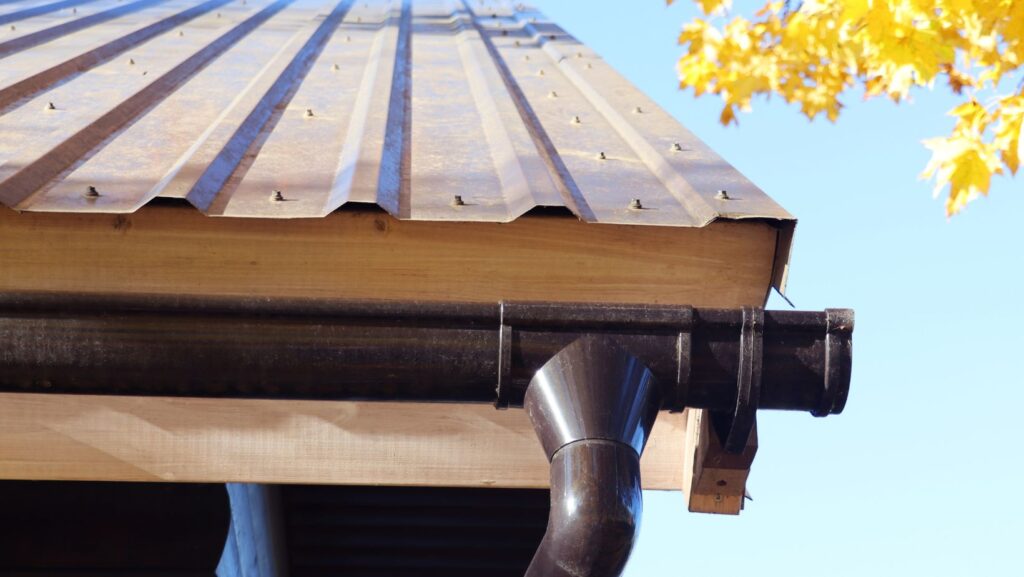
Because of this significant debris load, many experts recommend cleaning gutters once early in the fall and again later in the season if tree cover is heavy.
Winter: Occasional Checks When Needed
Winter may not seem like a typical gutter cleaning season, but it can still affect your drainage system. Snow, ice, and freeze-thaw cycles can cause debris to compact and block downspouts. If you live in a region with frequent winter storms or ice buildup, it may be worth checking gutters when temperatures rise and doing a light cleaning if you notice blockages or ice dams forming.
Tailoring Frequency to Your Home
While the general recommendation is to clean gutters at least twice a year, your home’s specific situation may call for more frequent attention. Homes surrounded by trees may need gutter cleanings every few months to prevent rapid debris buildup, while homes with minimal foliage can often manage with seasonal cleanings and occasional inspections.
Conclusion
A seasonal cleaning schedule keeps your gutter system functioning as intended and prevents water from damaging your roof, siding, foundation, and landscaping. Aim for:
- Spring: Major seasonal cleanup
- Summer: Occasional inspection and spot cleaning
- Fall: Critical debris removal
- Winter: Additional checks if debris or ice is present