
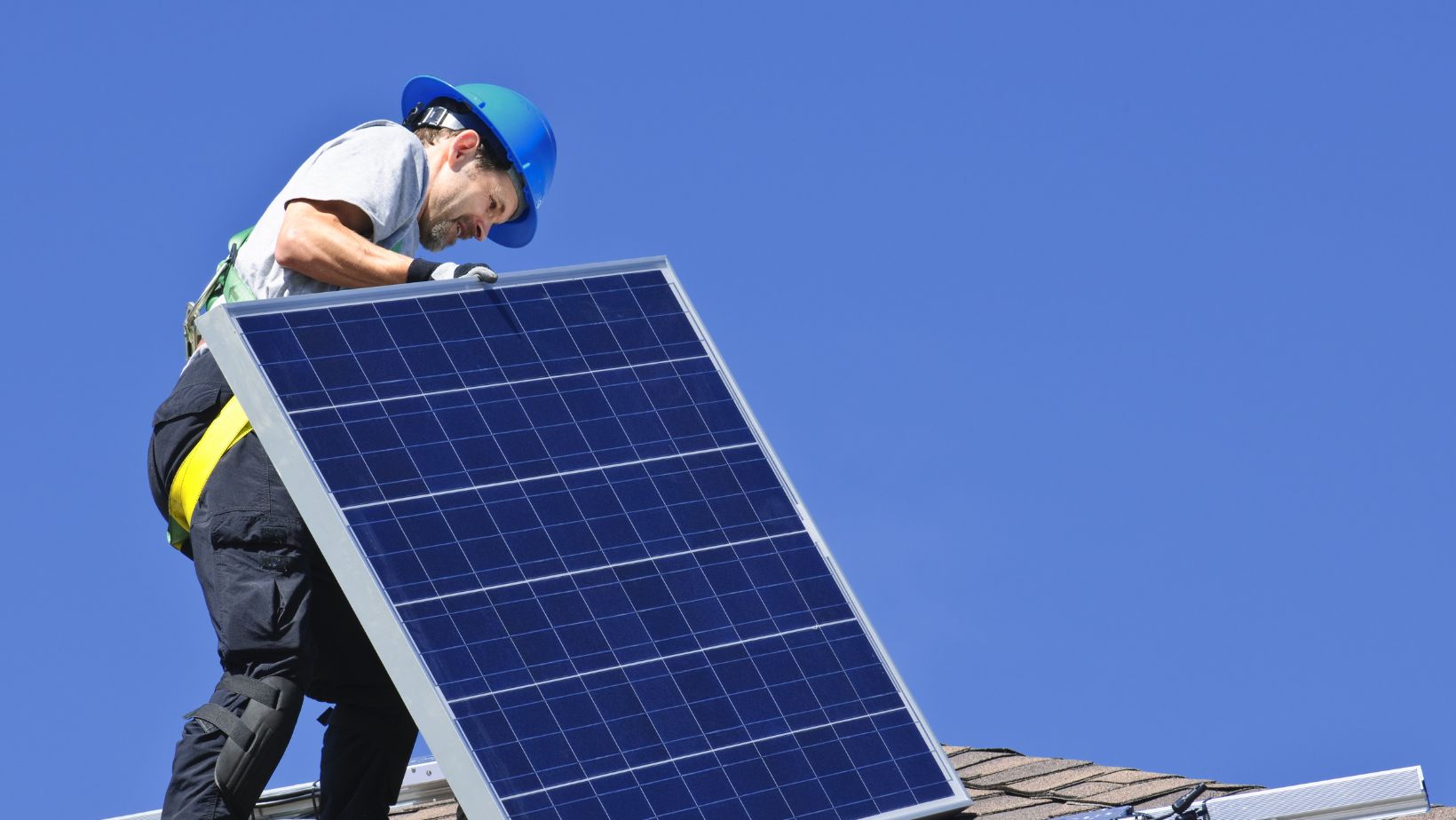
Harnessing the sun’s energy efficiently is the cornerstone of a well-functioning solar power system. Designing such a system requires careful consideration of many factors to capture as much sunlight as possible throughout the day and across seasons. Achieving maximum sun exposure not only boosts energy output but also improves the long-term return on investment for solar users. We will explore how solar installers approach system design, focusing on capturing optimal sunlight. By understanding the strategies and methods they use, homeowners and businesses can appreciate the thoughtful planning behind a solar installation that truly maximizes its potential.
Key Strategies Solar Installers Use to Capture Maximum Sunlight
1.Site Assessment and Analysis
Solar installers begin by thoroughly assessing the installation site to understand the environment and conditions that will affect sunlight availability. For example, companies like those featured at https://northvalleysolarpower.com/location/auburn-ca/ conduct detailed evaluations that include analyzing the location’s geographical position, typical weather patterns, and any shading obstacles such as trees, buildings, or nearby structures. Installers often use tools like solar pathfinders or shading analysis software to map the sun’s trajectory across different times of the day and year. This detailed evaluation helps identify the best placement and orientation for solar panels. A panel positioned without shading and aligned to face the sun’s path ensures it receives the highest possible irradiance. Missing this step can lead to significant energy losses, so installers dedicate considerable effort to precise site analysis before proceeding.
2.Optimizing Panel Orientation and Tilt
Positioning solar panels to face the sun directly as much as possible is crucial for maximizing energy capture. Installers focus on the orientation—usually true south in the Northern Hemisphere or true north in the Southern Hemisphere—as this direction offers the most consistent sun exposure throughout the year. However, installers also consider the specific latitude of the location to determine the ideal tilt angle for the panels. The tilt angle influences how perpendicular the panels are to incoming sunlight, which can vary seasonally as the sun’s height changes. Adjusting the tilt angle to match seasonal sun positions can enhance energy yield, particularly in regions with pronounced seasonal variations. Some installations incorporate adjustable mounts to fine-tune tilt angles, further optimizing sunlight capture periodically.
3.Avoiding and Managing Shading
Even small shadows on solar panels can drastically reduce their output, so managing shading is a top priority for installers. After identifying shading sources during the site assessment, installers design the layout to minimize the impact. This may involve choosing a different part of the roof or ground to install the panels, trimming or removing nearby foliage, or spacing panels to avoid shadows cast by adjacent arrays or structures. In some cases, installers use microinverters or power optimizers, which allow individual panels to operate independently. This way, shading on one panel doesn’t drag down the performance of the entire system. By effectively handling shading, installers ensure that solar arrays maintain consistent and efficient energy production.
4.Using Technology for Precise Design
Modern solar installers utilize advanced design software to create accurate models of how a system will perform in a given location. These tools simulate solar irradiance based on local climate data, shading analysis, and panel specifications. Through this modeling, installers can experiment with different layouts, orientations, and tilt angles to determine the combination that will yield the highest energy output. Technology also aids in assessing electrical factors, such as wiring losses and inverter efficiency, which impact overall system performance. By leveraging precise simulations and data-driven planning, installers move beyond guesswork to craft solar systems tailored to the unique conditions of each installation site.
In the same way, planning exterior lighting should also be intentional—installing 120v outdoor post lights along driveways, walkways, or entry points benefits from smart placement and electrical efficiency considerations to ensure reliable performance and consistent illumination year-round.
5.Considering Seasonal Variations
Sun exposure varies significantly throughout the year due to the Earth’s tilt and orbit, which affects the amount of solar energy available. Installers design systems to handle these fluctuations by selecting tilt angles and orientations that balance energy capture over all seasons. In some regions with long winters and low sun angles, installers might prioritize optimizing performance during months with limited daylight. Conversely, in areas with intense summer sun, the design may aim to maximize output during those peak months. Some installations even include tracking systems that follow the sun’s movement to maintain optimal alignment throughout the day. However, these are more common in large-scale solar farms than residential setups. By accounting for seasonal shifts, solar systems maintain steady production throughout the year.
6.Ensuring Structural and Environmental Compatibility
While maximizing sun exposure is critical, installers must also ensure that solar systems comply with the structural limits of the building or land and relevant environmental regulations. Roof load capacity, wind resistance, and local building codes influence how and where panels can be mounted. Installers balance the ideal solar orientation with these physical constraints, sometimes making compromises to maintain safety and compliance. For ground-mounted systems, soil conditions and environmental impact assessments play roles in site selection and design. By integrating structural and environmental considerations, installers create solar arrays that not only capture maximum sunlight but also stand the test of time and regulations.
Maximizing sun exposure is the foundation of effective solar system design. Solar installers employ a comprehensive approach that combines environmental understanding, technology, and practical considerations to design efficient solar arrays. Whether it’s a rural setup or an urban solar installation Irvine project, professionals assess site-specific conditions, optimize panel orientation and tilt, address shading, and account for seasonal variations to ensure maximum sunlight capture. Structural and maintenance needs are also balanced within the design to ensure long-term performance. Understanding these design principles helps illuminate the careful work that goes into each solar installation, paving the way for energy savings and environmental benefits that come from tapping the sun’s abundant power.