
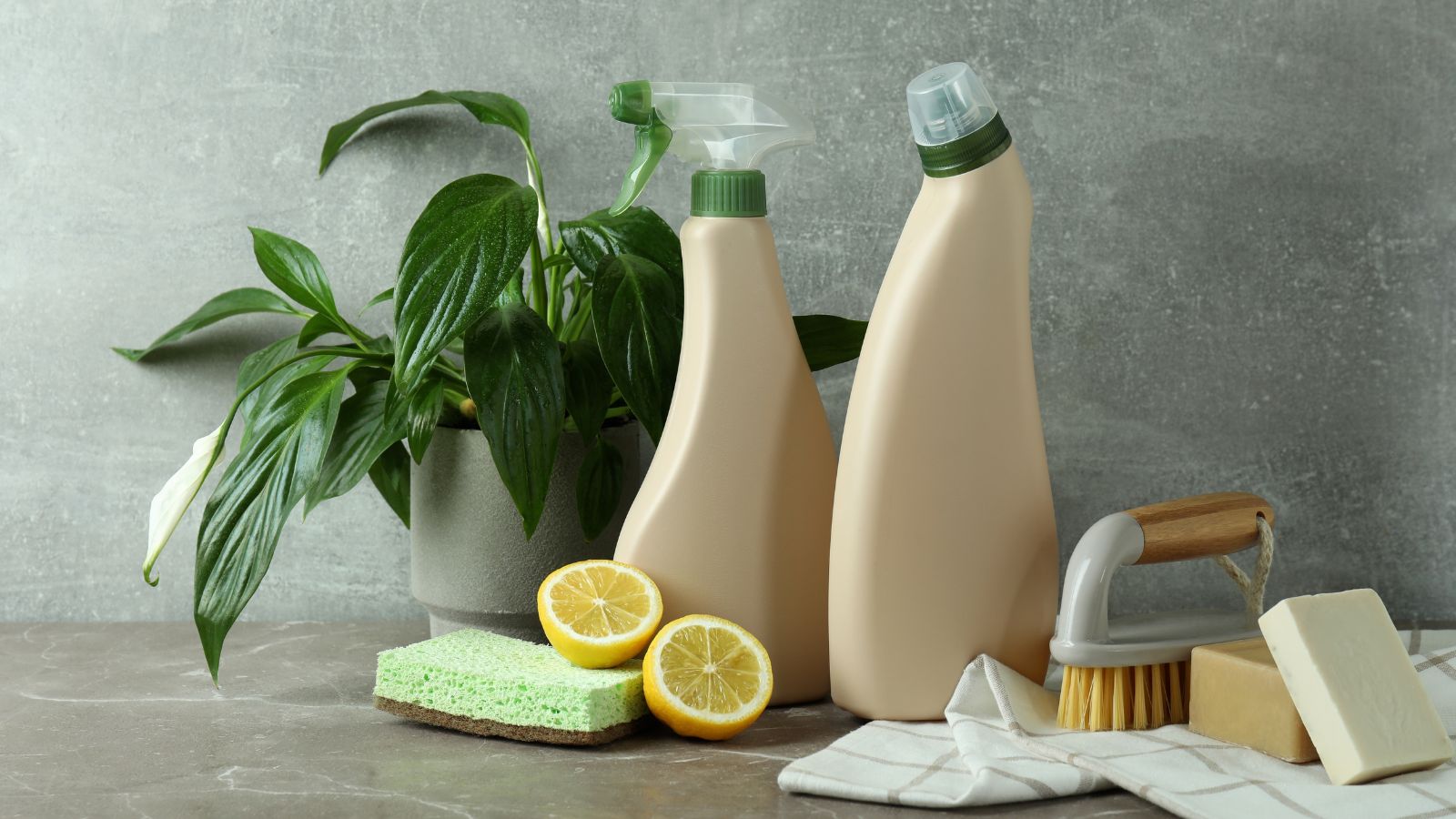
In today’s environmentally conscious world, sustainable living has become a priority for households everywhere. Our daily choices, right down to how we clean our homes, leave lasting impressions on our environmental footprint. Embracing eco-friendly cleaning practices does more than just reduce carbon emissions—it creates healthier living spaces for ourselves and our loved ones.
Understanding the Environmental Impact of Home Cleaning
Conventional cleaning approaches carry surprising environmental costs. From excessive energy consumption to unnecessary waste generation and resource depletion, everyday cleaning routines can burden our planet in ways we might not realize. Household appliances contribute significantly to environmental impact throughout their entire life cycle—from manufacturing and daily use to eventual disposal.
Choosing Eco-Friendly Cleaning Equipment
Energy Efficiency and Appliance Selection
The selection of energy-efficient appliances stands as a cornerstone of environmentally responsible home cleaning. Consumer testing organizations have revealed remarkable differences in energy usage across cleaning devices. When deciding between corded and battery-powered options, look beyond mere convenience to consider the long-term environmental implications of your choice.
The Role of Cordless Technology
Many homeowners now gravitate toward cordless vacuum cleaners for their convenience and potential to lower electricity consumption, though it’s worth balancing these advantages against the environmental costs of battery production and disposal. While cordless technology offers undeniable flexibility and often reduced energy consumption during operation, environmentally conscious consumers should weigh these benefits against the ecological footprint of battery manufacturing and the challenges of proper end-of-life handling.
Reducing Waste in Cleaning Routines
One of the most impactful ways to enhance cleaning sustainability is through waste reduction. Washable and reusable filters provide clear environmental advantages over their disposable counterparts. By selecting appliances with reusable components, maintaining your equipment to maximize its lifespan, and responsibly recycling old appliances and batteries, you can dramatically decrease cleaning-related waste.
Consider this real-world impact: a typical family of four that switches to vacuum cleaners with washable filters prevents roughly 12 disposable filters from entering landfills annually, while simultaneously reducing household expenses.

Cleaning Practices That Support Sustainability
Incorporate these eco-friendly cleaning habits to further lighten your environmental impact:
- Opt for natural or biodegradable cleaning solutions instead of harsh chemicals
- Clean strategically to minimize energy and water usage
- Establish regular maintenance schedules for appliances to ensure peak performance
- Replace paper towels with reusable microfiber cloths for most cleaning tasks
Key Takeaway: Seemingly minor adjustments to cleaning habits can yield substantial environmental benefits when practiced consistently.
Weighing the Pros and Cons: Making Informed Choices
When selecting cleaning equipment, take a holistic view of environmental factors. Energy-efficient models might demand a higher initial investment but conserve resources throughout their lifespan. Similarly, appliances built to last may cost more upfront but reduce manufacturing impact and waste over time. Factor in your specific household circumstances—including home size, flooring types, and cleaning frequency—when making these decisions.
Conclusion
Creating a more environmentally responsible cleaning routine doesn’t demand radical lifestyle changes—thoughtful, incremental adjustments often make the most meaningful difference. By choosing efficient appliances, minimizing waste, and adopting more sustainable practices, you contribute to planetary health while maintaining a clean home. The most effective approach balances environmental considerations with practical household needs, resulting in cleaning routines that are both efficient and ecologically sound.