Understanding the Importance of Wood Flooring for Apartments
Wood flooring for apartments is a significant investment decision, especially for landlords seeking to strike a balance between aesthetic appeal, durability, and tenant satisfaction. The right flooring not only enhances the look of the rental unit but also contributes to its market value and longevity. Choosing suitable wood flooring can also reduce long-term maintenance costs and increase tenant retention, two critical factors for property owners managing multiple units or high-turnover buildings.
Unlike flooring in single-family homes, apartment flooring must handle increased foot traffic, sound control considerations, and potential tenant wear and tear. That makes the selection process especially important for landlords who want a flooring solution that performs well under pressure while maintaining a polished, upscale look.
Evaluating the Right Wood Floors for Apartments
The most effective apartment wood flooring options share a few key characteristics: resilience, low maintenance, and visual appeal. There are three standout types of wood flooring that landlords should seriously consider.
Engineered Hardwood: Stability Meets Style
Engineered hardwood is one of the most popular wood flooring options for apartments, particularly because of its dimensional stability. Made from multiple layers of wood pressed together, engineered flooring is less prone to expanding or contracting due to temperature or humidity shifts—an ideal trait for apartment settings that may vary in climate control.
For landlords, this means fewer callbacks for repairs due to buckling or warping. It also supports floating installation methods, making it easier and faster to install, especially in high-rise buildings with concrete subfloors. This type of flooring also works well with underlayment materials that reduce sound transfer between units, a common concern in apartment complexes.
Solid Hardwood: Classic Appeal with Long-Term Benefits
Solid hardwood offers timeless beauty and a high-end finish that can significantly boost an apartment’s appeal. While it’s more susceptible to humidity and temperature changes than engineered options, its biggest advantage is longevity. Solid hardwood can be sanded and refinished multiple times, allowing landlords to restore it between tenants rather than replacing it entirely.
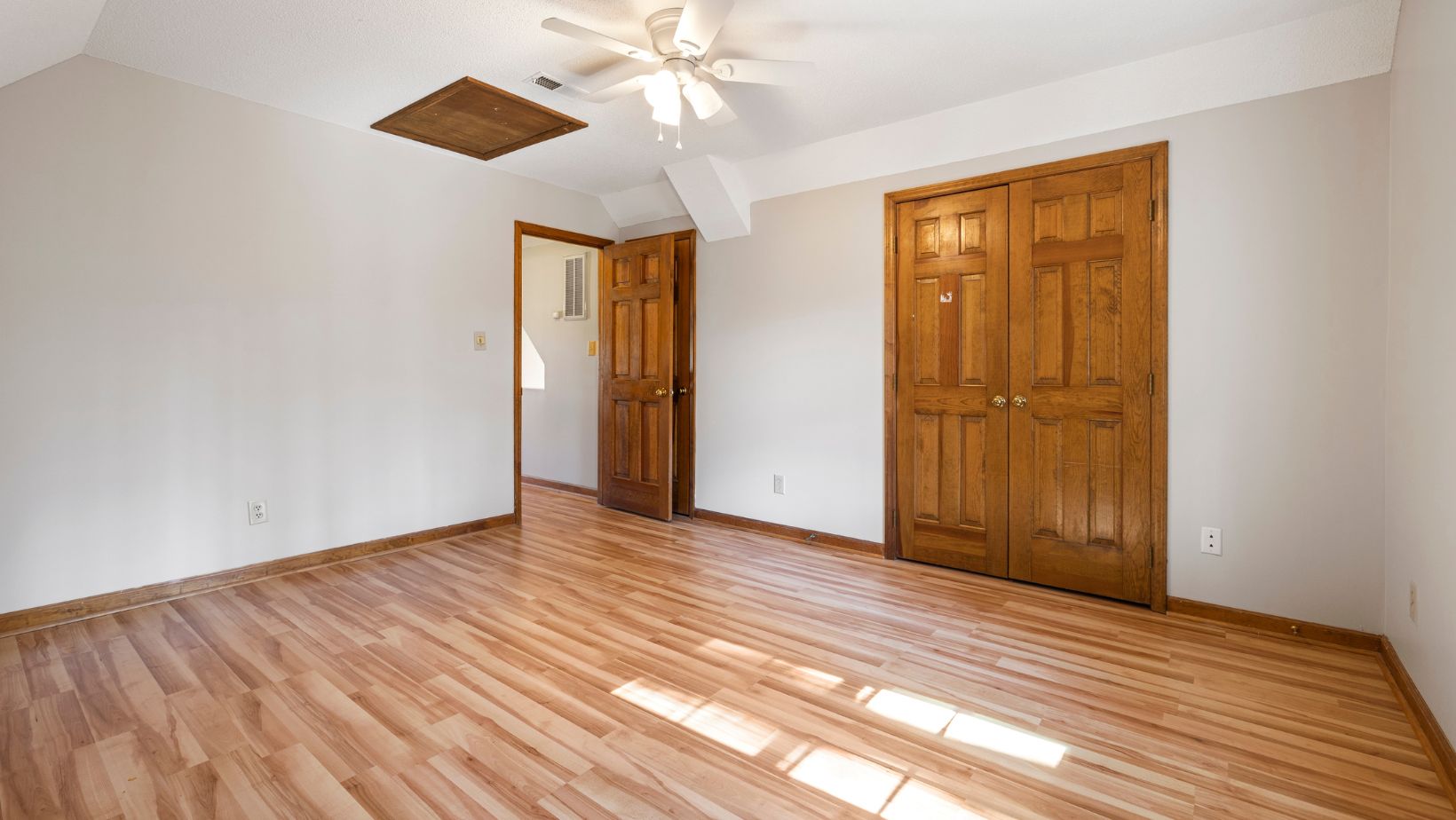
This makes it a strategic long-term investment in high-end or luxury apartment rentals where the aesthetic and feel of genuine wood can justify higher rents and attract discerning tenants. However, landlords should be cautious with solid hardwood in regions with high humidity or in units with less environmental control.
Bamboo: An Eco-Friendly and Tough Alternative
For environmentally conscious landlords or properties marketing themselves as sustainable, bamboo flooring offers a compelling alternative. It’s technically grass but shares many properties with hardwood, including durability and visually appealing grain.
Strand-woven bamboo, in particular, is exceptionally hard and resistant to dents and scratches, making it suitable for high-traffic rental units. It’s also more moisture-resistant than many hardwood species, offering landlords an attractive combination of resilience and style with a greener footprint.
Design Considerations that Appeal to Tenants
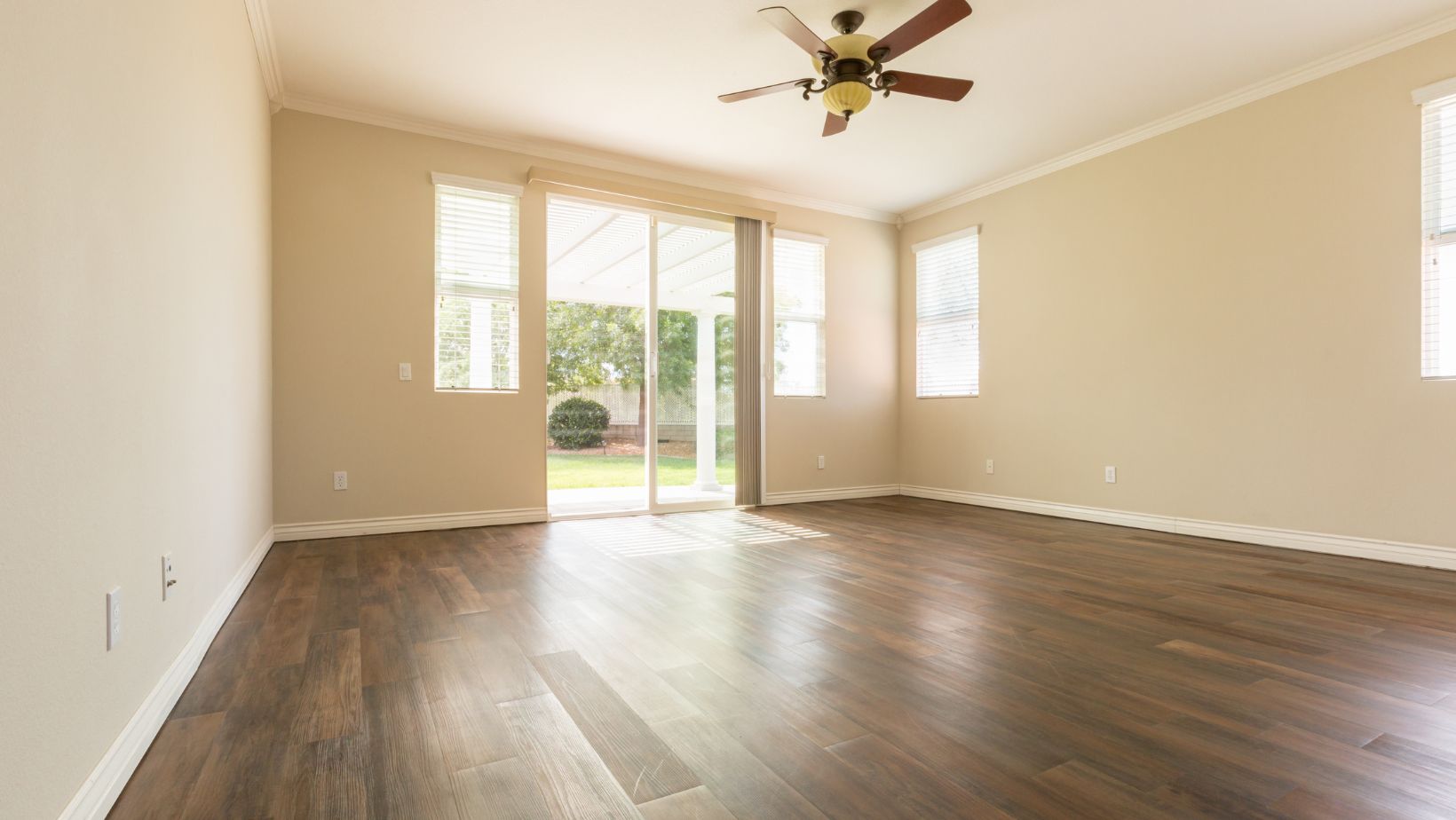
When selecting wood flooring for apartments, landlords must also think beyond function and consider style. A well-designed floor can increase perceived value and tenant satisfaction. Light wood tones can make smaller apartments feel more spacious and modern, while darker woods can create a sense of warmth and luxury.
The size and orientation of planks can also influence tenant impressions. Wider planks can visually expand a space, whereas narrower planks offer a more traditional, cozy feel. Flooring patterns such as herringbone or chevron add a premium touch without a significant increase in material cost.
Sound Management and Building Codes
One often overlooked factor when choosing the best wood floors for apartments is acoustic performance. In multi-unit buildings, soundproofing is essential for tenant comfort and legal compliance. Many building codes require sound-dampening underlays beneath wood floors to limit noise transfer between levels.
Landlords should confirm local requirements and work with flooring professionals to ensure compliance. Investing in the right underlayment material, such as cork or rubber, can make wood flooring a practical choice even in stricter environments.
Maintenance and Tenant Longevity
Durable wood floors for rentals should be easy to maintain and capable of withstanding tenant mishaps. A tough surface finish—such as aluminum oxide or UV-cured polyurethane—can provide strong resistance against scratching, staining, and moisture. These finishes are especially valuable in kitchens or living areas that see high usage.
To preserve your investment, it’s also wise to provide tenants with basic care instructions as part of their lease package. Clear guidelines on how to clean wood floors, what furniture pads to use, and what to avoid (like wet mops or abrasive cleaners) can significantly extend the life of the flooring.
Sustainability and Long-Term ROI
Many landlords are now prioritizing sustainability as part of their business model. Choosing FSC-certified wood or reclaimed wood options can appeal to eco-conscious renters while aligning with green building standards or certifications.
Beyond sustainability, wood flooring can offer a stronger return on investment than other flooring types. Its long life span, tenant appeal, and contribution to higher rental rates make it a valuable asset in any apartment portfolio. And because it rarely goes out of style, landlords are less likely to need frequent cosmetic upgrades between tenancies.
Final Thoughts
Choosing wood flooring for apartments is a strategic decision that impacts tenant satisfaction, long-term maintenance costs, and the overall value of a rental property. For landlords, the ideal choice combines durability, ease of upkeep, and visual appeal. Engineered hardwood is often the most versatile option, while solid hardwood provides unmatched longevity, and bamboo offers an eco-friendly edge. By focusing on the unique demands of apartment living and the expectations of modern tenants, landlords can make smart flooring choices that benefit their properties for years to come.