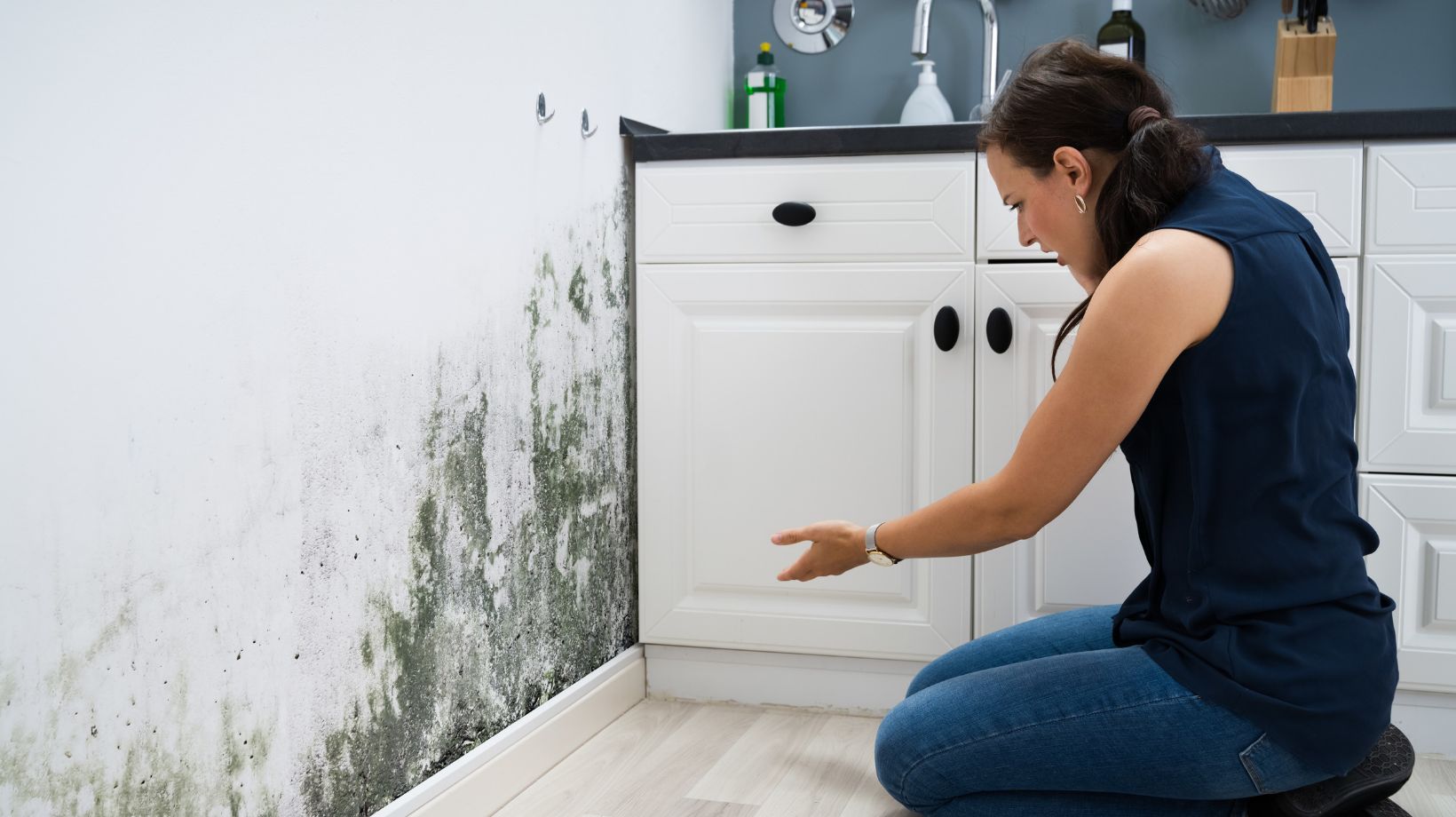
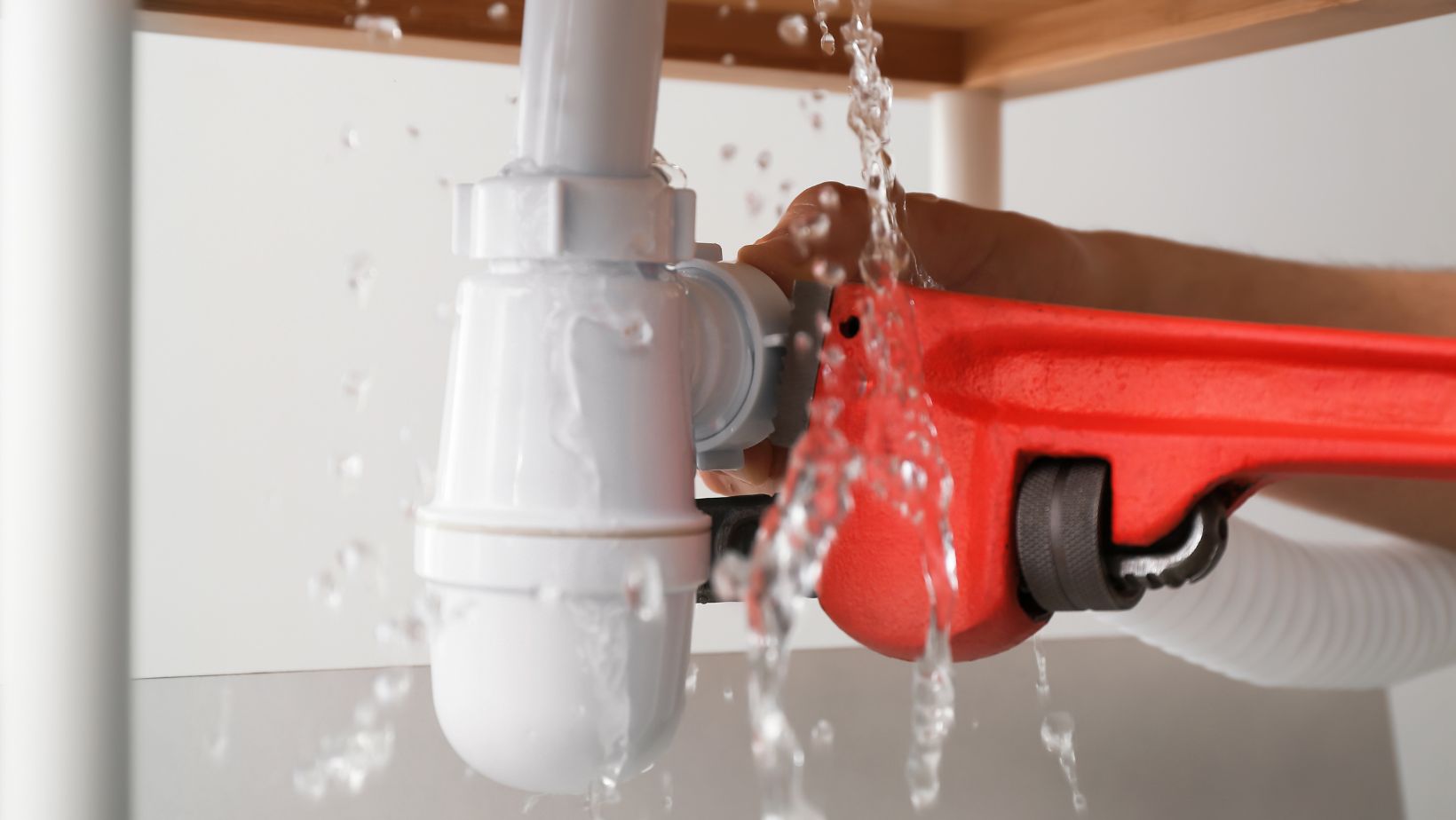
Home repairs are a fact of life. From leaky faucets to flickering lights, small problems often crop up when we least expect them. The real question for any homeowner or renter is: should you fix it yourself, or is it safer and smarter to call in a professional? Knowing the difference can save you time, money, and even potential injuries. This guide will help you evaluate your repairs so you can make the best decision for every situation.
Assess the Complexity of the Problem
The first step in deciding whether to tackle a repair yourself is evaluating how complex the task really is. Some issues are simple enough for a DIY solution, like tightening a loose cabinet hinge or replacing a cracked light switch cover. Others, however, require specialized knowledge or tools to be handled safely. For instance, a minor faucet leak may be within reach for a confident homeowner, but a burst pipe or faulty electrical wiring is a job for professionals.
When assessing complexity, ask yourself: How much experience do I have with this type of repair? Do I fully understand the process? Do I have the right tools? If you feel unsure, it may be safer to seek expert assistance. For repairs involving electronics, such as a malfunctioning smartphone, a professional service is often the best choice. Cell Mechanics can help repair your phone, providing expert solutions that avoid the risk of accidental damage from a DIY attempt.
Consider Your Skill Level and Tools
Even the simplest repair can go wrong if you lack the proper skills or tools. A task that seems easy on paper, like installing a ceiling fan, can quickly become dangerous without the right equipment or knowledge. Evaluate your comfort level honestly: Are you confident in reading repair manuals or online tutorials? Do you have access to the necessary tools, or would you need to invest significantly to complete the job?
Remember that your time and safety are also valuable. While DIY repairs can save money, attempting a task without experience can lead to costly mistakes, injuries, or more extensive damage. When in doubt, relying on a professional is often the smarter choice.
Evaluate Safety Risks
Safety should always be a top priority when deciding whether to DIY or hire an expert. Some repairs carry risks that make a DIY approach hazardous. Electrical work, gas appliances, roof repairs, or heavy structural work can lead to severe injury if done incorrectly.
Consider creating a simple safety checklist: Does the repair involve electricity, gas, or plumbing under pressure? Will it require working at heights or handling heavy materials? If any answer is yes, calling a professional is usually the safest route. Small safety oversights in DIY repairs can quickly escalate into serious accidents or damage.
Cost vs. Benefit Analysis
Another key factor in deciding whether to repair something yourself is weighing costs and benefits. DIY repairs can save money on labor, but there are hidden costs to consider: purchasing tools, spending time learning the procedure, and the potential for mistakes that require additional repairs.
For example, replacing a small bathroom fixture might be inexpensive as a DIY project, but incorrectly installing plumbing can cause water damage that costs hundreds more. Sometimes, paying for professional expertise upfront prevents more significant expenses later. A practical cost-benefit analysis ensures your efforts don’t end up more expensive than hiring a skilled technician.
When to Call an Expert
There are clear situations where calling a professional is the best choice. If the repair is complex, poses safety risks, or involves equipment under warranty, a trained expert should handle it. Examples include electrical rewiring, major plumbing repairs, HVAC servicing, or appliance problems that are beyond your skill set.
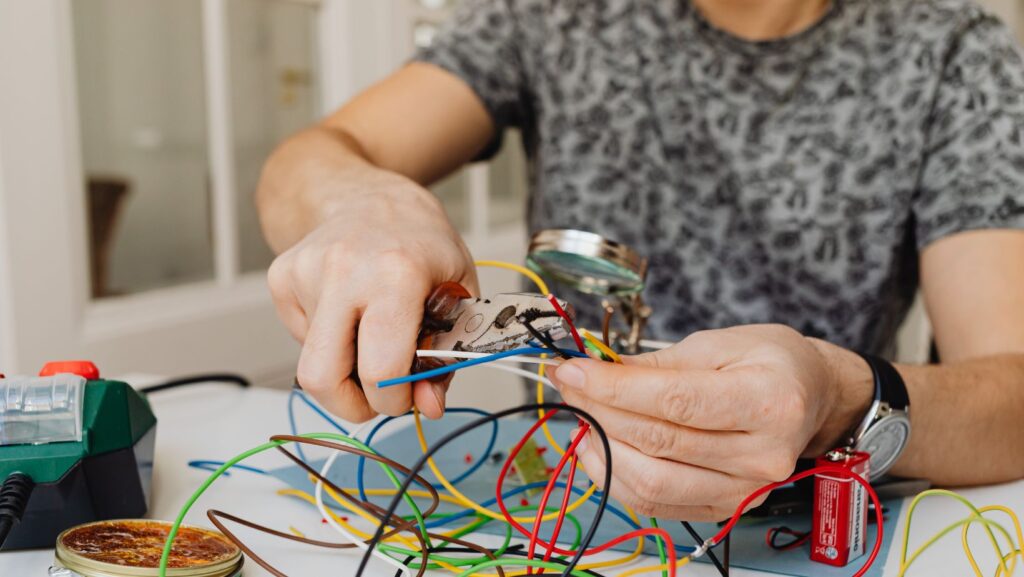
Even seemingly minor issues can require professional attention. For instance, a persistent washing machine squeaking might appear harmless, but it could indicate a worn bearing or pulley that needs proper tools and experience to fix. In such cases, a DIY attempt could worsen the problem or void your appliance warranty. Calling a professional ensures the repair is done safely, efficiently, and correctly.
Tips for DIY Success
Not all repairs require a professional. Some tasks are perfectly safe and even satisfying to do yourself, as long as you follow a few best practices:
- Research thoroughly: Read guides, watch tutorials, and understand the process fully before starting.
- Use quality tools and materials: Avoid cutting corners, as cheap tools can increase risk.
- Prioritize safety: Wear protective gear, turn off electricity or water when needed, and work carefully.
- Start small: Build your skills with minor repairs before attempting more complex tasks.
Even professionals often encourage DIY learning for smaller issues, and some offer consultations or guidance that can make your repair safer and more successful.
Conclusion
Deciding whether to tackle a repair yourself or call in an expert comes down to four key factors: the complexity of the problem, your skill level and tools, safety risks, and cost versus benefit. By carefully evaluating each repair against these criteria, you can make informed choices that protect both your home and your well-being. Remember, when in doubt, calling a professional is never a waste; it’s an investment in safety and peace of mind. With this approach, you’ll confidently know when to roll up your sleeves and when to pick up the phone.