
Table of Contents
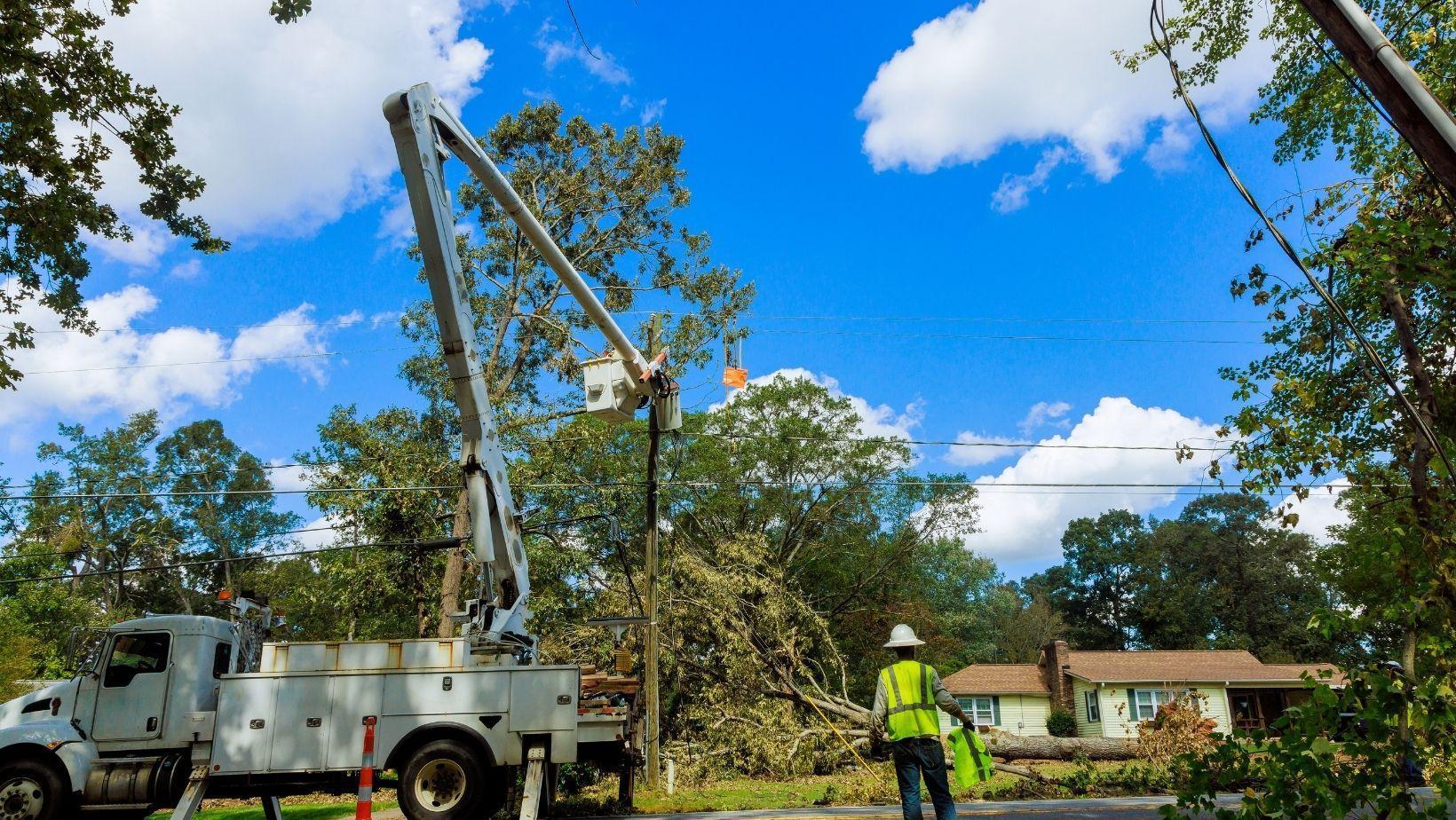
ToggleWhether you work in the power grid and transmission industry or elsewhere, you must be well aware of the risks involved in performing tasks near power lines. Even if you use a power line truck, you cannot ignore safety rules, as the dangers of getting a shock from contact with a live power line are real. It can prove fatal without proper precautions. In fact, many aerial lift workers have had near-death experiences due to a lack of safety awareness. The risks are higher when you have to perform maintenance tasks, trim trees, or handle similar jobs. You can prevent such situations.
So, when you use a boom lift to work on or around electrical wires, you should approach your task with full attention. One of the most common reasons for electrical accidents is failing to maintain a safe distance from electrical systems, particularly power lines. Other factors include driving the boom in the wrong direction, lack of knowledge of cable voltage, lack of operator training, and failure to follow hazard-related safety guidelines. If you want to ensure your and your workers’ safety, learn about OSHA regulations for boom lift operators. This can help prevent fatal falls and electrocution risks.
Maintaining distance from power lines when using a boom lift
If you read OSHA rules, you will find that aerial lift operators are advised to keep at least 10 feet of distance from power lines, wires, and transformers. In fact, it applies to all types of conductive objects. At the same time, it’s necessary to assume that power lines are active. If there is a risk that an aerial lift could come into contact with an active power line, you should remain alert and implement a few measures. For example, you can use insulated equipment or insulating barriers. Ensure that any uncovered parts of the boom lift don’t come into contact with the lines. All equipment must be properly secured. The work area can be supported with ground mats where necessary. Make use of insulating barricades. Those handling overhead line work must wear fall protection gear.
The lift should be inspected daily before use. It’s necessary to check all the controls. The lift operator should also rotate, raise, and lower the lift while analyzing its performance. The operator should also properly examine safety components. The vehicle driver must have a clear rear view when backing up the lift. It is helpful if the equipment has a backup alarm. If not, one worker should be given the responsibility of guiding the driver. Where safety is a concern, outriggers must be used. The operator must be present during the lift operation.
It is also important that lift operators participate in a formal safety program so they understand the types of hazards that can occur at heights. Such information also alerts them to how to use a lift safely when working close to power lines.
Additional information
Accidents can happen at any time, but your preparedness can minimize these risks. It is in your best interest to examine your job site for all power sources before beginning the job. Warning flags and barricades should be placed carefully. All workers should know the types of risks they face and how to maintain safety in their specific work zone.
At https://www.bladeplatforms.com/, you can find specialized boom lifts for handling work near power lines. While this equipment is designed with risk and safety considerations in mind, your team’s awareness and actions play an equally important role in saving lives.