
Sewer line problems are one of those issues most homeowners don’t think about, until something goes wrong. Since everything happens underground, early warning signs are easy to miss. Slow drains, gurgling sounds, or unexpected backups often point to a deeper issue in your main sewer line.
Understanding modern repair options (especially CIPP (Cured-In-Place Pipe) lining) can help you make smarter, less disruptive decisions when problems arise.
What Causes Sewer Line Problems?
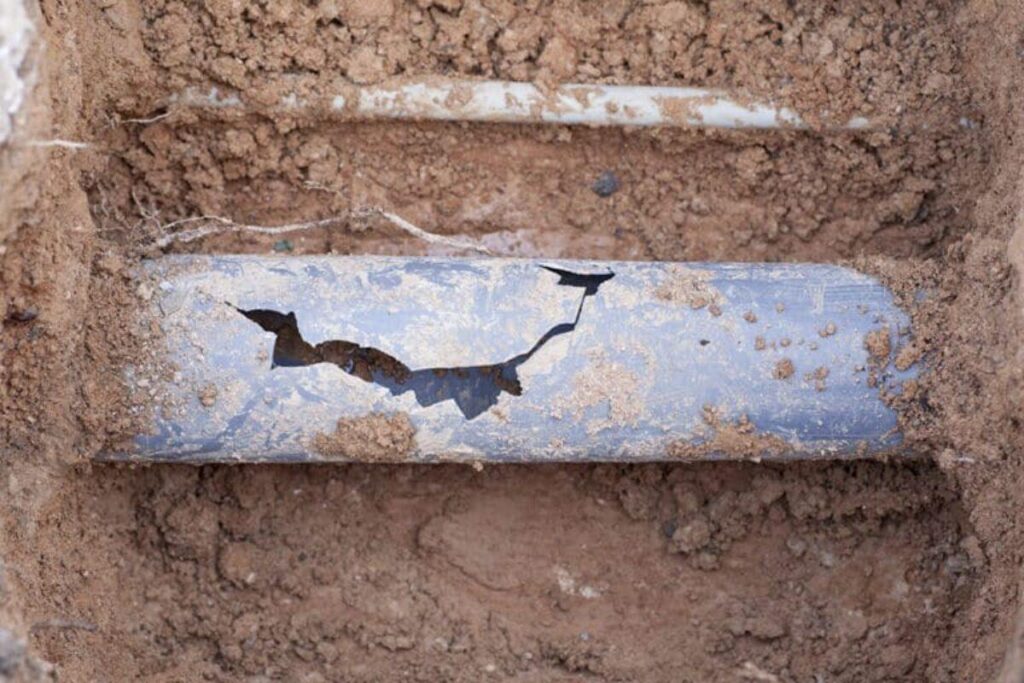
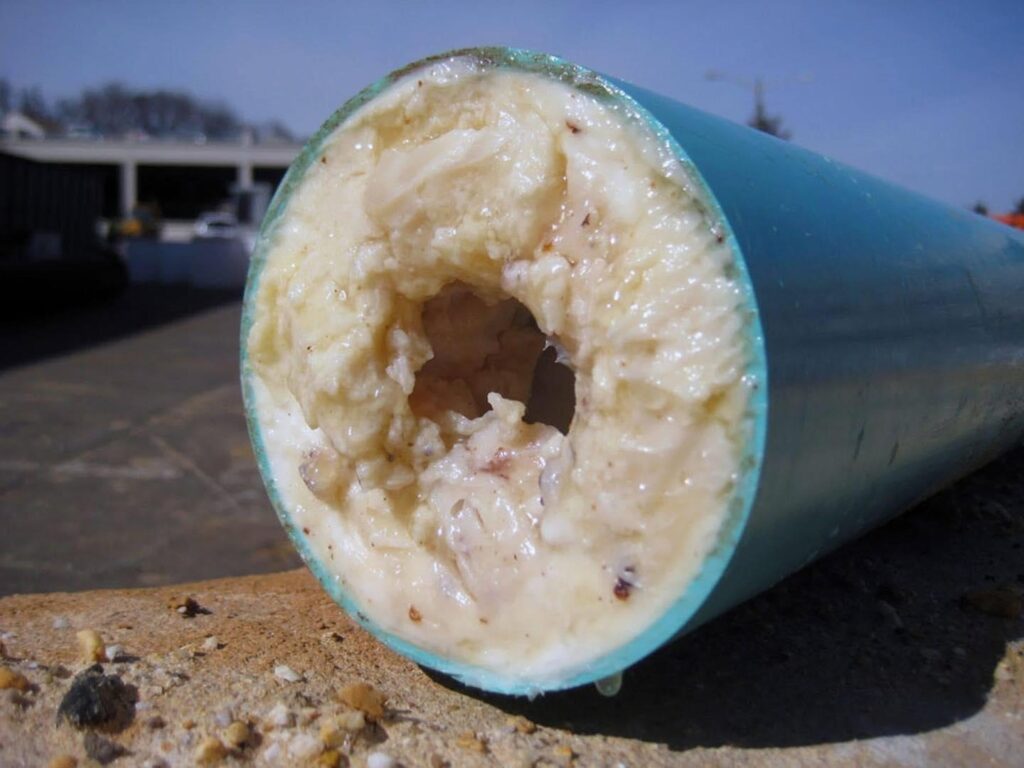
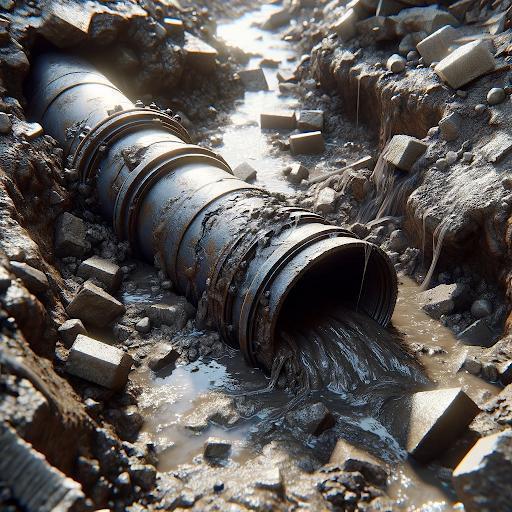
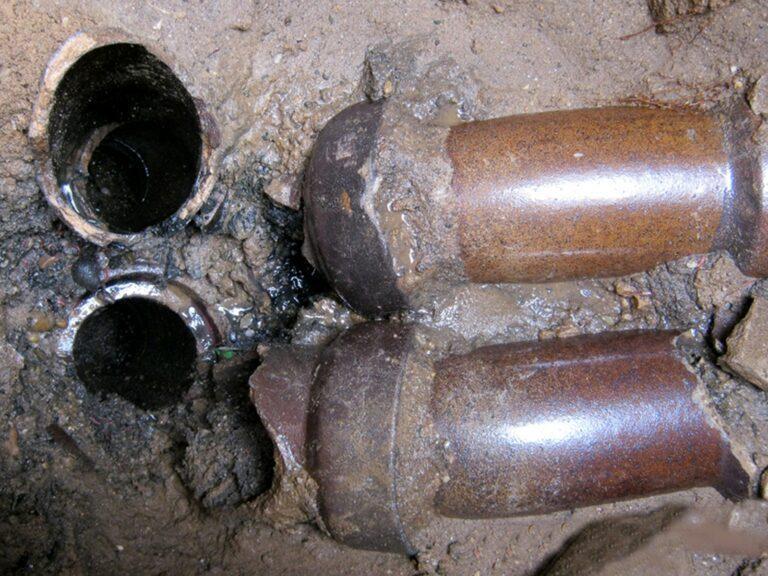
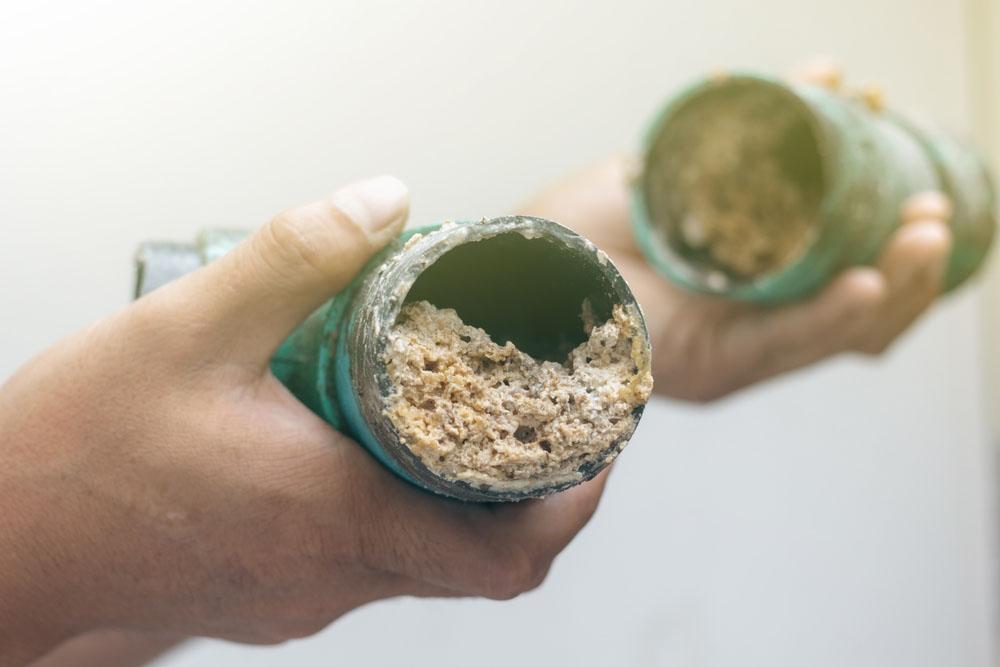
Sewer lines are built to last, but over time, several common issues can lead to failure:
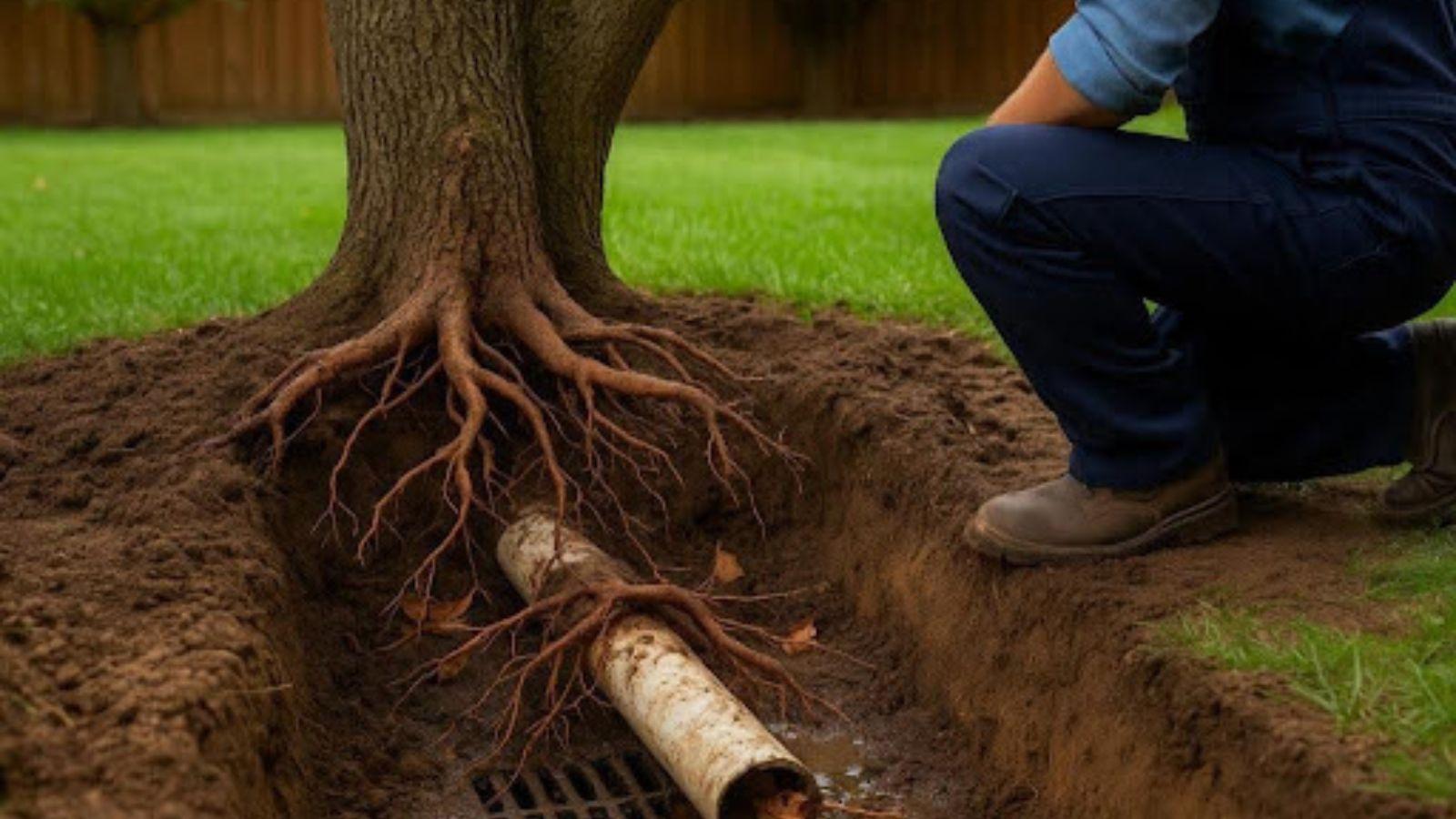
- Tree root intrusion: Roots naturally seek moisture and can enter even tiny cracks
- Aging pipes: Older homes often have clay or cast iron lines that corrode or break down
- Ground movement: Soil shifting can cause pipes to crack, sag, or separate
- Buildup over time: Grease, soap, and debris can restrict flow and create blockages
These problems usually develop slowly, which is why recurring clogs or sluggish drains are often early warning signs.
Modern Sewer Repair: No More Tearing Up Your Yard
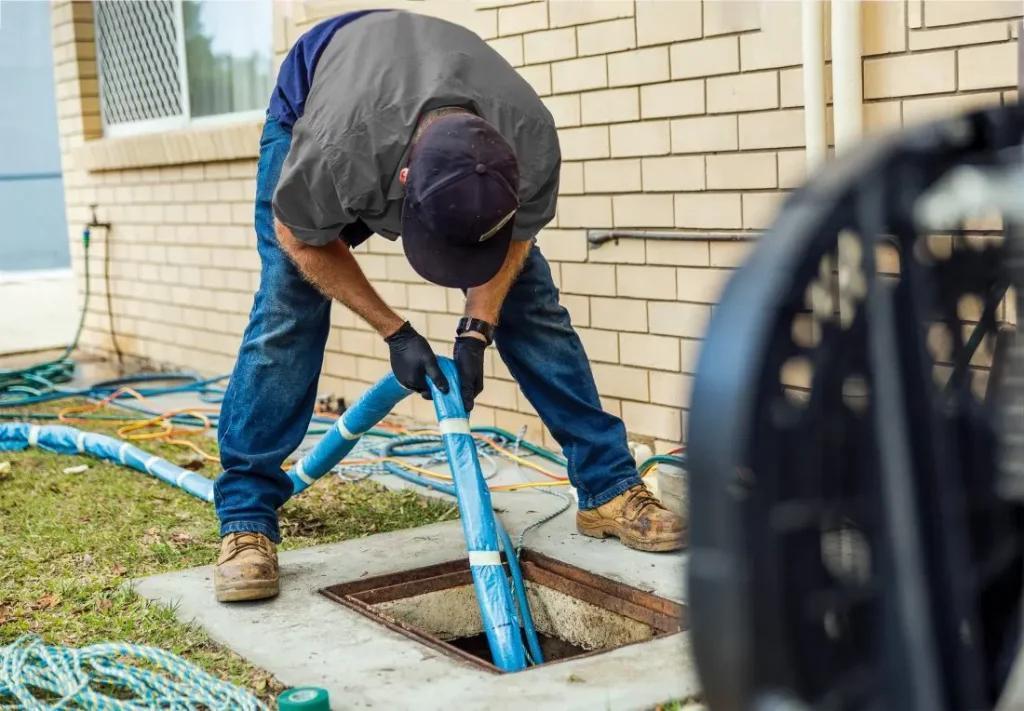
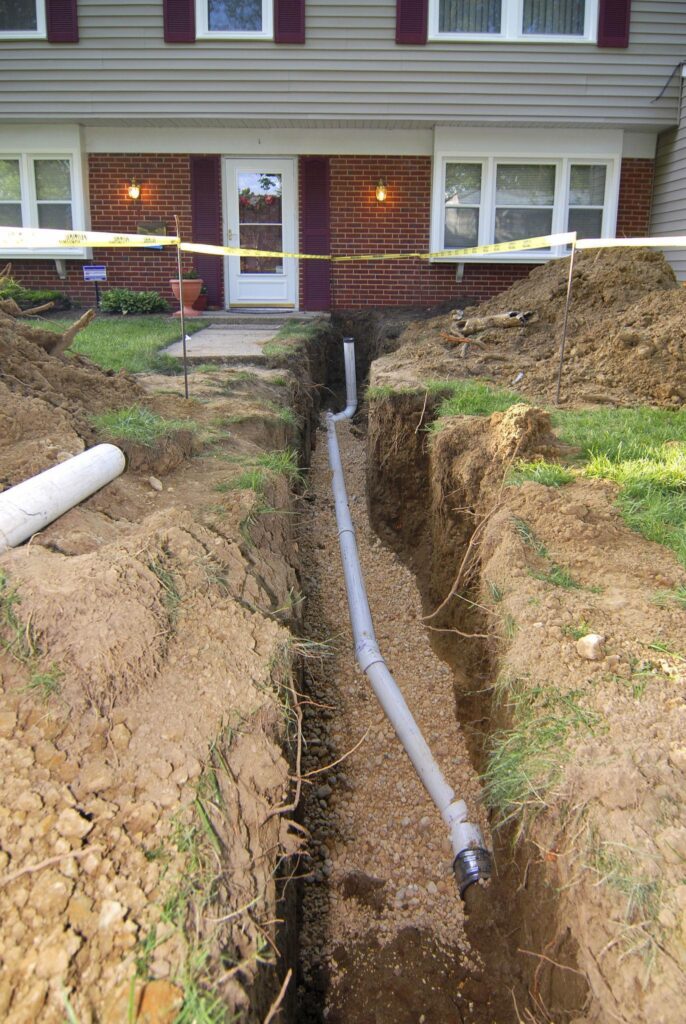
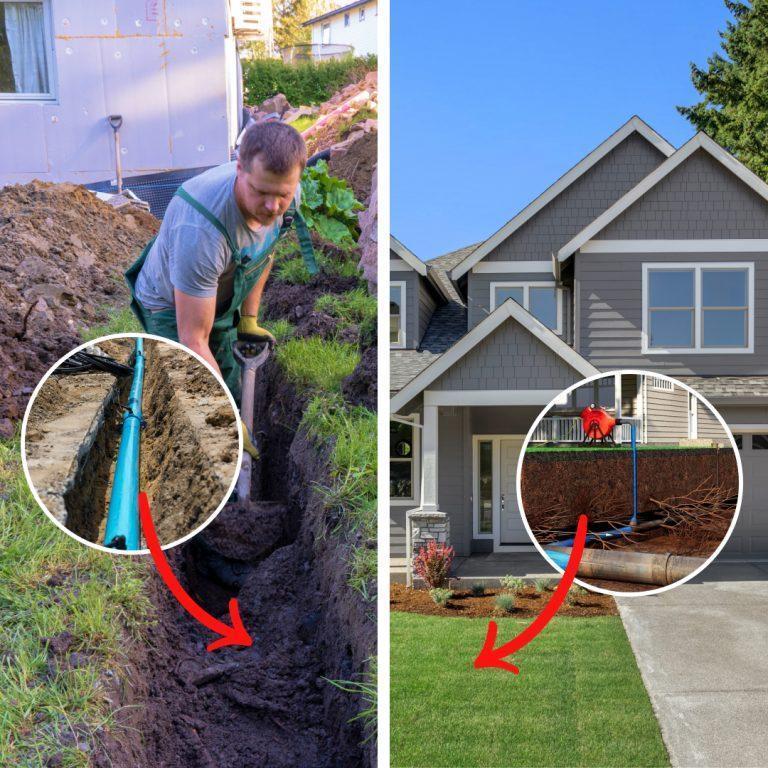
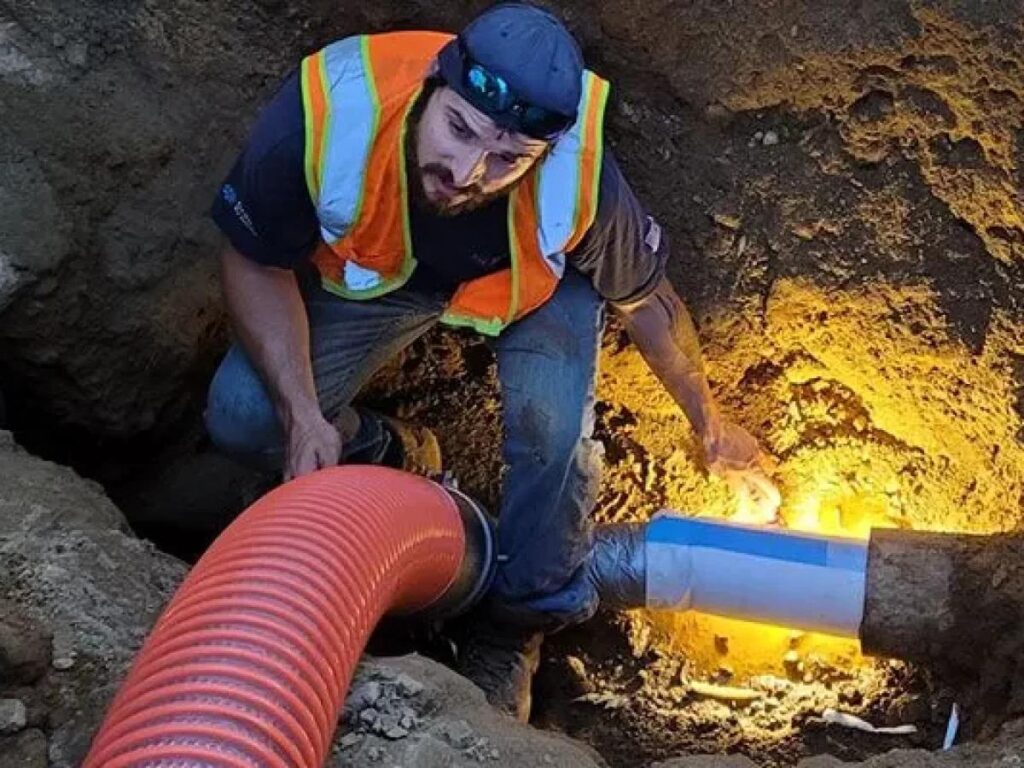
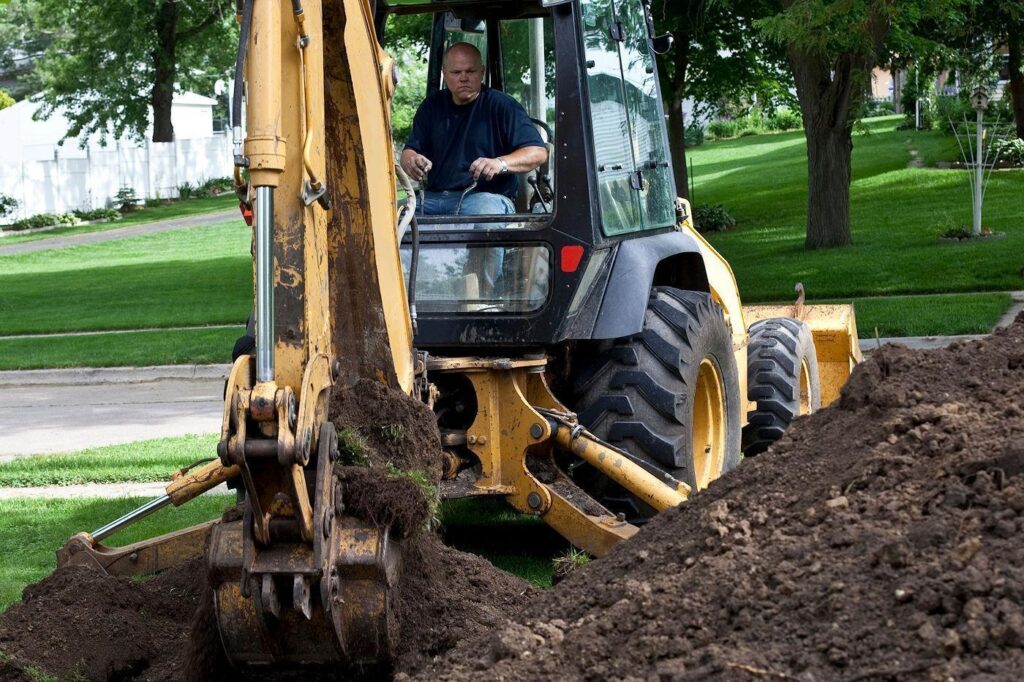
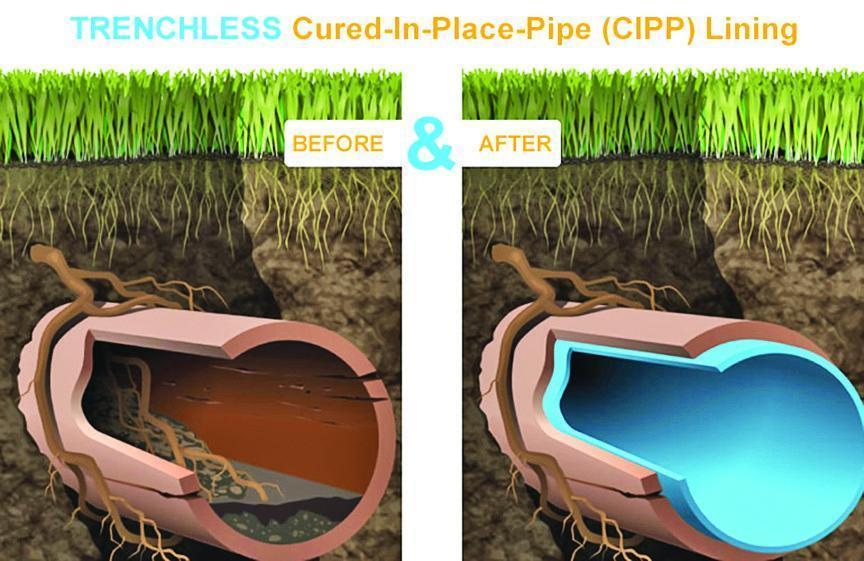
In the past, sewer repair meant digging trenches through your yard, driveway, or even inside your home to reach damaged pipes.
Today, that’s no longer the only option. Trenchless sewer repair allows professionals to fix underground pipes with minimal disruption. One of the most effective and widely used methods is CIPP lining.
What Is CIPP Lining?
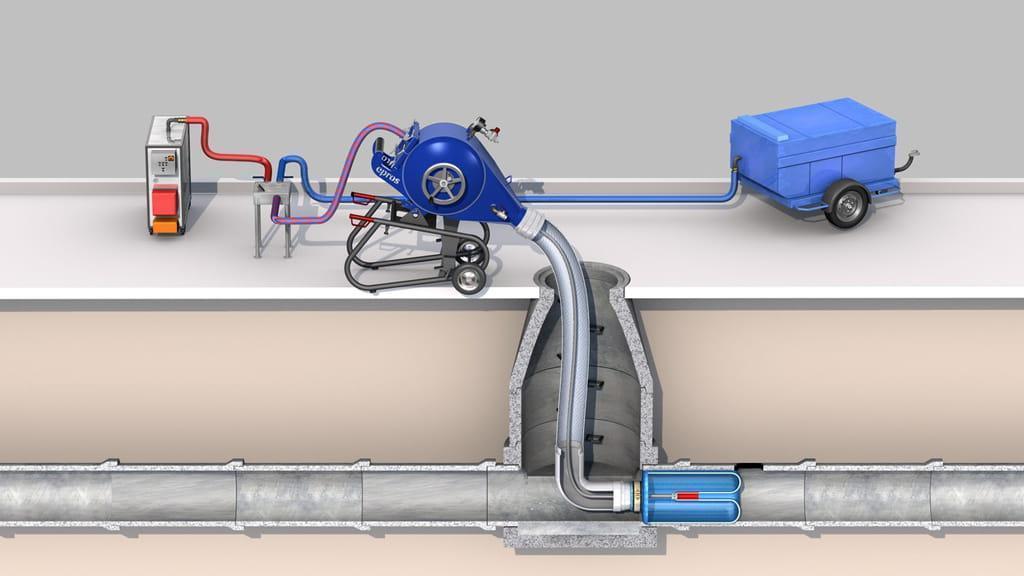
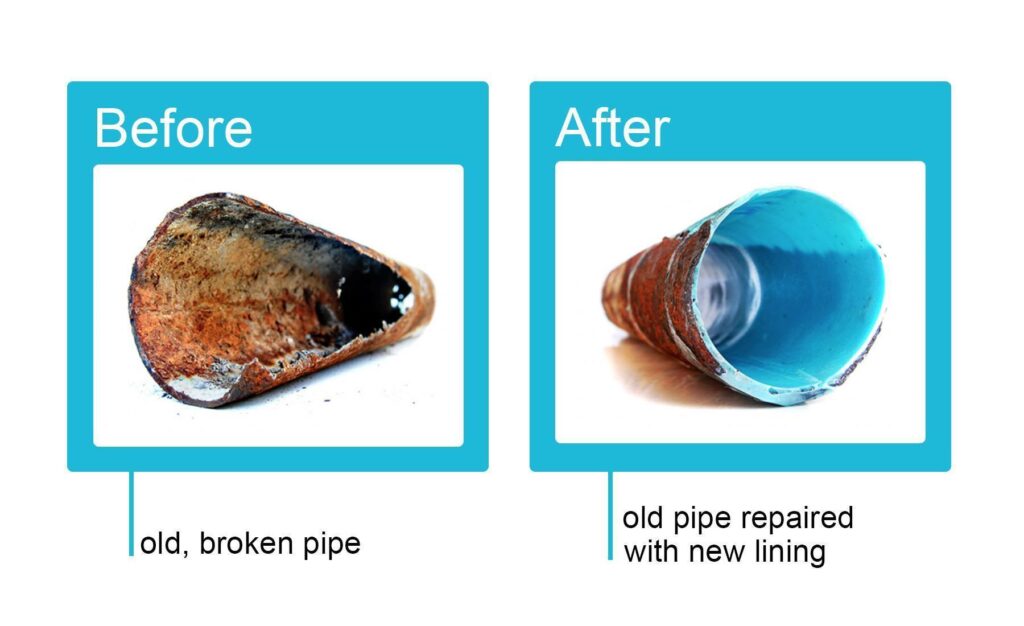
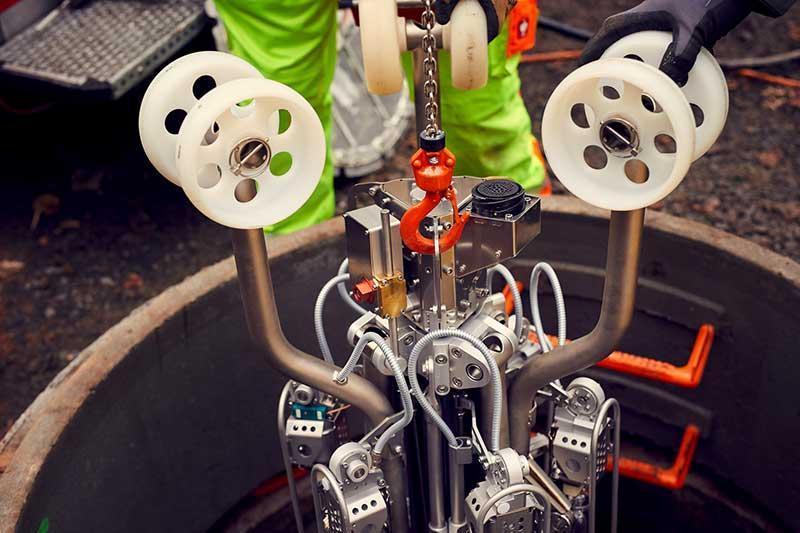
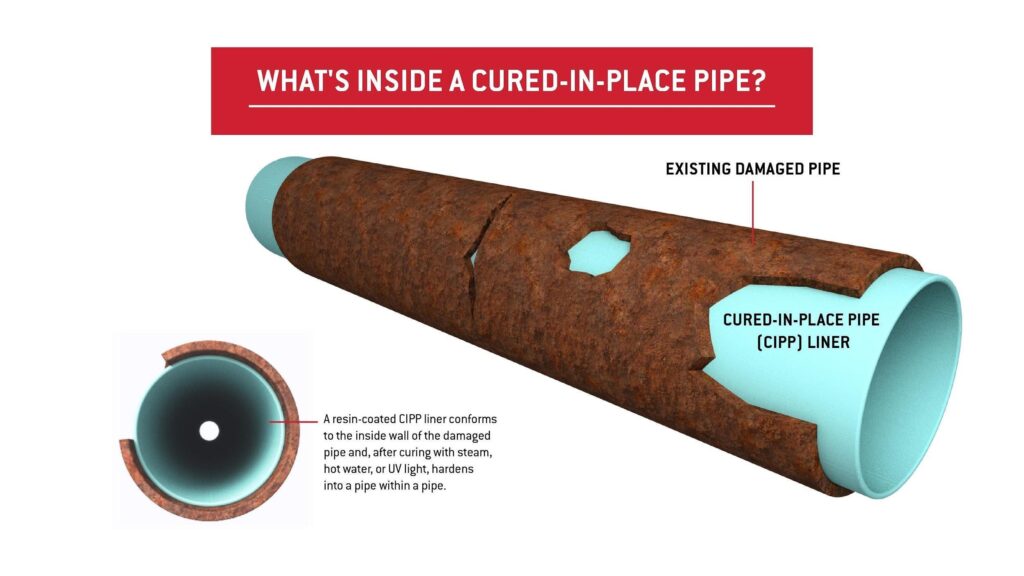
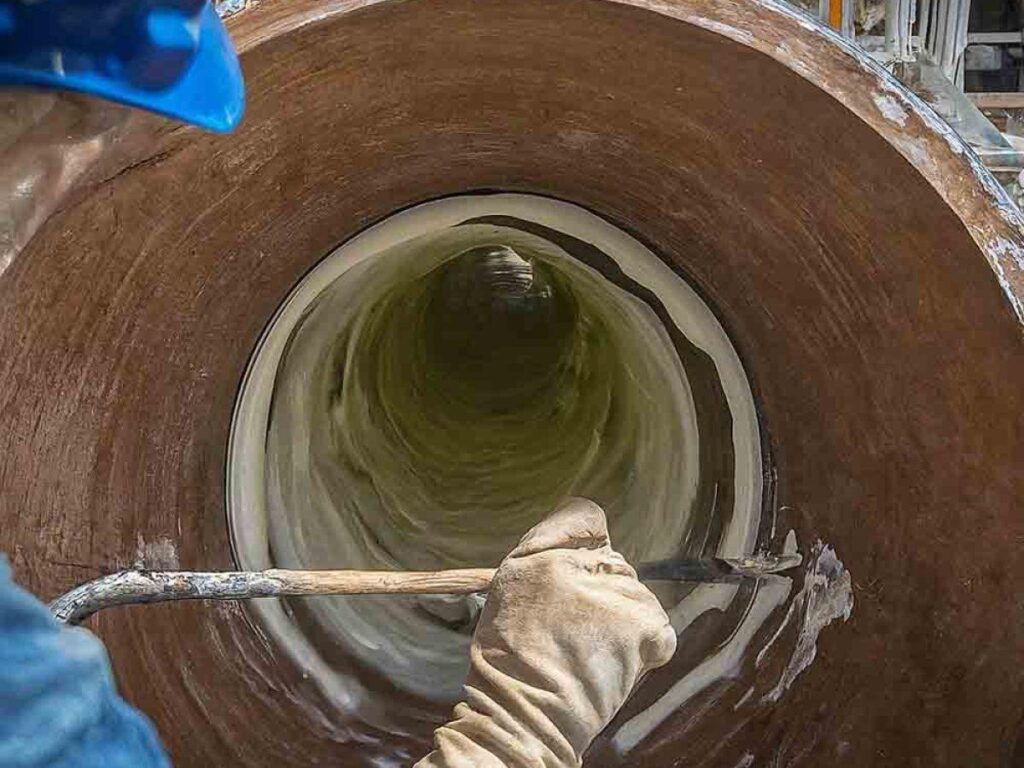
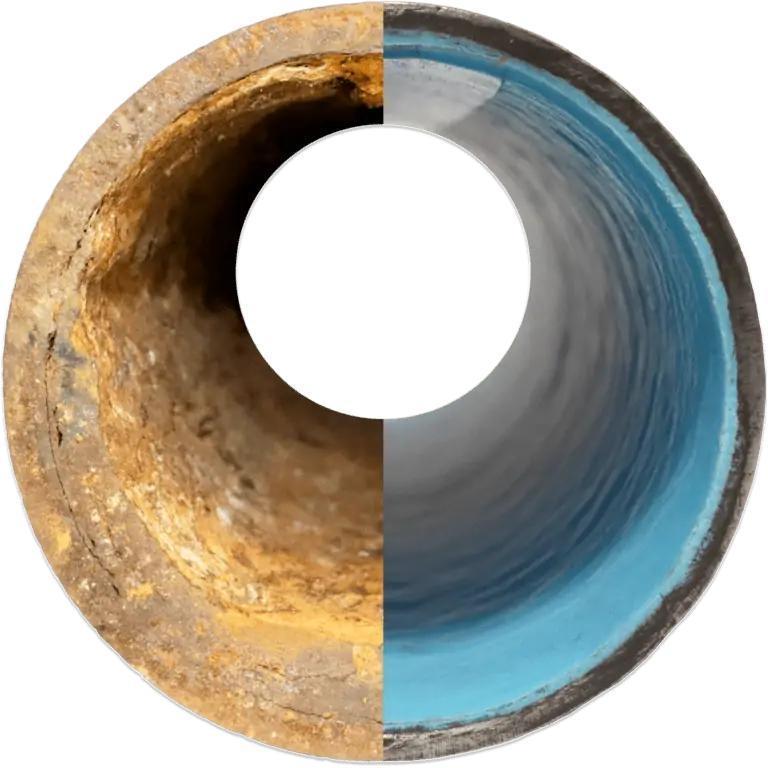
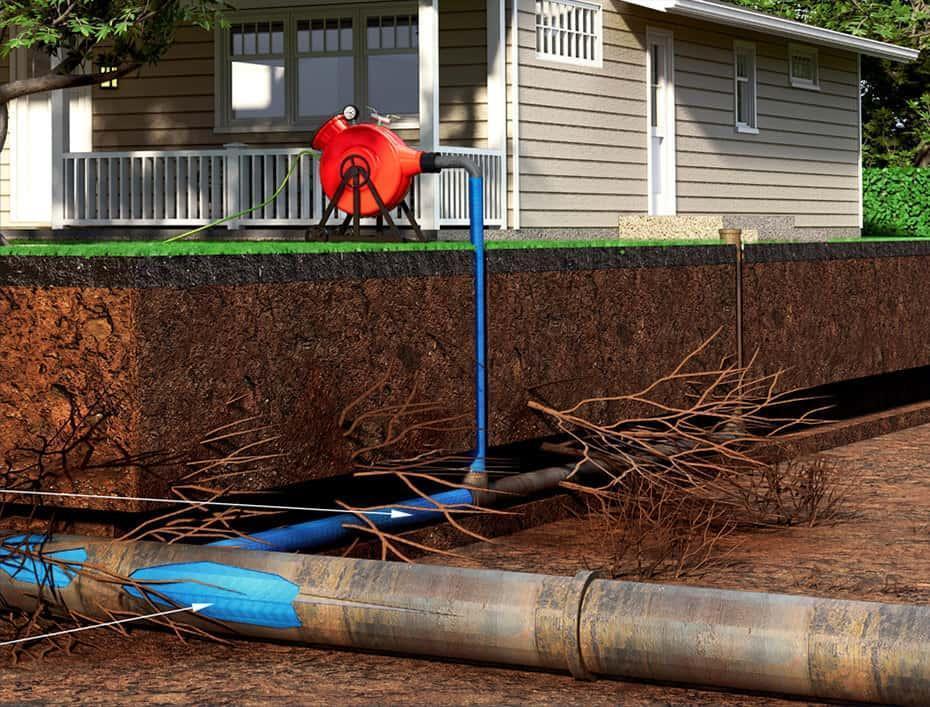
CIPP (Cured-In-Place Pipe) lining is a trenchless method that creates a new pipe inside your existing one. Here’s how it works:
- A flexible liner coated in resin is inserted into the damaged pipe
- The liner is inflated to fit tightly against the pipe walls
- It is then cured (hardened), forming a seamless, durable interior
Key Benefits:
- Minimal property damage: No major digging or destruction
- Long lifespan: Can last 30 to 50 years when installed properly
- Better flow: Smooth interior reduces buildup and clogs
- Fast turnaround: Many jobs are completed in a single day
When Is CIPP the Right Solution?
CIPP lining is ideal when pipes are still structurally intact but have:
- Cracks or small breaks
- Leaks
- Root intrusion
It’s especially valuable when you want to avoid excavation, like under driveways, patios, or landscaped yards. However, if a pipe has fully collapsed or is severely misaligned, traditional excavation may still be necessary. A professional inspection will determine the best option.
Why Camera Inspections Matter
Before any repair, plumbers typically perform a sewer camera inspection. This involves inserting a small camera into the pipe to:
- Pinpoint the exact issue
- Identify the cause of damage
- Confirm if trenchless repair is possible
This step ensures accuracy and prevents unnecessary work or costs.
Sewer Repair in Durham: What Homeowners Should Know
In areas like Durham and the greater Triangle, professionals that handled sewer repair in Durham often deal with older infrastructure, mature trees, and shifting soil. These conditions make trenchless solutions like CIPP especially appealing. Many homeowners are choosing this method because it:
- Protects landscaping
- Avoids tearing up driveways or patios
- Delivers long-term results with minimal disruption
Preventing Future Sewer Issues
While not all sewer problems are avoidable, you can reduce your risk by:
- Avoiding grease and oil down drains
- Only flushing toilet paper
- Scheduling inspections for older homes
- Being mindful of tree placement near sewer lines