
A roof is more than a coat of shingles. It protects your house from rain, wind, heat, and snow. It keeps you safe, warm, and dry. But even like everything else in your home, a roof doesn’t last forever.
Eventually, even the strongest roof will experience some wear and tear. But the good news is that if you learn what to look for, you can catch problems early, before they become major and costly.
Being aware of what to look for in signs of roof damage is particularly significant in the case of homeowners in cities such as Lincoln, NE, where changing seasons and storms can cause damage to roofs.
This article will guide you through the most common indicators that your roof will require repair work to be done on it.
1. Shingles That Are Cracked, Curled, or Missing
One of the most apparent indicators of whether your roof needs repair is physical damage to the shingles. Shingles are the overlapping slabs on your roof that create a wind and weather-resistant barrier. In working order, they’re flat and firmly in place. However, with age, they’ll begin to curl, crack, and even completely come loose and fall away.
Such damage may occur due to several reasons. One of them is age. Asphalt shingles, prevalent in most homes, become brittle and weakened with age. The weather is also a reason. Hail, high winds, and intense rains all damage or loosen the shingles. Even the fierce sunlight of summer has the same effect over time.
These problems may appear trivial initially but can result in significant problems. Shingles that are not sealed will allow water to seep behind them. That water can soak into the insulation and wood below it. The longer you allow it to go uncorrected, the more damage is done.
Also, the ideal step is to hire a professional roofing contractor if you notice signs like these. Quick repair now will save you from replacing the entire roof later. If you do not know where to begin, look up at the top Metal roofing lincoln ne, and get local specialists to assist you.
2. Water Stains Inside the Home
Roof issues rarely begin with a missing piece of a broken shingle. Often, they start silently with water seeping from minute spaces. And the first spot you’ll notice that is likely not outside—it’s probably on your ceiling.
Scan the rooms in your house, particularly upstairs or the attic. Do you see any brown spots, wet marks, or peeling paint on the ceiling or the upper walls? These watermarks may be round, oval, or irregular in shape. They may resemble coffee stains.
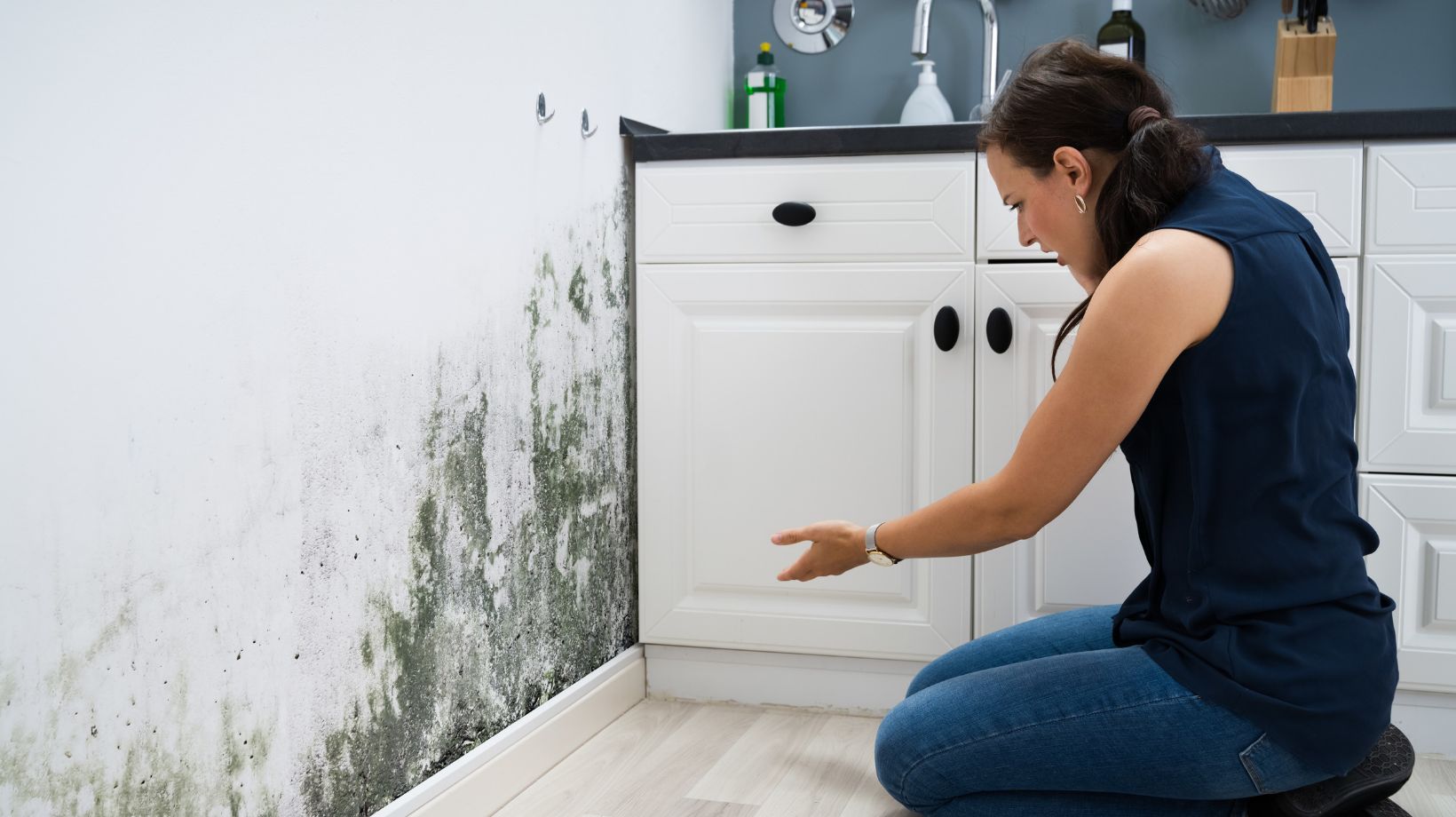
Water stains imply that moisture is penetrating your roof’s exterior layers. That moisture can seep onto the ceiling, damaging drywall, wood beams, and insulation. In extreme instances, it can even cause mold growth, which can be harmful to your health and very expensive to repair.
3. Granules in the Gutters and Around Downspouts
Shingles contain minute granules that shield them from the sun and strengthen them. These granules consist of coarse sand-like and pebble-like particles. Shingles tightly retain most of these granules in their initial state. However, with age, they start losing them.
Where do the granules go, you ask?
Frequently, they wash away and wind up in your gutters. This is a good reason to inspect your gutters occasionally, particularly following a powerful storm. If you spot a concentration of sand-like granules in your gutters or where your downspouts drain, your shingles will be worn out.
At first glance, you may not think much of it. However, losing granules reduces the level of protection of the shingles from heat, sunlight, and rain. Without granules, your roof becomes susceptible to cracking, leakage, and degradation in extreme weather.
4. Sagging Spots or Uneven Roof Lines
Your roof should be evenly smooth from side to side. Edges should be straight, and the surface uniform. Should you notice that part of your roof is drooping, bowing, or sagging, you should pay attention to it.

Usually, sagging signals that something beneath your shingles is not functioning correctly. It may be wood decking, which is the initial layer of the roof. Water may have penetrated and ruined the wood with rot. Heavy snow or standing water may also have caused some structural damage over time.
Such a problem is severe. Your sagging roof may leak, but it could also cave in if left unchecked. That is why catching the signs early and having a professional roofer inspect them fully is crucial.
Stand outside and look at your roofline from the ground. Look at the surrounding sides of your home and compare them to your roofline. Does one side sag down somewhat? Is there a wave or curve where the roof was once straight? These visual indicators tell you that your roof is no longer maintaining its shape.
5. Dark Streaks, Mold, or Moss on the Roof
With time, your roof can look grimy, particularly where you get the least sunlight. You likely notice dark stains, green spots, and fuzzy-appearing moss on the surface of your roof. Though it doesn’t appear to be a serious issue, all of these things are indicators that moisture is remaining on your roof and causing damage.

Algae typically form dark stains. It does not consume your roof but retains moisture that can create issues. Moss is more aggressive than algae. Moss grows in clumps and propagates rapidly. Moss can dislodge shingles, retain water behind them, and allow the material below to rot.
Mold is even worse because it can spread to the attic space and behind walls, affecting indoor air and health. That is why maintaining your roof clean and dry is crucial—not only to your roof’s health but to your entire home’s health.
When you notice moss and mold appearing on your roof, could you not attempt to remove them yourself? Power washing and scrubbing may further damage the shingles.
Final Thoughts
Your roof works tirelessly day in and day out. It endures hot temperatures, pounding rains, gusty breezes, and wet snows, while safeguarding your household and keeping you dry. It can’t do that indefinitely without some assistance, however.
The signs of roof damage begin so subtly. A broken shingle here and there. There is a ceiling stain here and there. There are a few granules in the gutter here and there. These small signs are your roof saying to you in a barely heard voice, “I need repair.” Sooner is simpler and less expensive.