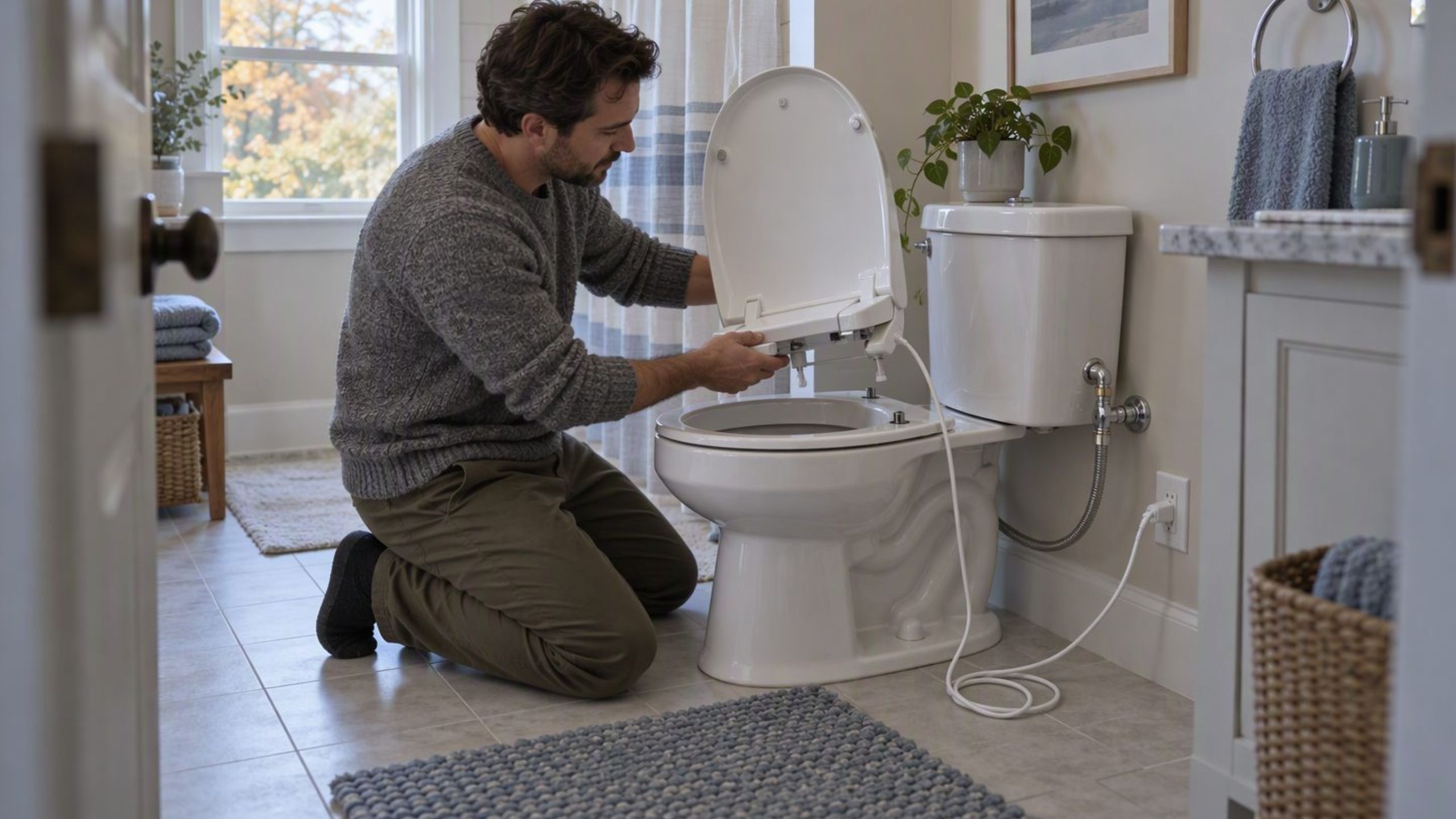
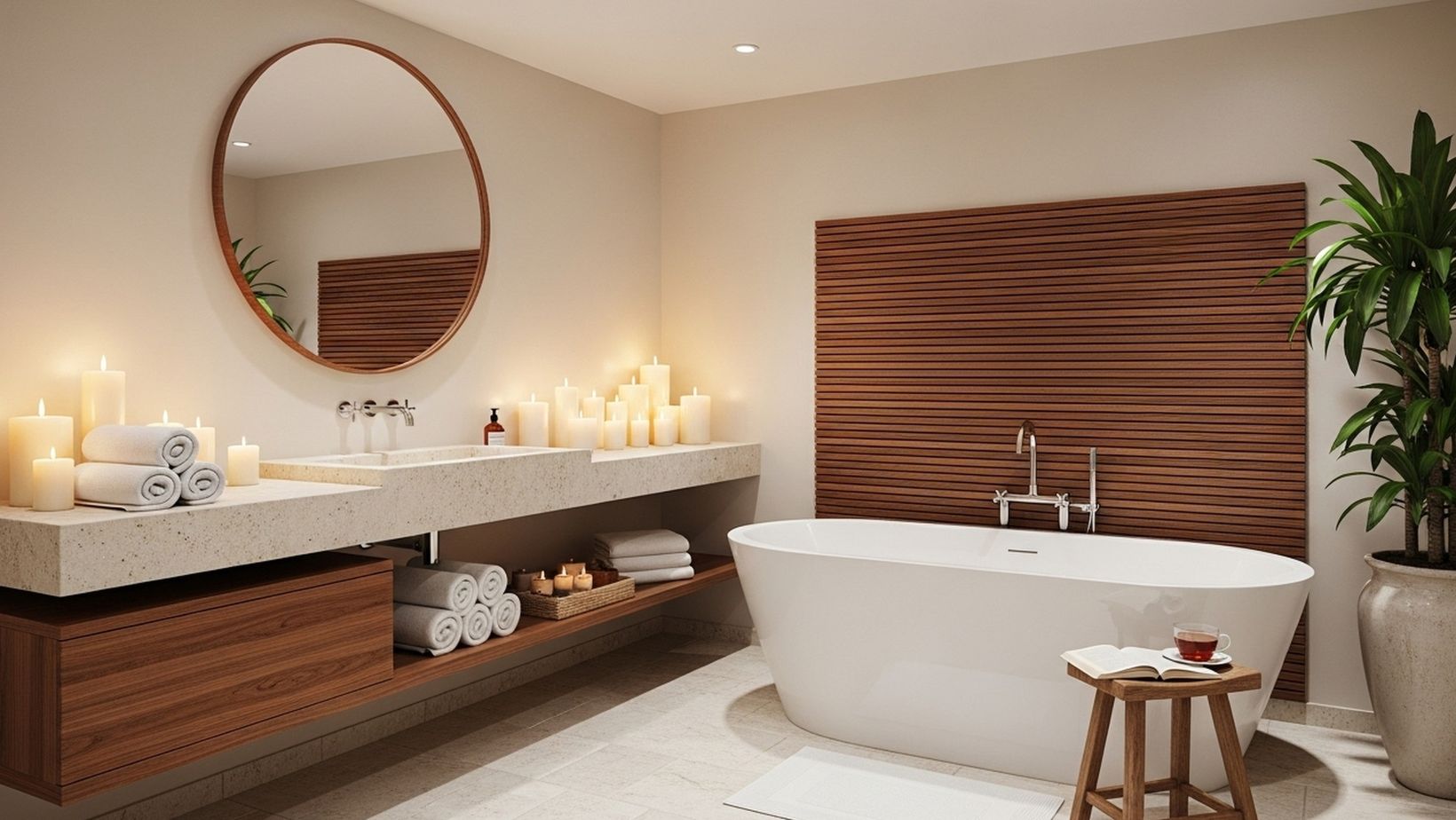
Transforming your bathroom into a sleek and functional space is an exciting endeavour. However, the process of installation can often feel daunting if you’re not prepared. Whether you’re looking to make minor updates or undertaking a full renovation, having the right guidance is crucial for achieving a stylish and practical result. This article will explore essential installation tips that can help you step into a refined bathroom space, ensuring the project runs smoothly.
Understanding Your Space
Before diving into the nitty-gritty of installation, it’s essential to understand the space you’re working with. The layout of your bathroom will dictate various aspects of your design choices, from fixture placement to colour scheme and materials. Measure your area accurately; note the dimensions of each wall, the location of plumbing, and existing electrical points. This information is vital for planning where new fixtures or features can go.
Additionally, consider how the available space impacts function. For example, if you have a small bathroom, choosing space-saving fixtures like wall-mounted sinks can significantly enhance usability. On the other hand, if you’re blessed with a larger area, you might want to incorporate elements like a freestanding bathtub or a walk-in shower for added luxury.
Choosing Fixtures Wisely
Your choice of fixtures can make or break the overall look of your bathroom. When selecting items such as taps, bathtubs, or shower doors, think about style, material, and functionality. For example, opting for frameless shower doors can create a more open and airy feel, making the space appear larger while adding a touch of modern elegance.
Installing frameless shower doors isn’t as complicated as it may seem. Many people find the overall aesthetic and practical benefits worth the initial learning curve. If you’re unsure about the process, there are ample tips for hassle-free custom bathroom upgrades that can guide you through. Knowing what to expect can save you time and stress, allowing for a successful installation.
Planning Your Layout
Once you’ve understood your measurements, and chosen your fixtures, the next step is planning the layout. This phase is crucial and should be approached with careful consideration. Sketch various configurations and evaluate how they align with your needs and aesthetics.
Think about the flow of movement in the bathroom. Ideally, you want a layout that allows for easy access to the toilet, sink, and shower without obstacles. Create zones: keep wet and dry areas separate to minimise water spillage and improve safety.
Water and Electrical Considerations
Any renovation that involves plumbing or electrical work requires special attention. If you’re not an expert, it’s wise to consult a professional. Incorrect installations can lead to leaks, electrical hazards or even structural damage.

• Plumbing: Ensure all existing plumbing is up to code. If you’re moving fixtures, hire a plumber who can adapt the current plumbing system to your new layout.
• Electrical: Water and electricity don’t mix well. Ensure that any electrical installations, such as lighting or heated towel rails, are installed safely and in compliance with local regulations.
Timing is equally vital. If your bathroom is fully functional during your renovation, plan your installations to avoid disruption. For instance, aim to install your lighting before significant fixtures, ensuring everything is coordinated without causing delays.
Focus on Finishing Touches
Once the primary installations are complete, it’s time to turn your attention to the finishing touches. Tiles, paint, and accessories can elevate the overall aesthetic and take your bathroom from ordinary to extraordinary.
Selecting Tiles
Tiles play a pivotal role in the visual appeal and functionality of a bathroom. When choosing tiles, consider:
• Material: Certain materials like porcelain or ceramic are durable and resistant to moisture.
• Colour and pattern: Lighter colours can make a small bathroom feel more spacious, while darker hues can create intimacy and warmth.
• Texture: Mixing textures can add depth to your design. Combine glossy surfaces with matte finishes to create visual interest.
Accessorising
Your choice of accessories can also accentuate your bathroom’s personality. Simple tweaks, like stylish soap dispensers, plush towels, or unique shelving, can significantly affect the overall vibe. Think about incorporating plants or art as well to give the space a welcoming touch.
Additionally, consider storage solutions. Stylishly concealed storage can preserve a clean look while providing functionality. Floating shelves, baskets, or built-in cabinets keep surfaces clutter-free and enhance the sleek aesthetic.
Maintenance Matters
After all the hard work, it’s important to think about long-term upkeep. Maintain cleanliness by establishing a regular cleaning routine. Opt for materials that are easy to clean and resistant to mould and mildew.
Moreover, keep an eye on seals and grouts as they can deteriorate over time. Regular maintenance can prolong the lifespan of your new installations and keep your bathroom looking sharp.
Conclusion
Embarking on a bathroom renovation can be exhilarating, but thoughtful planning and execution are essential for achieving a sleek and functional space. By understanding your space, choosing fixtures wisely, planning the layout meticulously, and focusing on tasteful finishing touches, you’ll create a bathroom that is not only stylish but also practical.
With these tips in mind, you’re better equipped to dive into your installation project. Remember, the key to a successful renovation is patience and preparation—because a well-planned bathroom will stand the test of time, both in style and function. So, roll up your sleeves and step confidently into your dream bathroom space.