
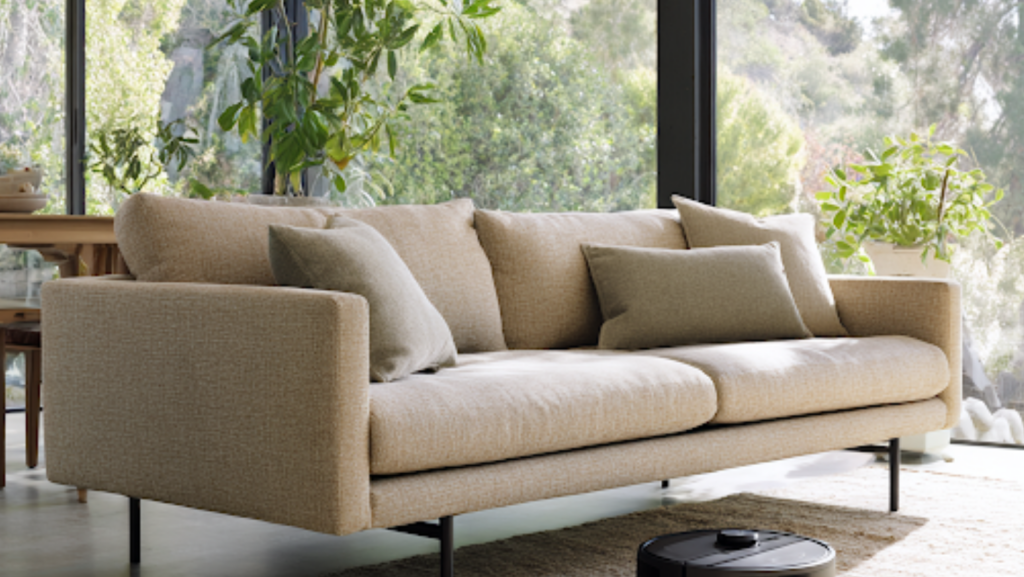
The relationship between ergonomic Stressless sofa designs and maintenance-friendly Stressless sofa materials might not seem immediately connected to home wellness, yet furniture decisions fundamentally determine how easily spaces remain clean, healthy, and pristine. Every piece occupying floor space either facilitates or obstructs the cleaning routines maintaining indoor air quality, reduces allergen accumulation, and creates the sanctuary environments that wellness-focused living demands.
Think of furniture as either collaborating with or sabotaging your cleaning efforts. Low-profile pieces with exposed legs allow vacuum access beneath seating areas where dust, pet dander, and allergens accumulate invisibly. Upholstery fabrics either resist staining and release soil easily or become permanent repositories for spills, odors, and particulates that compromise indoor air quality. The strategic furniture selection process should evaluate cleanability alongside aesthetics, recognizing that beautiful spaces remaining perpetually pristine require furniture designed to enable rather than resist maintenance.
Contents
Table of Contents
ToggleThe Hidden Dust Collectors Nobody Discusses
Traditional upholstered furniture with skirted bases creates dark cavities beneath seating where dust bunnies evolve into dust civilizations completely invisible during normal living but revealed dramatically when furniture gets moved. These hidden zones accumulate allergens, pet hair, and particulates that recirculate into living spaces with every footstep vibration or air current despite diligent surface cleaning.
Elevated furniture designs with visible floor clearance transform cleaning accessibility entirely. Robot vacuums glide effortlessly beneath sofas and chairs during automated routines. Manual vacuum cleaning reaches these zones without furniture wrestling. The psychological relief of knowing these spaces remain clean rather than harboring mysterious accumulations cannot be overstated for households prioritizing pristine environments.
The elevation also improves air circulation patterns throughout rooms. Furniture sitting directly on floors creates stagnant air pockets where moisture, odors, and contaminants concentrate. Raised profiles enable airflow that naturally refreshes these spaces, reducing the microbial growth and mustiness that skirted furniture inevitably develops over years.
Material Choices That Actually Matter
Leather and high-performance synthetic upholstery fabrics fundamentally differ from traditional textiles in maintenance requirements and longevity within clean-living contexts. Natural leather develops patina over time but resists staining, releases spills easily, and doesn’t trap allergens within fiber structures like woven fabrics inherently do.
Modern performance fabrics engineered specifically for cleanability offer remarkable stain resistance and soil release properties while maintaining comfort and aesthetic appeal. These materials enable quick cleanup of inevitable spills without creating permanent damage or requiring intensive intervention. The difference between wiping away a coffee spill versus watching it permanently stain upholstery defines furniture’s practical contribution to maintaining pristine spaces.
The textile layering approach many designers recommend introduces complexity that cleaning-conscious households should consider carefully. Multiple fabric layers, decorative pillows, and throws create visual richness but also multiply cleaning obligations and allergen accumulation surfaces. Balancing aesthetic goals with maintenance realities requires honest assessment of actual cleaning habits rather than aspirational routines that rarely materialize.
The Air Quality Connection
Furniture doesn’t just occupy space, it actively participates in indoor air quality through off-gassing, dust accumulation, and moisture retention characteristics. Newly manufactured furniture releases volatile organic compounds for months following installation, contributing to indoor air pollution that contradicts wellness-oriented living values.
Selecting furniture constructed from low-VOC materials, natural fibers, and responsibly sourced components aligns furniture decisions with broader environmental health priorities. Certifications like Greenguard Gold indicate products meeting stringent chemical emissions standards, protecting indoor air quality while supporting respiratory health for all household members.
The moisture management dimension particularly matters for upholstered furniture in humid climates or households with pets and children. Fabrics that resist moisture absorption and dry quickly following spills prevent the mold and mildew growth that compromises both air quality and furniture longevity. This characteristic proves especially valuable for homes prioritizing chemical-free cleaning where harsh antimicrobial treatments aren’t acceptable solutions.
The Minimalist Cleaning Advantage
Contemporary furniture design favoring clean lines, minimal ornamentation, and simplified forms doesn’t just satisfy aesthetic preferences, it dramatically reduces cleaning complexity. Intricate carvings, excessive tufting, and decorative details all create crevices accumulating dust and requiring detail cleaning that smooth surfaces simply don’t demand.
This cleaning efficiency compounds over years of ownership. Furniture requiring ten minutes weekly to maintain versus pieces demanding thirty minutes creates 1,040 hours of cumulative time difference over a decade. For time-constrained households balancing work, family, and wellness priorities, this efficiency represents genuine value transcending initial aesthetic appeal.
The minimalist approach also reduces visual clutter that research consistently links to elevated stress levels and reduced mental clarity. Spaces feeling perpetually tidy despite minimal cleaning effort support the calm, organized environments that wellness-focused living cultivates.
The Modularity Question
Modular furniture systems offering reconfiguration flexibility create both opportunities and challenges for maintaining pristine homes. The adaptability allows spatial optimization and periodic refreshment without purchasing entirely new pieces. However, the connections between modules create additional crevices requiring cleaning attention and potential gaps where debris accumulates.
Evaluating modular designs requires honest assessment of whether reconfiguration flexibility will actually get utilized or merely introduce complexity without delivering practical value. For households genuinely rearranging spaces seasonally or accommodating changing needs, modularity justifies its maintenance complexity. For those likely maintaining static configurations indefinitely, integrated single-piece designs simplify cleaning without sacrificing functionality.
The Long-Term Relationship Perspective
Furniture represents multi-year or even multi-decade relationships where initial appeal must sustain alongside practical livability. The sofa appearing gorgeous in the showroom but requiring constant maintenance to remain presentable becomes a source of frustration rather than satisfaction across years of ownership.
Quality construction, timeless design, and materials aging gracefully rather than deteriorating create furniture that enhances rather than detracts from quality of life over extended timescales. This longevity orientation aligns perfectly with sustainable living values prioritizing durability over disposability while reducing the environmental impact of frequent replacement cycles.
Creating the Pristine Living Environment
Ultimately, furniture choices either support or undermine the pristine, healthy home environments that wellness-conscious living pursues. Pieces enabling rather than resisting regular cleaning, constructed from materials supporting indoor air quality, and designed for long-term durability contribute meaningfully to sustainable, health-focused lifestyles.
The investment in maintenance-friendly, health-conscious furniture pays dividends through reduced cleaning time, improved indoor air quality, and sustained aesthetic appeal requiring less intervention to maintain. These practical benefits enhance daily living quality in ways purely aesthetic furniture selections cannot match, creating homes that remain genuinely pristine rather than requiring constant struggle against inevitable entropy.