

For those living in Portland, the lush greenery and misty mornings are part of the city’s undeniable charm. However, the very moisture that keeps the Rose City blooming is also the primary ingredient for a common household headache: mold.
Maintaining a truly pristine home goes beyond keeping the floors swept and the windows sparkling. It involves safeguarding the air you breathe and the structural integrity of your living space. In a climate where humidity is a constant companion, understanding how to manage mold is a vital part of home maintenance and family wellness.
Contents
Why Portland Homes are Vulnerable
Portland’s climate creates a unique set of challenges for homeowners. With an average of over 150 rainy days a year, moisture has a way of finding its way into the smallest crevices. Whether it’s through a minor roof leak, a poorly ventilated bathroom, or the dampness of a crawlspace, water is persistent.
When moisture becomes trapped in porous materials like drywall, wood, or carpeting, mold spores can begin to colonize in as little as 24 to 48 hours. Since many Portland homes are older, they often lack the modern vapor barriers and advanced ventilation systems found in newer builds, making them even more susceptible to hidden growth.
The Health and Aesthetic Impact
A pristine home should be a sanctuary, but mold quickly disrupts that peace. Beyond the unsightly black patches, mold releases allergens and irritants into the air. For sensitive individuals, this can lead to persistent sneezing, red eyes, skin rashes, or even more severe respiratory issues.
Mold is also a decomposer, and if left unchecked, it eats away at the organic materials in your home. This can lead to warped baseboards, weakened floor joists, and a permanent “musty” odor that no amount of scented candles can mask.
Identifying the Signs Early
Early detection is the key to preventing a small patch of mildew from turning into a full-blown remediation project. Keep an eye out for these red flags:
- Condensation: Frequent fogging on the inside of windows.
- Musty odors: An earthy, damp smell that persists even after cleaning.
- Discoloration: Yellow, green, or black stains on walls or ceilings, especially near plumbing fixtures.
- Bubbling paint: This often indicates moisture is trapped behind the surface.
When to Call the Professionals
While small patches of surface mold on non-porous materials (like shower tile) can often be handled with a bit of elbow grease and a vinegar solution, deep-seated issues require a different approach. Simply scrubbing the surface of mold on drywall often leaves the “roots” or hyphae intact, leading to a frustrating cycle of regrowth.
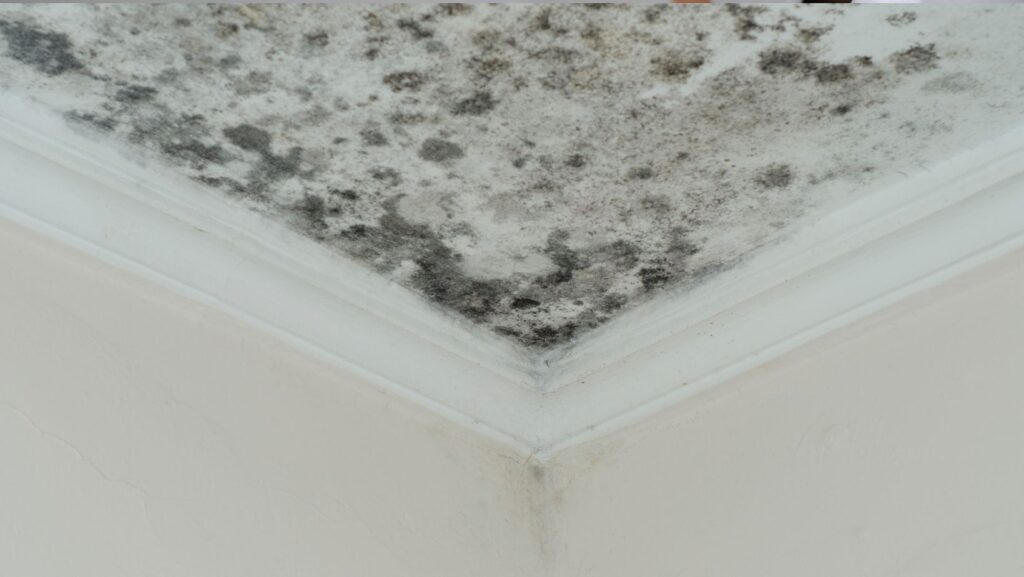
In the Pacific Northwest, where mold can spread rapidly through HVAC systems and wall cavities, a professional touch is often necessary to ensure the job is done right. If you discover a significant colony or suspect mold is growing where you can’t see it, contacting a reputable mold removal service in Portland, OR is the best way to protect your investment and your health. Professionals use specialized equipment like HEPA air scrubbers and moisture meters to ensure the environment is truly clean and dry.
Maintaining a Mold-Free Sanctuary
To keep your home in pristine condition year-round, focus on moisture control:
- Run exhaust fans: Use bathroom and kitchen fans for at least 20 minutes after showering or cooking.
- Monitor humidity: Keep indoor humidity levels between 30% and 50% using a dehumidifier during the rainiest months.
- Check the exterior: Ensure gutters are clear and downspouts direct water away from your foundation.
Living in a pristine home is about more than just aesthetics; it’s about creating a healthy environment where you can truly relax. By staying vigilant and addressing moisture issues promptly, you can keep the beauty of the Pacific Northwest outside where it belongs.