A roof is a significant investment, and with that investment comes the expectation of long-term protection and performance. Homeowners often focus on materials and contractor experience, but the warranty attached to a roofing project plays a vital role in determining peace of mind and future financial risk. A clear understanding of roofing warranties can help property owners distinguish between material guarantees, workmanship assurances, and manufacturer-backed terms. Knowing what coverage exists—and what doesn’t—can help prevent surprises years later. The warranty isn’t just a document; it’s a safety net that can protect homeowners from costly repairs or premature failures.
Types of Coverage That Affect Your Roofing Investment
Manufacturer Warranties vs. Workmanship Warranties
There are typically two categories of roofing warranties: manufacturer warranties and workmanship warranties. A manufacturer’s warranty covers defects in the roofing materials, ensuring they can be repaired or replaced if the shingles or components fail due to a production flaw. Depending on the product and company, these warranties can range from 10 years to a lifetime. However, they often come with fine print—coverage may be reduced over time, and some warranties are prorated.
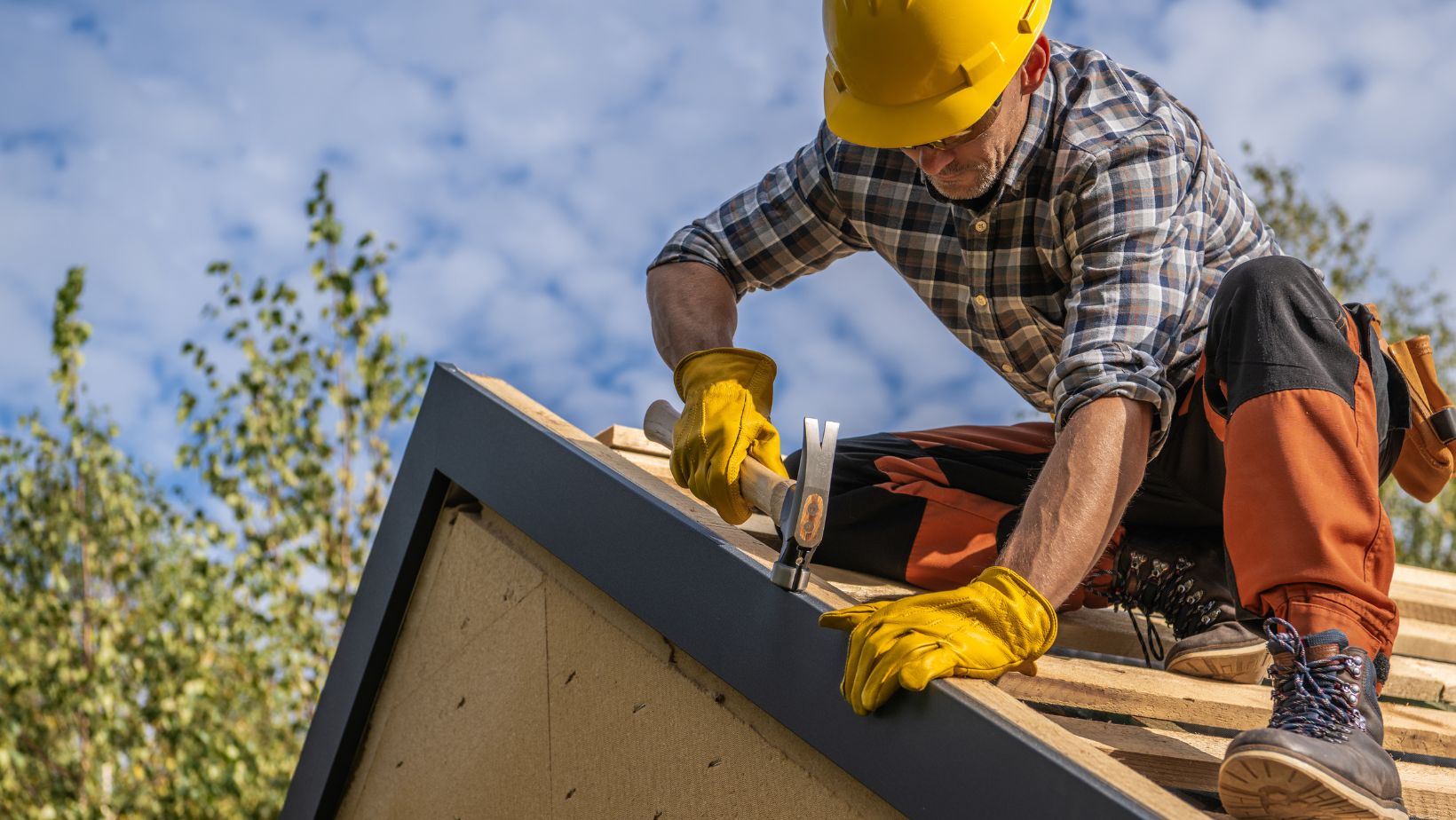
 On the other hand, a workmanship warranty is issued by the contractor and protects against errors made during the installation process. Even the best materials won’t perform well if improperly installed. Companies like Village Roofs stand by their craftsmanship with clearly defined workmanship coverage, giving homeowners added assurance. Both types of warranties are important, and understanding how they overlap and where they differ can make all the difference in resolving future issues.
What Voided a Roofing Warranty
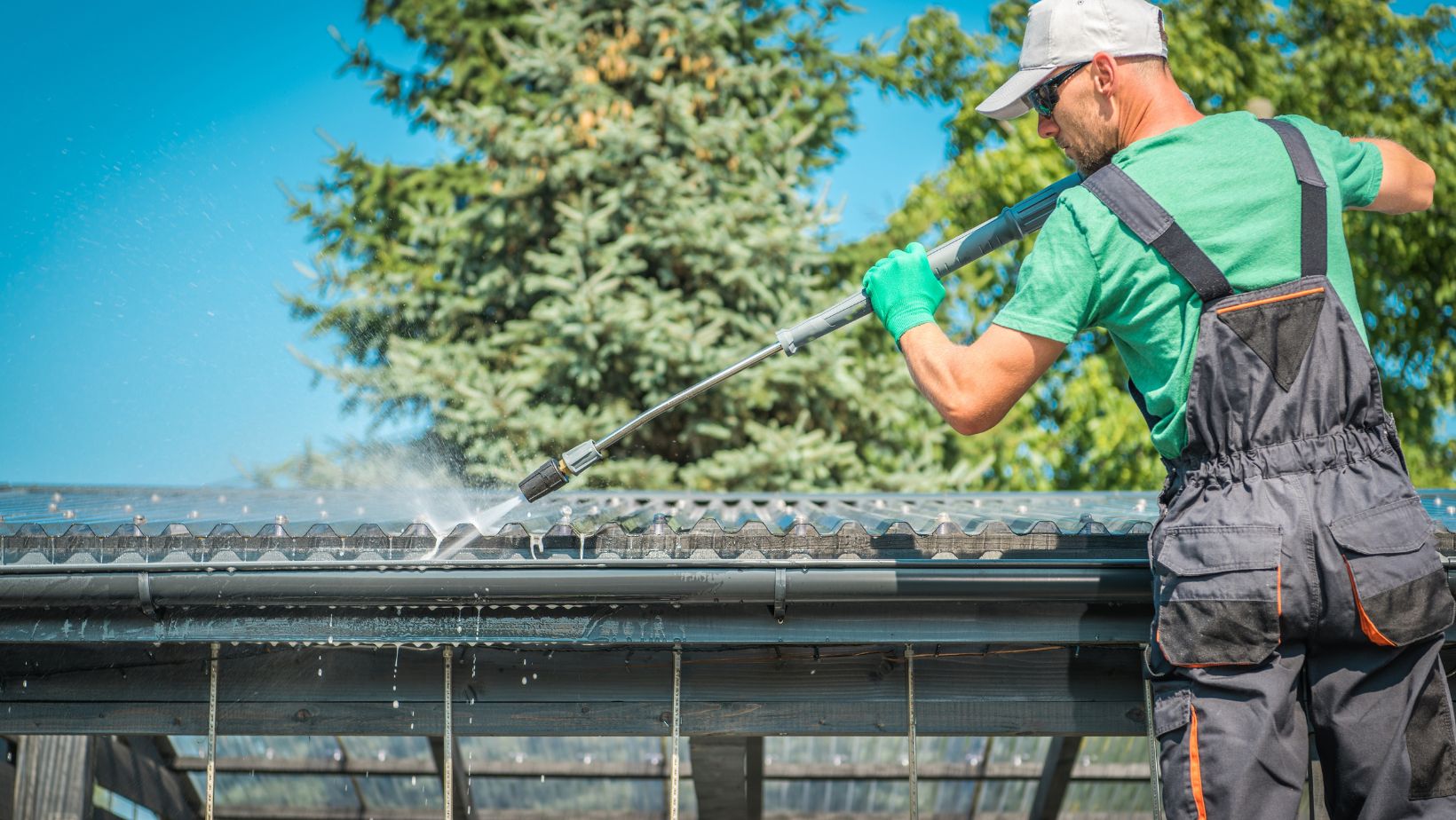
One of the most overlooked aspects of a warranty is what can cause it to become void. Many homeowners assume that once their roof is covered, they don’t have to worry about anything unless something breaks. However, warranties often include specific conditions that must be met for the coverage to remain valid. For example, improper attic ventilation, unauthorized repairs, neglecting regular maintenance, or using non-approved accessories can all void a warranty. Sometimes, even pressure washing the roof or walking on it frequently can be considered damaging. If the roof is transferred to a new homeowner, the warranty might be reduced in duration or voided entirely unless formally transferred through the manufacturer. These stipulations highlight the importance of reading warranty documents carefully and following all outlined maintenance and usage guidelines. Contractors should always explain these details during the final walkthrough, ensuring the homeowner can protect their investment long after completion.
Length and Limitations of Coverage
Not all warranties are created equal, and their length and limitations are two areas that often confuse homeowners. A “lifetime” warranty sounds like it lasts forever. Still, in the roofing industry, “lifetime” is frequently defined by a specific term—typically the expected life of the product under normal conditions, which might be 30 to 50 years. Some warranties are also tiered: they offer full coverage for a specific period (such as 10 years), after which the coverage becomes prorated. That means the manufacturer will only pay a portion of the repair or replacement costs based on how long the roof has been in place. Others may only cover materials but not labor, or vice versa. Understanding these distinctions is essential when comparing quotes or choosing between roofing systems. Homeowners should ask what is and is omitted, how long each warranty phase lasts, and whether additional options exist for extending full coverage with upgraded products or services.
The Importance of Proper Registration
Many roofing warranties require registration with the manufacturer shortly after the installation is completed. Registering the warranty in time can reduce or cancel its benefits altogether. This administrative step ensures that the manufacturer has a record of the roofing materials installed and who performed the work. It can also be a critical part of the transfer process if the home is sold. Some contractors handle registration on behalf of the homeowner, while others leave it to the property owner. Either way, confirming that the warranty has been successfully activated is essential.
 Keeping a copy of the warranty, proof of purchase, and documentation of the contractor’s credentials is highly recommended. These materials will be necessary if a claim ever needs to be filed. The effort to complete this step properly may seem minor, but it lays the foundation for receiving full benefits if something goes wrong with the roofing system years later.
Making a Claim Under Warranty
Filing a warranty claim is not as simple as calling a contractor and requesting repairs. Most manufacturers require homeowners to follow a formal process, which typically begins with a written complaint or service request. Photographic evidence, installation documents, and proof of product purchase are usually needed. Depending on the terms, an inspector may be sent to verify the issue before repairs are approved. Regarding workmanship warranties, homeowners may need to go directly through the contractor, emphasizing the value of hiring a reputable company willing to honor their commitment. Delays in reporting issues can complicate or invalidate a claim, so acting quickly is essential if a problem appears. Maintaining documentation and keeping records of service visits or roof inspections can support your claim and reduce friction during approval. Homeowners should familiarize themselves with these requirements long before any damage occurs to ensure they are prepared to act when necessary.
A Critical Part of Roofing Peace of Mind
A roofing warranty is more than a marketing term—it’s a structured agreement that helps protect homeowners from the financial burden of material failure or installation errors. Understanding the differences between workmanship and manufacturer warranties, the conditions that can void coverage, and how claims are processed allows homeowners to take full advantage of the protection they’re promised. Rather than seeing it as an afterthought, the warranty should be a key consideration when selecting materials and contractors. By knowing what to expect and what steps to follow, homeowners can make more intelligent choices and ensure their investment remains secure for years.