Improving a home’s energy efficiency isn’t just about windows and insulation—roof ventilation plays a significant role in maintaining indoor comfort and regulating energy use. Heat and moisture can build up without proper airflow in the attic and beneath the roofline, resulting in higher energy bills, premature wear on roofing materials, and uncomfortable indoor temperatures. Roofing contractors understand that strategic improvements to ventilation systems help stabilize attic conditions, extend the lifespan of shingles, and support overall HVAC performance. Whether the project involves a new roof or a retrofit, enhancing ventilation allows a home to breathe more effectively throughout the year.
How Do Ventilation Upgrades Improve Attic and Roof Function?
Assessing Current Ventilation Conditions
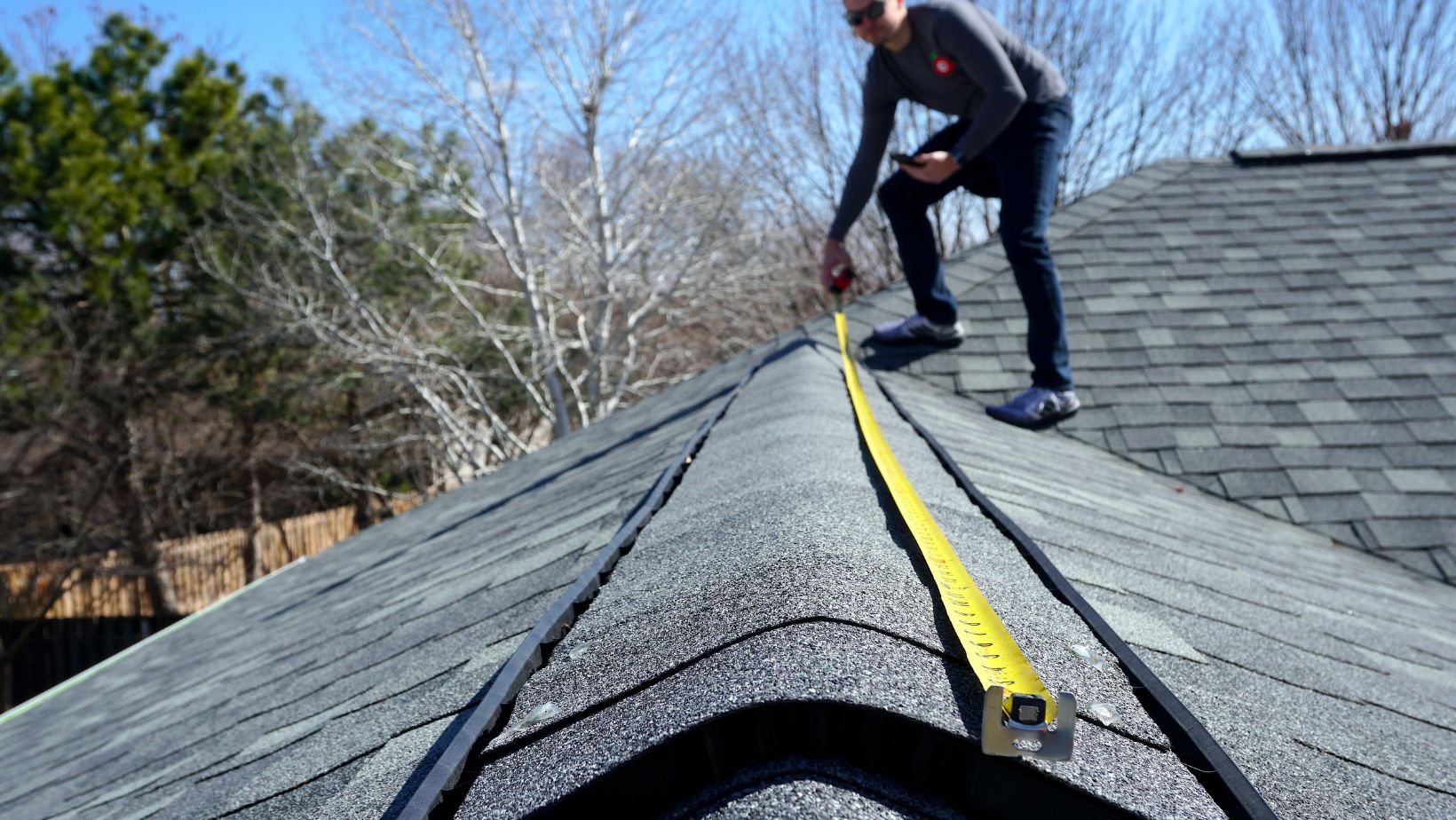
Before improving roof ventilation, roofers evaluate the current conditions of the attic space and existing vent systems. This includes checking for signs of poor airflow, such as excessive attic heat, mold, or warped sheathing. They measure the attic square footage and examine the placement and size of existing intake and exhaust vents.
 A well-balanced ventilation system ensures that cool air enters through soffit or eave vents while hot air exits through ridge or roof vents. If air is not circulating properly, it can trap heat during summer months and moisture during the winter, compromising roof integrity and raising energy costs. At this stage, roofers may inspect for blocked or painted-over vents, insulation obstructing airflow, or signs of damage from past ventilation failures. Evaluating these elements allows contractors to identify weak points and propose changes that align with building codes and energy efficiency goals.
Installing and Balancing Intake and Exhaust Vents
Once the assessment is complete, contractors focus on adjusting the intake and exhaust configuration to improve airflow. Intake vents, usually installed in the soffits, allow fresh, cooler air to enter the attic. Exhaust vents, such as ridge or box vents, give hot, humid air a path to escape. When these systems are correctly balanced, natural convection takes over—cool air enters low, hot air rises and exits high, creating a continuous flow. When intake is lacking, exhaust vents can’t function effectively. Likewise, too much exhaust without corresponding intake creates negative pressure, drawing conditioned air from living spaces into the attic. Roofers match the amount of intake and exhaust based on attic volume and slope to ensure airflow stays consistent across the entire space. Many modern homes benefit from ridge vent systems, which span the length of the roof peak, providing uniform ventilation with minimal visual disruption. Bohan Contracting frequently installs these systems as part of comprehensive roofing projects to help clients lower cooling costs and reduce attic heat buildup during warmer months.
Ventilation Options for Difficult Roof Designs
Not every home has a straightforward roofline or an ideal attic structure for traditional vent systems. Some homes have cathedral ceilings, multiple gables, or complex dormers, making ventilation more difficult. In such cases, roofers may turn to alternative solutions like powered attic fans, solar vents, or gable end vents to ensure sufficient airflow. Powered fans can assist with ventilation when natural convection is limited, although they must be carefully sized and positioned to prevent pulling conditioned air from the home. Solar-powered fans offer similar benefits without adding to electric bills. For homes with limited soffit area, low-profile intake vents or edge vents may be used to introduce air near the base of the roof. Contractors tailor their approach to the architecture of each home to overcome ventilation challenges without compromising weatherproofing or structural aesthetics. Even with complex rooflines, thoughtful integration of vent solutions allows airflow to move freely and continuously, improving energy efficiency.
Impact on Heating, Cooling, and Roofing Materials
Proper roof ventilation directly affects a home’s overall thermal performance. In the summer, attics can reach temperatures exceeding 140°F without adequate airflow. This heat radiates downward into the living space, forcing air conditioning systems to work harder. In the winter, warm air rising from below can cause snow on the roof to melt unevenly, leading to ice dams and trapped moisture.
 Improved ventilation regulates attic temperature and prevents moisture buildup, which protects wood structures, insulation, and roofing components from damage. It also helps HVAC systems operate more efficiently, since they no longer have to compensate for extreme attic heat or cold. Long-term, this reduces energy bills and lowers strain on equipment. Roofing materials, especially asphalt shingles, benefit from stable attic temperatures because they are less likely to warp, blister, or degrade prematurely. Proper ventilation allows homeowners to experience more comfortable interiors, better air quality, and fewer maintenance issues linked to trapped heat or dampness.
Roof Ventilation as a Long-Term Investment
Roof ventilation is one of the most important yet overlooked elements of home efficiency. Upgrading or improving vent systems offers long-term energy savings, better indoor climate control, and extended roof life. Through intake and exhaust strategies tailored to the home’s structure, contractors ensure that air flows naturally and consistently under the roof. These improvements may not be visible from the street, but their impact is felt daily inside the home. Proper ventilation should be a top priority, whether installing a new roof or retrofitting an older one. It’s a quiet investment that pays off in comfort, savings, and structural integrity year after year.